
Chronic Lower Back Pain: When Physiotherapy Isn’t Enough

Lower back pain is one of the most common problems affecting people of different ages. Long working hours, prolonged sitting, poor posture, lack of exercise, injuries, and age-related changes in the spine can all contribute to persistent discomfort. While physiotherapy, exercise, posture correction, and medication can provide significant relief for many patients, some people continue to experience pain despite following conservative treatment. When lower back pain becomes chronic or progressively interferes with daily activities, it may be time to look beyond physiotherapy and seek a detailed evaluation from a spine specialist. Identifying the underlying cause is an important step toward choosing the right Back Pain Treatment in Chennai. Understanding Chronic Lower Back Pain Lower back pain is generally considered chronic when it persists for three months or longer. It may be constant or occur intermittently and can range from mild discomfort to severe pain that affects walking, sitting, sleeping, or working. Several spinal conditions can contribute to chronic lower back pain, including: Herniated or bulging discs Degenerative disc disease Spinal stenosis Nerve compression Arthritis of the spine Spinal instability Previous spinal injuries Vertebral fractures Some patients may also experience sciatica, where pain, tingling, numbness, or weakness travels from the lower back into the buttocks and legs. Proper diagnosis is essential because treatment depends on the specific cause of the symptoms. When Is Physiotherapy Not Enough? Physiotherapy is an important part of managing many types of back pain. A structured program can help strengthen core and back muscles, improve flexibility, correct posture, and restore movement. However, physiotherapy may not provide sufficient relief when there is an underlying structural or neurological problem. You should consider consulting a spine specialist if: Pain continues despite several weeks of appropriate treatment. Pain is becoming progressively worse. Pain radiates into the buttocks or legs. You experience numbness, tingling, or weakness. Back pain regularly interrupts sleep. You have difficulty walking or performing everyday activities. Pain returns repeatedly after temporary improvement. Persistent symptoms may indicate nerve compression, disc problems, spinal narrowing, or another condition requiring medical evaluation. Chennai Spine Care also recommends specialist assessment when persistent back pain does not improve with conservative care. Why Finding the Root Cause Matters Simply treating pain without understanding its source may provide only temporary relief. A spine specialist evaluates your medical history, symptoms, physical condition, and neurological function to determine what may be causing the pain. Depending on your symptoms, diagnostic investigations such as X-rays, CT scans, or MRI may be recommended. MRI can be particularly useful for evaluating discs, nerves, and other soft tissues of the spine. A correct diagnosis helps doctors determine whether continued conservative treatment is appropriate or whether another intervention should be considered. Advanced Back Pain Treatment in Chennai When physiotherapy alone is insufficient, it does not automatically mean that surgery is necessary. Treatment should be personalized according to the patient’s condition, severity of symptoms, and response to previous therapies. Depending on the diagnosis, treatment may include: Medication and Pain Management Appropriate medications may be recommended to control pain and inflammation. In selected cases, targeted spinal injections may also help reduce inflammation around irritated nerves and improve mobility. Lifestyle and Ergonomic Changes Improving posture, maintaining a healthy weight, avoiding prolonged sitting, using an ergonomic workstation, and performing appropriate strengthening exercises can support long-term spine health. Minimally Invasive Procedures For selected patients with conditions such as nerve compression or disc-related problems, minimally invasive spine procedures may be considered. These techniques aim to address the underlying structural problem while limiting tissue disruption. Chennai Spine Care provides minimally invasive spine surgery when clinically appropriate after careful evaluation. Surgery When Clinically Necessary Surgery is generally considered only when appropriate non-surgical treatments have failed or when a structural or neurological problem requires surgical correction. For example, persistent nerve compression caused by a herniated disc may sometimes require procedures such as microdiscectomy. The goal is not simply to eliminate pain but to address the underlying cause and help restore function and quality of life. Choosing the Right Spine Specialist in Chennai If you are searching for the Best Back Pain Treatment Doctors in Chennai, look for a specialist who focuses on accurate diagnosis, personalized treatment, and evidence-based care. Dr. Vignesh Pushparaj at Chennai Spine Care has more than 15 years of experience in spine care and treats a wide range of spinal conditions using both non-surgical and surgical approaches. His training includes AOSpine fellowship experience and advanced training in complex spine surgery and chronic pain management. Patients searching online for the best spinal cord specialist should understand that treatment should focus on the actual source of pain rather than simply choosing a doctor based on a keyword or title. A qualified spine specialist can assess whether the spinal cord, spinal nerves, discs, joints, or surrounding structures are contributing to the symptoms. Don’t Ignore Persistent Lower Back Pain Chronic lower back pain should not always be accepted as a normal part of aging or daily life. If physiotherapy has not provided lasting relief, a comprehensive spine evaluation can help identify the reason for persistent symptoms. With timely diagnosis and an individualized treatment plan, many patients can manage their condition effectively and regain mobility. Whether you need continued rehabilitation, pain management, or an advanced spine procedure, the appropriate treatment depends on your specific diagnosis. If you are experiencing persistent lower back pain in Chennai, consider consulting a qualified spine specialist at Chennai Spine Care for a professional evaluation and personalized Back Pain Treatment plan. Conclusion: Chronic lower back pain that does not improve with physiotherapy deserves proper medical evaluation. The right diagnosis can help determine whether continued conservative care, pain management, or an advanced spine treatment is appropriate. For patients seeking specialized spine care in Chennai, Chennai Spine Care provides personalized evaluation and treatment options based on the underlying condition. Frequently Asked Questions 1. How long should I try physiotherapy for chronic lower back pain? The duration varies depending on the cause and severity of pain. If symptoms do not improve despite an appropriate
Understanding Compression Fractures in Older Adults
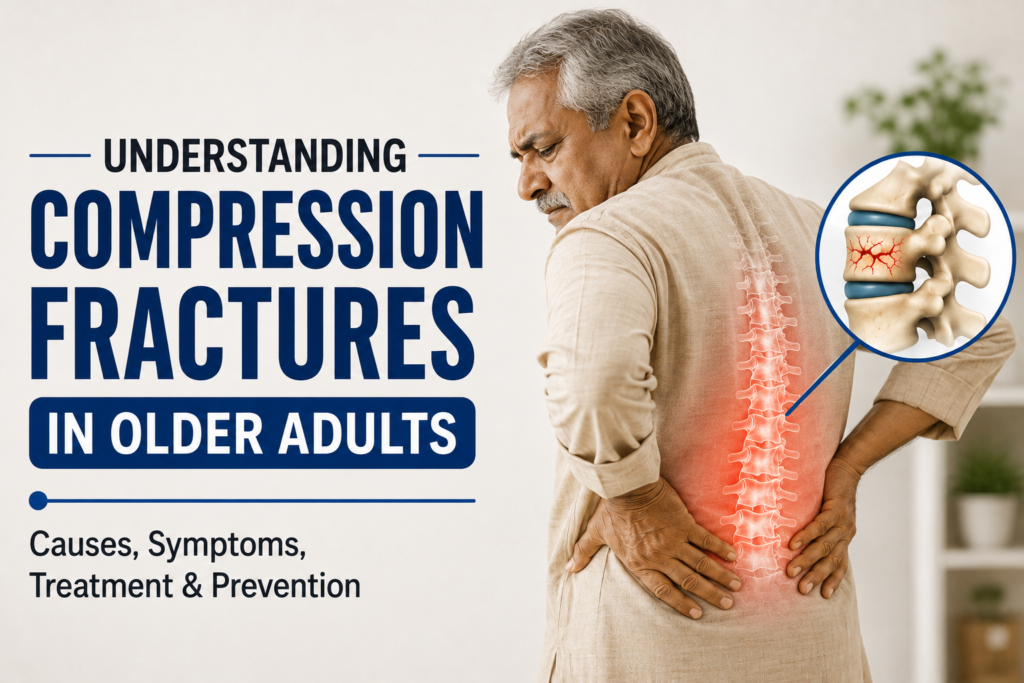
Compression fractures are a common spinal problem among older adults, particularly those with osteoporosis or reduced bone density. These fractures occur when one or more vertebrae in the spine become weakened and collapse under pressure. Although a compression fracture may sometimes result from a fall or accident, it can also occur during everyday activities such as bending, lifting, or twisting when the bones are significantly weakened. Early diagnosis and appropriate treatment can help reduce pain, prevent further spinal problems, and support better mobility. If you or a loved one has persistent back pain after a fall or sudden movement, consulting a qualified spine fracture treatment doctor in Chennai can help identify the underlying cause. What Is a Spinal Compression Fracture? The spine consists of a series of small bones called vertebrae that provide support and protect the spinal cord. A compression fracture happens when the front portion of a vertebra collapses, causing the vertebra to become shorter. Compression fractures most commonly affect the middle and lower sections of the spine. They can occur as a result of: Osteoporosis and weakened bones Falls or other injuries Road or workplace accidents Certain spinal conditions Bone tumours or other diseases affecting bone strength In older adults, osteoporosis is one of the major risk factors. Because weakened bones may fracture with relatively little force, some compression fractures can occur without a major injury. What Causes Compression Fractures in Older Adults? As people age, bone density can gradually decrease. Osteoporosis makes bones thinner and more fragile, increasing the risk of fractures. The vertebrae can become particularly vulnerable because they constantly support the body’s weight. A minor fall or sudden movement may therefore cause a fracture in someone with severely weakened bones. In some cases, a person may develop a compression fracture without remembering any specific injury. Other risk factors can include a previous history of fractures, low bone density, prolonged use of certain medications, reduced physical activity, and conditions that affect bone health. Recognising the Symptoms The symptoms of a compression fracture can vary depending on its severity and location. Common symptoms include: Sudden or gradually increasing back pain Pain that becomes worse while standing or walking Difficulty bending or twisting Reduced mobility Tenderness around the affected area Changes in posture Loss of height over time Multiple compression fractures may contribute to a forward-curved posture known as kyphosis. This can affect balance and mobility and may make everyday activities increasingly difficult. If back pain suddenly develops after a fall or even a minor movement, older adults should not ignore it. A medical assessment can help determine whether a fracture has occurred. How Are Compression Fractures Diagnosed? A doctor will usually begin with a detailed medical history and physical examination. They may ask about the onset of pain, previous injuries, osteoporosis, medications, and other health factors. Imaging tests can help confirm a diagnosis. Depending on the symptoms, a doctor may recommend: X-rays: Useful for identifying changes in the shape or height of vertebrae. MRI scans: Can help identify recent fractures, nerve compression, and soft-tissue problems. CT scans: Provide detailed images of the bones and can be useful when more information is required. A bone density test may also be recommended when osteoporosis is suspected. Identifying low bone density is important because treating the underlying bone weakness can help reduce the risk of future fractures. Spine Fracture Treatment Options The appropriate spine fracture treatment depends on the severity of the fracture, the patient’s overall health, bone strength, and whether nerves or the spinal cord are affected. Conservative Treatment Many stable compression fractures can initially be treated without surgery. Treatment may include prescribed pain medication, temporary activity modification, physiotherapy, and exercises designed to improve strength and mobility. Doctors may also recommend treatment for osteoporosis to improve bone strength and reduce the risk of additional fractures. Bracing In selected cases, a spinal brace may be recommended to provide support while the fracture heals. A brace can help limit painful movements and improve comfort during recovery. However, it should only be used under medical guidance. Minimally Invasive Procedures When severe pain continues despite conservative treatment, selected patients may benefit from minimally invasive procedures such as vertebral augmentation. These procedures aim to stabilise the affected vertebra and reduce pain in appropriately selected cases. The suitability of any procedure depends on an individual’s diagnosis and imaging findings. Surgery Surgery may be considered when a fracture is unstable, causes significant spinal deformity, compresses nerves or the spinal cord, or does not respond to appropriate non-surgical treatment. An experienced orthopedic spine specialist can evaluate the condition and recommend the safest treatment based on the patient’s individual needs. Why Early Treatment Matters Ignoring a compression fracture can sometimes lead to continuing pain, spinal deformity, reduced mobility, and an increased risk of additional fractures. Older adults may also become less active because of pain, which can contribute to muscle weakness and reduced independence. Early assessment allows doctors to identify the fracture, evaluate bone health, and create an appropriate treatment plan. Managing osteoporosis is particularly important because treating the fracture alone does not address the underlying weakness of the bones. Choosing a Spine Fracture Treatment Doctor in Chennai When searching for a spine fracture treatment doctor in Chennai, consider a specialist with experience in diagnosing and treating spinal fractures, osteoporosis-related conditions, and other complex spine problems. Chennai Spine Care focuses on comprehensive spine evaluation and personalised treatment for a range of spinal conditions. The treatment approach can include conservative management, pain management, rehabilitation, and surgical options when medically necessary. A specialist assessment can help determine whether your symptoms are caused by a compression fracture and whether further investigation or treatment is required. Preventing Future Compression Fractures Although not every spinal fracture can be prevented, several measures can reduce the risk: Maintain adequate calcium and vitamin D intake as advised by a healthcare professional. Follow an appropriate weight-bearing exercise program. Have bone density assessed when recommended. Take prescribed osteoporosis medication consistently. Reduce fall hazards around the home.
Can Endoscopic Spine Surgery Treat Multiple Disc Problems at Once?
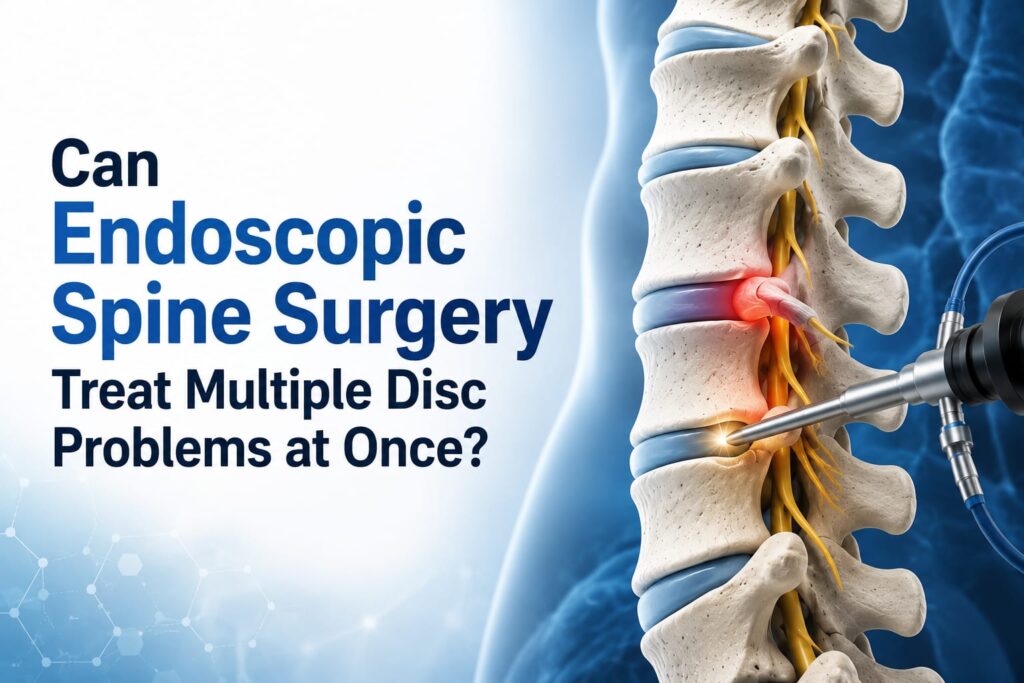
Spinal disc problems are among the most common causes of chronic back pain, neck pain, sciatica, and reduced mobility. While some patients experience issues at a single spinal level, others may develop disc problems in multiple areas of the spine. This often raises an important question: Can Endoscopic Spine Surgery treat multiple disc problems at once? Advancements in spinal technology have made it possible to address certain complex spinal conditions with greater precision and minimal tissue disruption. For eligible patients, Endoscopic Spine Surgery may offer an effective solution for treating multiple affected discs while reducing recovery time and surgical trauma. At Chennai Spine Care, we specialize in advanced minimally invasive spinal procedures designed to help patients return to their daily activities with less pain and faster recovery. Understanding Multiple Disc Problems The spine consists of vertebrae separated by intervertebral discs that act as shock absorbers and provide flexibility. Over time, discs can become damaged due to: Age-related degeneration Repetitive strain Poor posture Heavy lifting Sports injuries Trauma Genetic factors Some patients may develop problems at more than one spinal level, including: Multiple herniated discs Degenerative disc disease Spinal stenosis affecting several segments Nerve compression at different levels Recurrent disc prolapse When multiple discs are involved, symptoms can become more severe and may affect daily activities significantly. What Is Endoscopic Spine Surgery? Endoscopic Spine Surgery is a modern minimally invasive surgical technique that uses a specialized endoscope equipped with a high-definition camera and surgical instruments. The procedure is performed through a very small incision, allowing surgeons to visualize and treat spinal conditions without extensive muscle or tissue disruption. Compared to traditional open spine surgery, endoscopic techniques offer several advantages: Smaller incisions Less blood loss Reduced muscle damage Lower risk of infection Faster recovery Shorter hospital stays Minimal post-operative pain Can Multiple Disc Problems Be Treated During One Procedure? The answer depends on several factors, including the location, severity, and nature of the disc problems. In many cases, Endoscopic Spine Surgery can successfully address multiple disc issues during a single operation, particularly when: 1. Multiple Herniated Discs Are Located Close Together If two or more herniated discs are present within the same region of the spine, an endoscopic approach may allow the surgeon to access and treat the affected areas through minimal incisions. 2. Nerve Compression Occurs at Multiple Levels Patients suffering from nerve compression at several spinal levels may benefit from endoscopic decompression procedures that relieve pressure on affected nerves. 3. Lumbar Disc Problems Affect Multiple Segments Certain lumbar spine conditions involving adjacent discs can often be treated during one surgical session, depending on the complexity of the case. When Multiple Procedures May Not Be Suitable Although modern endoscopic techniques are highly versatile, not every patient is a candidate for treating all spinal issues in a single procedure. Factors that influence treatment decisions include: Number of affected spinal levels Severity of degeneration Presence of spinal instability Previous spinal surgeries Overall patient health Complexity of nerve compression A thorough evaluation by the best spinal cord doctor is essential to determine the safest and most effective treatment strategy. Conditions Commonly Treated with Endoscopic Spine Surgery Herniated Disc A slipped or prolapsed disc can compress nearby nerves and cause severe pain. Symptoms may include: Lower back pain Leg pain (sciatica) Numbness Tingling sensations Muscle weakness Spinal Stenosis Spinal stenosis occurs when the spinal canal narrows and places pressure on nerves. Endoscopic decompression can help relieve symptoms while preserving surrounding tissues. Degenerative Disc Disease Disc degeneration can result in chronic pain and reduced mobility. Certain cases can be effectively managed using minimally invasive endoscopic techniques. Recurrent Disc Herniation Patients experiencing repeated disc problems after previous treatment may be candidates for endoscopic revision procedures. Benefits of Treating Multiple Disc Problems in One Surgery When medically appropriate, addressing multiple spinal issues during a single procedure can offer several advantages. Reduced Overall Recovery Time Patients undergo one recovery period instead of multiple surgical recoveries. Fewer Hospital Visits A single operation may reduce the need for additional hospital admissions and procedures. Lower Overall Surgical Stress Combining treatments may help minimize repeated exposure to anesthesia and surgical intervention. Faster Return to Daily Activities Many patients can resume normal activities sooner compared to undergoing multiple separate surgeries. The Importance of Accurate Diagnosis Successful outcomes depend on identifying the exact source of symptoms. Before recommending surgery, spine specialists typically perform: Clinical Evaluation A detailed assessment of symptoms and physical function. Advanced Imaging Diagnostic tests may include: MRI scans CT scans Digital X-rays Nerve Assessments In some cases, additional testing helps determine the extent of nerve involvement. A precise diagnosis ensures that only the discs responsible for symptoms are targeted during treatment. Recovery After Endoscopic Spine Surgery One of the major advantages of Endoscopic Spine Surgery is the potential for faster recovery compared to traditional open procedures. Recovery benefits may include: Reduced post-operative discomfort Early mobilization Smaller scars Shorter hospital stays Faster return to work and daily activities Recovery timelines vary depending on the number of spinal levels treated and the patient’s overall health. Why Choose Chennai Spine Care for Advanced Spine Treatment? At Chennai Spine Care, we are committed to delivering advanced, patient-focused spinal care using the latest minimally invasive techniques. Our approach emphasizes: Accurate diagnosis Personalized treatment plans Advanced endoscopic procedures Comprehensive rehabilitation Long-term spinal health Patients seeking expert spine treatment benefit from modern technologies and evidence-based care designed to achieve optimal outcomes. When Should You Consult a Spine Specialist? You should seek professional evaluation if you experience: Persistent back pain Neck pain lasting several weeks Sciatica Numbness or tingling Difficulty walking Muscle weakness Pain that affects daily activities Consulting the best spinal cord doctor early can help prevent further complications and improve treatment success. Conclusion For many patients, Endoscopic Spine Surgery offers an effective and minimally invasive solution for treating multiple disc problems in a single procedure. While not every case is suitable for combined treatment, modern endoscopic techniques can successfully address multiple levels of nerve compression and disc
How Vitamin D Deficiency Affects Your Spine and Recovery After Surgery

Vitamin D plays a crucial role in maintaining healthy bones, muscles, and nerves. Despite living in a sunny country like India, Vitamin D deficiency remains surprisingly common and can have a significant impact on spinal health. Many people experiencing chronic back pain, neck pain, or delayed recovery after surgery may not realize that low Vitamin D levels could be contributing to their symptoms. At Chennaispinecare, we frequently evaluate nutritional and lifestyle factors that may affect spinal health and recovery outcomes. Understanding the relationship between Vitamin D and the spine can help patients take proactive steps toward better health and faster healing. What Is Vitamin D and Why Is It Important? Vitamin D is an essential nutrient that helps the body absorb calcium and phosphorus, both of which are necessary for strong bones and healthy joints. Vitamin D also supports: Bone formation and maintenance Muscle strength and function Nerve health Immune system function Post-surgical healing When Vitamin D levels are low, the body may struggle to maintain healthy bones, increasing the risk of spinal problems and delayed recovery after surgical procedures. How Vitamin D Deficiency Affects Your Spine The spine is a complex structure made up of bones, discs, muscles, ligaments, and nerves. Vitamin D deficiency can negatively affect several components of spinal health. 1. Weakening of the Vertebrae The vertebrae are the bones that make up the spinal column. Without adequate Vitamin D, calcium absorption decreases, leading to reduced bone density. This may increase the risk of: Osteopenia Osteoporosis Vertebral compression fractures Chronic back pain Weak spinal bones are more vulnerable to injury and degeneration over time. 2. Increased Risk of Degenerative Spine Conditions Low Vitamin D levels have been linked to accelerated bone and joint degeneration. Patients with Vitamin D deficiency may experience: Chronic lower back pain Neck pain Disc degeneration Reduced spinal stability These conditions often require comprehensive spine treatment to relieve symptoms and improve mobility. 3. Muscle Weakness and Poor Posture Vitamin D is essential for proper muscle function. Deficiency may lead to: Muscle weakness Fatigue Poor posture Increased risk of falls Weak supporting muscles place additional stress on the spine, potentially worsening existing spinal conditions. 4. Chronic Pain and Inflammation Research suggests that Vitamin D deficiency may contribute to chronic musculoskeletal pain and increased inflammation. Many patients with persistent back pain report symptom improvement after correcting Vitamin D levels under medical supervision. The Impact of Vitamin D Deficiency on Recovery After Spine Surgery Recovery after spinal surgery requires proper bone healing, tissue repair, and muscle recovery. Vitamin D plays a vital role in each of these processes. Delayed Bone Healing Patients undergoing spinal fusion procedures rely on healthy bone growth for successful outcomes. Low Vitamin D levels may: Slow bone formation Delay spinal fusion Increase recovery time Affect long-term surgical success Increased Risk of Post-Surgical Complications Vitamin D supports immune function and tissue healing. Deficiency may contribute to: Slower wound healing Increased inflammation Reduced rehabilitation progress Longer recovery periods Reduced Functional Recovery Patients recovering from surgery often participate in physiotherapy and rehabilitation programmes. Adequate Vitamin D helps improve: Muscle strength Balance Mobility Overall recovery outcomes Signs of Vitamin D Deficiency Many people are unaware they have low Vitamin D levels because symptoms can be subtle. Common signs include: Persistent back pain Muscle weakness Bone pain Fatigue Frequent illness Slow recovery from injuries Difficulty walking or exercising If you experience these symptoms, your doctor may recommend blood tests to assess your Vitamin D levels. Who Is at Higher Risk of Vitamin D Deficiency? Certain individuals are more likely to develop Vitamin D deficiency, including: Office workers with limited sun exposure Older adults People with darker skin tones Individuals with obesity Patients with digestive disorders People recovering from major surgery Even in a sunny city like Chennai, many people spend most of their day indoors, increasing the risk of deficiency. How to Improve Vitamin D Levels Safe Sun Exposure Regular exposure to sunlight can help the body naturally produce Vitamin D. Vitamin D-Rich Foods Include foods such as: Fatty fish Egg yolks Fortified dairy products Mushrooms Fortified cereals Supplements If deficiency is confirmed through testing, your doctor may recommend Vitamin D supplements to restore healthy levels. Always consult a healthcare professional before starting supplementation. Advanced Spine Treatment Options for Patients with Chronic Back Pain When spinal conditions progress despite conservative care, advanced treatment options may be recommended. At Chennai Spine Care, patients receive comprehensive evaluation and personalized treatment plans designed to address the underlying cause of spinal pain. Treatment options may include: Physical therapy Pain management procedures Lifestyle modifications Minimally invasive spine procedures Surgical intervention when necessary Benefits of Minimally Invasive Spine Surgery Modern spinal care has evolved significantly, allowing many patients to benefit from advanced minimally invasive techniques. Patients seeking the best minimally invasive spine surgery often experience: Smaller incisions Less tissue damage Reduced blood loss Shorter hospital stays Faster recovery Lower risk of complications These procedures are increasingly becoming the preferred choice for suitable candidates with various spinal disorders. Why Choosing the Right Spine Specialist Matters Spinal conditions require expert evaluation and treatment. Consulting the best spinal cord doctor can help ensure: Accurate diagnosis Personalized treatment plans Access to advanced surgical techniques Better long-term outcomes Improved quality of life Early intervention often helps prevent minor spinal problems from progressing into more serious conditions. Conclusion Vitamin D deficiency can have a significant impact on spinal health, contributing to weakened bones, chronic back pain, muscle weakness, and delayed recovery after surgery. Maintaining healthy Vitamin D levels is an important part of protecting your spine and supporting successful healing following treatment. At Chennai Spine Care, we believe that comprehensive spinal care goes beyond surgery alone. Proper nutrition, accurate diagnosis, and individualized spine treatment plans play a crucial role in helping patients achieve lasting relief and improved mobility. If you are experiencing persistent back pain or preparing for spinal surgery, consulting the best spinal cord doctor can help you understand all factors affecting your spinal health and recovery. Frequently
Endoscopic Spine Surgery for Chronic Pain: Benefits and Recovery

Chronic back pain and persistent Neck Pain can interfere with everyday life, making even simple activities difficult. When medications, physical therapy, and injections do not provide lasting relief, Endoscopic Spine Surgery offers a highly effective and minimally invasive solution. At Chennai Spine Care, our expert spine treatment doctors and spine surgery specialists use advanced endoscopic spine surgery techniques to treat chronic pain with smaller incisions, faster recovery, and minimal disruption to surrounding tissues. What Is Endoscopic Spine Surgery? Endoscopic spine surgery is a modern minimally invasive procedure in which a thin tube with a camera (endoscope) is inserted through a very small incision. This allows the surgeon to clearly visualize and treat the affected spinal structures without extensive muscle dissection. The procedure is commonly used to treat: Herniated discs Sciatica Spinal stenosis Degenerative disc disease Nerve compression Chronic neck pain and back pain Compared with traditional open surgery, endoscopic spine surgery causes less tissue damage and enables faster healing. When Is Endoscopic Spine Surgery Recommended? A spine treatment doctor may recommend this procedure if you have: Chronic back pain lasting more than 6–12 weeks Persistent neck pain radiating to the arms Sciatica or leg pain Numbness or weakness in the arms or legs Poor response to conservative treatments Patients with disc prolapse or spinal stenosis often benefit significantly from this minimally invasive technique. Conditions Treated with Endoscopic Spine Surgery Herniated Disc A bulging or ruptured disc can compress nearby nerves, causing severe pain and numbness. Sciatica Compression of the sciatic nerve leads to pain radiating from the lower back into the leg. Spinal Stenosis Narrowing of the spinal canal can cause nerve pressure and difficulty walking. Cervical Disc Problems Disc issues in the neck can cause chronic neck pain, arm pain, and tingling. Degenerative Disc Disease Age-related changes can result in persistent spinal pain and reduced mobility. Key Benefits of Endoscopic Spine Surgery 1. Tiny Incisions Incisions are typically less than 1 cm, resulting in minimal scarring. 2. Less Muscle Damage The surgeon works through natural tissue planes, preserving surrounding muscles and ligaments. 3. Reduced Blood Loss The procedure causes significantly less bleeding than conventional surgery. 4. Faster Recovery Most patients resume normal activities much sooner. 5. Less Postoperative Pain Because tissues are minimally disturbed, postoperative discomfort is reduced. 6. Short Hospital Stay Many procedures are performed as day-care or overnight surgeries. 7. Lower Risk of Infection Smaller incisions and shorter hospitalization reduce infection risk. What Happens During the Procedure? The surgery is usually performed under local or general anesthesia. The surgeon: Makes a small incision. Inserts the endoscope. Identifies the compressed nerve or damaged disc. Removes the offending tissue. Closes the incision with minimal suturing. The procedure generally takes 30 minutes to 2 hours, depending on complexity. Recovery After Endoscopic Spine Surgery Recovery is one of the biggest advantages of endoscopic spine surgery. Immediately After Surgery Walking is often possible within a few hours. Most patients go home the same day or the next day. First Few Weeks Mild soreness gradually improves. Light activities can usually be resumed within days. Return to Work Desk jobs: 1–2 weeks Physically demanding jobs: 4–6 weeks or as advised Rehabilitation A customized physiotherapy program helps strengthen the spine and prevent recurrence. Tips for a Smooth Recovery Follow your surgeon’s instructions carefully Avoid heavy lifting Maintain proper posture Perform prescribed exercises Attend scheduled follow-up visits Who Is a Good Candidate? You may be a suitable candidate if you: Have a clearly diagnosed spinal condition Have persistent pain despite conservative treatment Are medically fit for surgery Want a minimally invasive alternative A detailed consultation with a spine treatment doctor is essential to determine the best approach. Why Choose Chennai Spine Care? Chennai Spine Care provides advanced care for chronic spinal pain using the latest minimally invasive techniques. Why Patients Trust Us Experienced spine surgery specialists Expertise in endoscopic spine surgery Personalized treatment plans Modern diagnostic and surgical technology Comprehensive rehabilitation support Our goal is to help patients achieve long-term pain relief and return to an active lifestyle. When to Consult a Spine Treatment Doctor Seek medical attention if you experience: Persistent back pain or neck pain Pain radiating to the arms or legs Numbness or tingling Weakness in the limbs Difficulty walking or performing daily activities Early treatment can prevent worsening symptoms and reduce the need for more extensive procedures. Conclusion Endoscopic spine surgery is a highly effective, minimally invasive option for treating chronic back pain and neck pain caused by disc and nerve-related conditions. With smaller incisions, less pain, and faster recovery, it offers excellent outcomes for appropriately selected patients. If chronic spinal pain is affecting your quality of life, consult the specialists at Chennai Spine Care to learn whether endoscopic spine surgery is right for you. Frequently Asked Questions 1. What is endoscopic spine surgery? Endoscopic spine surgery is a minimally invasive procedure that uses a tiny camera and instruments inserted through a small incision to treat spinal problems. 2. Is endoscopic spine surgery safe? Yes. When performed by experienced spine surgery specialists, it is considered a safe and effective treatment with a lower risk of complications compared with traditional surgery. 3. How long does recovery take after endoscopic spine surgery? Many patients return to light activities within a few days and resume work within 1–6 weeks, depending on the type of job and procedure. 4. Can endoscopic spine surgery help with chronic neck pain? Yes. It can effectively treat cervical disc herniation and nerve compression that cause chronic neck pain and arm symptoms. 5. When should I consult a spine treatment doctor for chronic pain? You should seek evaluation if pain persists for several weeks, radiates to the limbs, or is associated with numbness, tingling, or weakness.
How Osteoporosis Silently Weakens Your Spine: A Guide for Women Over 50 in Chennai
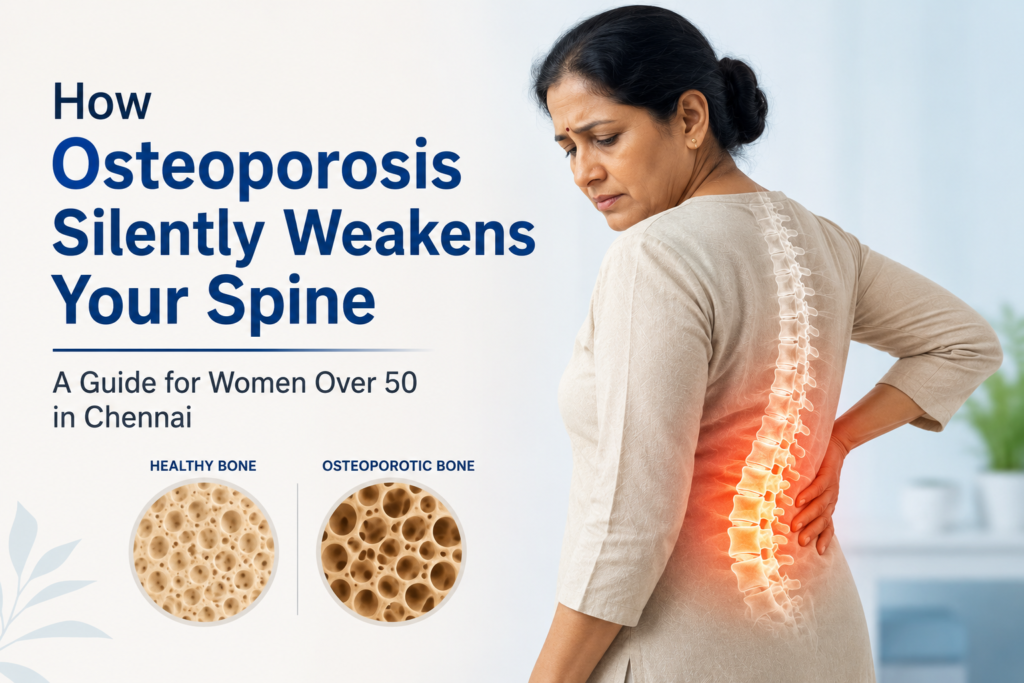
As women cross the age of 50, their bodies undergo several changes, especially after menopause. One of the most overlooked yet serious conditions is osteoporosis—a disease that gradually weakens the bones and increases the risk of fractures. The spine is one of the most commonly affected areas, and in many cases, women do not realize they have osteoporosis until they experience severe back pain or a sudden spinal fracture. At Chennai Spine Care, our experienced Chennai Spine Care team, including leading osteoporosis spine surgeons and spine surgery specialists, provides advanced diagnosis and treatment for osteoporosis-related spine conditions. What Is Osteoporosis? Osteoporosis is a condition in which bones become porous, brittle, and weak due to reduced bone density. It is especially common among women after menopause because estrogen levels decline, leading to faster bone loss. The disease is often called a “silent disease” because there are usually no symptoms until a fracture occurs. Why Women Over 50 Are More Vulnerable Women over 50 are at significantly higher risk of osteoporosis because of: Menopause and hormonal changes Calcium and vitamin D deficiency Lack of physical activity Family history of osteoporosis Smoking or excessive alcohol intake Long-term steroid use Thyroid disorders In cities like Chennai, many women also spend limited time in direct sunlight, increasing the risk of vitamin D deficiency. How Osteoporosis Affects the Spine The spine consists of small bones called vertebrae. When osteoporosis weakens these bones, they can compress or collapse even during normal daily activities such as bending, coughing, or lifting a light object. Common Spine Problems Caused by Osteoporosis Vertebral compression fractures Chronic back pain Loss of height Rounded upper back (kyphosis) Reduced mobility Nerve compression in severe cases These fractures may happen silently and worsen over time if left untreated. Early Warning Signs to Watch For Osteoporosis often develops without noticeable symptoms, but signs may include: Persistent mid-back or lower back pain Height loss over time Stooped posture Fractures after minor falls Difficulty standing or walking for long periods If you notice these symptoms, consult a spine treatment doctor as soon as possible. Diagnosis of Osteoporosis and Spine Fractures At Chennai Spine Care, diagnosis may include: Bone Mineral Density (BMD) test or DEXA Scan Digital X-rays MRI CT Scan Blood tests for calcium and vitamin D Early diagnosis helps prevent severe fractures and long-term complications. Non-Surgical Osteoporosis Spine Treatment Most osteoporosis-related spine problems can be treated without surgery. Medications Calcium and vitamin D supplements Bisphosphonates Bone-strengthening injections Lifestyle Changes Weight-bearing exercises Sun exposure for vitamin D Nutrient-rich diet Fall prevention strategies Pain Management Bracing Physical therapy Guided pain-relief injections When Spine Surgery May Be Needed In some cases, surgery becomes necessary when there is: Severe vertebral collapse Persistent pain despite treatment Nerve compression Spinal instability Our spine surgery specialists offer advanced minimally invasive procedures. Common Procedures Kyphoplasty Vertebroplasty Spinal decompression Instrumented spinal stabilization These procedures can reduce pain, restore mobility, and improve quality of life. Why Choose Chennai Spine Care? Chennai Spine Care is dedicated to comprehensive spine treatment for women suffering from osteoporosis and spinal fractures. Our Strengths Experienced osteoporosis spine surgeons Advanced imaging and diagnostics Minimally invasive surgical options Personalized treatment plans Complete rehabilitation support Our goal is to help women regain confidence, independence, and an active lifestyle. Tips to Prevent Osteoporosis After 50 To keep your spine healthy: Consume calcium-rich foods like milk, yogurt, and leafy greens Maintain adequate vitamin D levels Walk regularly Practice strength training Avoid smoking and alcohol Get regular bone density screenings Prevention and early treatment can significantly reduce fracture risk. When to See a Spine Treatment Doctor in Chennai Consult a specialist if you have: Sudden back pain without injury Loss of height Stooped posture History of osteoporosis Fractures after a minor fall Timely evaluation can prevent complications and preserve your mobility. Conclusion Osteoporosis can silently weaken your spine and lead to painful fractures, particularly in women over 50. With proper screening, medication, lifestyle changes, and expert care from experienced spine surgery specialists, osteoporosis can be managed effectively. If you are experiencing persistent back pain or are concerned about bone health, schedule a consultation with the expert team at Chennai Spine Care for accurate diagnosis and personalized treatment. Frequently Asked Questions 1. What are the first signs of osteoporosis in the spine? The earliest signs include persistent back pain, gradual loss of height, and a stooped posture. Many women remain symptom-free until a compression fracture occurs. 2. Which doctor should I consult for osteoporosis-related back pain? You should consult a spine treatment doctor or osteoporosis spine surgeon for specialized evaluation and treatment. 3. Can osteoporosis-related spine fractures heal without surgery? Yes. Many fractures improve with medication, rest, bracing, and physical therapy. Surgery is considered when pain is severe or the spine becomes unstable. 4. What is the best treatment for osteoporosis in women over 50? Treatment usually includes calcium, vitamin D, bone-strengthening medications, exercise, and regular monitoring. Advanced cases may require minimally invasive spine procedures. 5. When should I see spine surgery specialists for osteoporosis? Seek expert care if you have severe back pain, multiple fractures, nerve symptoms, or no improvement with conservative treatment.
When Does Sciatica Require Surgery? Warning Signs You Should Not Ignore

Sciatica is a common condition that causes pain radiating from the lower back to the hips, buttocks, and legs. In most cases, sciatica improves with conservative treatments such as physiotherapy, medications, and lifestyle modifications. However, in certain situations, surgery becomes necessary to relieve nerve compression and prevent long-term complications. Understanding when sciatica requires surgery helps patients make timely and informed decisions, ensuring better recovery outcomes. What Causes Sciatica? Sciatica occurs due to irritation or compression of the sciatic nerve—the longest nerve in the human body. The most common causes include: Herniated or slipped disc Spinal stenosis (narrowing of the spinal canal) Degenerative disc disease Spondylolisthesis (slipped vertebra) Trauma or spinal injury This nerve compression leads to symptoms such as radiating pain, burning sensation, tingling, numbness, and muscle weakness along the leg. When Does Sciatica Require Surgery? Although the majority of sciatica cases resolve without surgical intervention, surgery may be recommended in the following situations: Symptoms persist beyond 6–12 weeks despite adequate conservative treatment Pain becomes severe and affects daily activities Progressive neurological deficits are observed Imaging confirms significant nerve compression Timely surgical intervention in such cases of sciatica can prevent permanent nerve damage and improve quality of life. Warning Signs You Should Not Ignore Recognizing serious symptoms of sciatica is essential for early intervention. The following warning signs require immediate medical attention: Persistent and Severe Pain If sciatica pain continues despite medication, rest, and physiotherapy, it may indicate significant nerve compression. Loss of Bladder or Bowel Control This is a medical emergency known as cauda equina syndrome and requires urgent surgical treatment. Progressive Muscle Weakness Weakness in the legs or feet due to sciatica suggests worsening nerve damage and should not be ignored. Saddle Area Numbness Loss of sensation in the inner thighs, buttocks, or genital region indicates severe nerve involvement. Difficulty in Walking or Standing If sciatica affects balance, coordination, or mobility, further evaluation is necessary. Types of Surgery for Sciatica When non-surgical treatments fail, surgical options for sciatica may provide lasting relief: Discectomy: Removal of the herniated disc portion compressing the nerve. Laminectomy: Removal of part of the vertebral bone to relieve pressure on the nerve. Spinal Fusion: Used in cases of instability, where vertebrae are fused to stabilize the spine. Modern minimally invasive techniques have improved recovery time and reduced complications in sciatica surgery. Recovery After Sciatica Surgery Recovery following sciatica surgery depends on the procedure and patient health. Most individuals experience: Noticeable pain relief within a few weeks Improved mobility and daily function Gradual return to normal activities Post-operative physiotherapy plays a crucial role in long-term recovery from sciatica. Can Sciatica Be Prevented? While not all cases are preventable, the risk of sciatica can be reduced by: Maintaining proper posture Regular exercise and core strengthening Avoiding prolonged sitting Practicing correct lifting techniques Early diagnosis and management remain key in controlling sciatica effectively. Conclusion Sciatica is often manageable without surgery, but ignoring warning signs can lead to serious complications, including permanent nerve damage. Recognizing symptoms early and seeking timely medical care is essential. If your sciatica symptoms persist or worsen despite treatment, consulting a spine specialist can help determine whether surgery is the appropriate option. Making the right decision at the right time significantly improves recovery outcomes. FAQs Can sciatica heal without surgery?Yes, most sciatica cases improve with non-surgical treatments such as physiotherapy and medications. When is surgery needed for sciatica?Surgery for sciatica is considered when symptoms persist beyond 6–12 weeks or worsen despite treatment. What are serious warning signs of sciatica?Severe pain, leg weakness, numbness, or loss of bladder/bowel control in sciatica requires immediate attention. Is sciatica surgery safe?Yes, sciatica surgery is generally safe and effective with modern minimally invasive techniques. How long is recovery after sciatica surgery?Recovery from sciatica surgery usually takes a few weeks to a few months, depending on the case. Can sciatica come back?Yes, sciatica can recur, but proper lifestyle habits can significantly reduce the risk. Looking for effective treatment for sciatica? Consult a spine specialist today and get the right care before symptoms become severe.
How to Prevent Slip Disc Problems for IT Professionals in Chennai
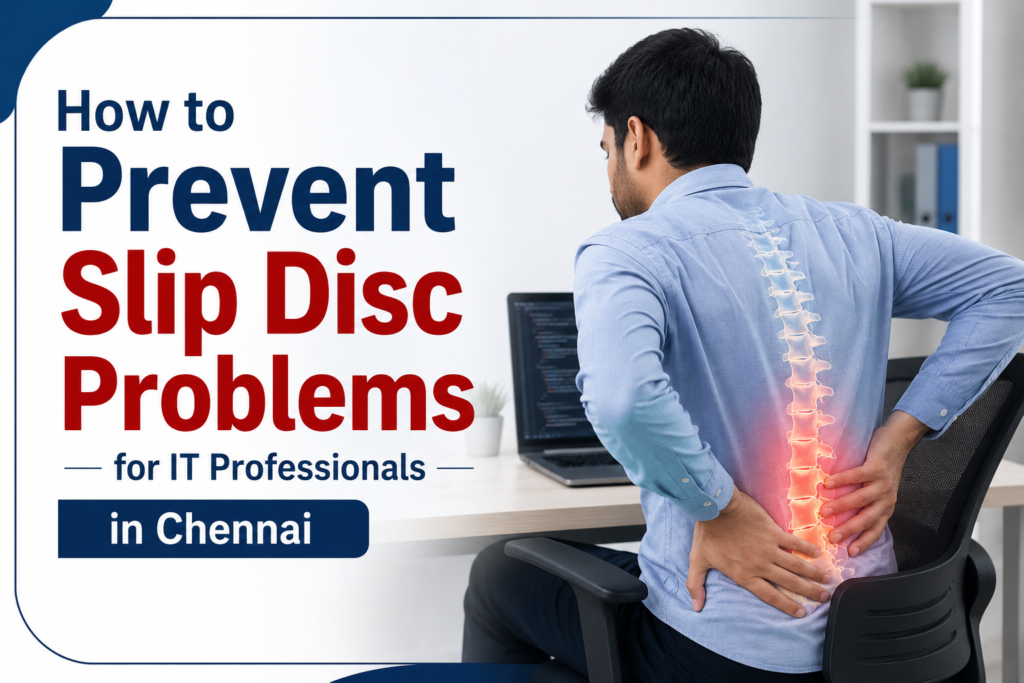
Slip disc problems are one of the most common spine-related conditions seen among IT professionals in Chennai today. With long working hours, continuous screen exposure, and minimal physical activity, the spine is subjected to constant stress. Over time, this can lead to disc degeneration, nerve compression, and persistent back pain. A slip disc does not occur suddenly—it develops gradually due to poor habits and lack of preventive care. The good news is that with early intervention and simple lifestyle modifications, slip disc problems can be effectively prevented. Why IT Professionals in Chennai Are at Higher Risk of Slip Disc Problems Chennai has emerged as a major IT hub, with thousands of professionals working in desk-based environments. While this has improved career opportunities, it has also led to a significant rise in spine-related disorders. The most common risk factors include: Prolonged sitting without breaks Poor posture and slouching Inadequate lumbar support Lack of physical activity Increased stress and muscle tightness Over time, these factors increase pressure on spinal discs, leading to Slip Disc Problems. Common Early Signs You Should Not Ignore Recognizing early symptoms can help prevent worsening of the condition. Watch out for: Persistent lower back pain Pain radiating to legs (sciatica-like symptoms) Numbness or tingling sensation Stiffness after long sitting hours Early diagnosis and timely care play a crucial role in avoiding complications. Effective Ways to Prevent Slip Disc Problems 1. Maintain Correct Sitting Posture Proper posture is the foundation of spinal health. Sit with your back straight, shoulders relaxed, and feet flat on the ground. Avoid leaning forward or slouching, as it increases disc pressure. 2. Optimize Your Workstation Ergonomics A well-designed workstation reduces unnecessary strain on the spine. Ensure: Monitor is at eye level Chair supports lower back Keyboard and mouse are within comfortable reach Small ergonomic corrections can significantly reduce the risk of Slip Disc Problems. 3. Take Regular Breaks During Work Continuous sitting is one of the biggest contributors to spinal stress. Stand, stretch, or walk for a few minutes every 30–40 minutes to relieve pressure on spinal discs. 4. Strengthen Core Muscles Strong core muscles provide stability to the spine. Exercises like planks, back extensions, and yoga help improve spinal support and prevent Slip Disc Problems. 5. Stay Physically Active Regular physical activity improves flexibility and blood circulation. Activities such as walking, swimming, and cycling help maintain overall spine health. 6. Practice Safe Lifting Techniques Incorrect lifting posture can trigger sudden disc injury. Always bend your knees, keep your back straight, and avoid lifting heavy objects abruptly. 7. Manage Stress and Muscle Tension Stress leads to muscle tightness, especially in the neck and lower back. Relaxation techniques such as breathing exercises and stretching can help reduce strain on the spine. When to Consult a Spine Specialist If symptoms persist despite preventive measures, it is important to seek medical advice. Spine specialists focus on identifying the root cause and providing personalised treatment plans, including non-surgical options in most cases. Timely consultation can prevent progression of Slip Disc Problems and ensure faster recovery. Conclusion With the growing demands of the IT industry, spine health should not be overlooked. Slip disc problems can significantly impact productivity and quality of life if left untreated. However, with proper posture, ergonomic awareness, and regular physical activity, these issues can be prevented effectively. Taking proactive steps today can help you maintain a healthy, pain-free spine in the long run. FAQs 1. What are Slip Disc Problems? Slip Disc Problems occur when the inner portion of a spinal disc protrudes and compresses nearby nerves, causing pain and discomfort. 2. Why are IT professionals more prone to Slip Disc Problems? Long sitting hours, poor posture, and lack of exercise increase the risk significantly. 3. Can Slip Disc Problems be prevented completely? While not always preventable, proper posture, exercise, and ergonomic practices can greatly reduce the risk. 4. Which exercises help prevent Slip Disc Problems? Core strengthening exercises, stretching, yoga, and low-impact activities are highly effective. 5. How often should I take breaks while working? It is recommended to take a short break every 30–40 minutes. 6. Are ergonomic chairs necessary? Yes, they provide proper lumbar support and reduce strain on the spine. 7. Is surgery required for Slip Disc Problems? Most cases are treated with non-surgical methods. Surgery isconsidered only in severe cases with nerve compression. Searching for the best treatment for Slip Disc Problems in Chennai? Book a consultation with an experienced spine specialist for comprehensive diagnosis, non-surgical treatment options, and advanced spine care solutions.
How Diabetes Affects Spine Health and Delays Recovery After Spine Surgery
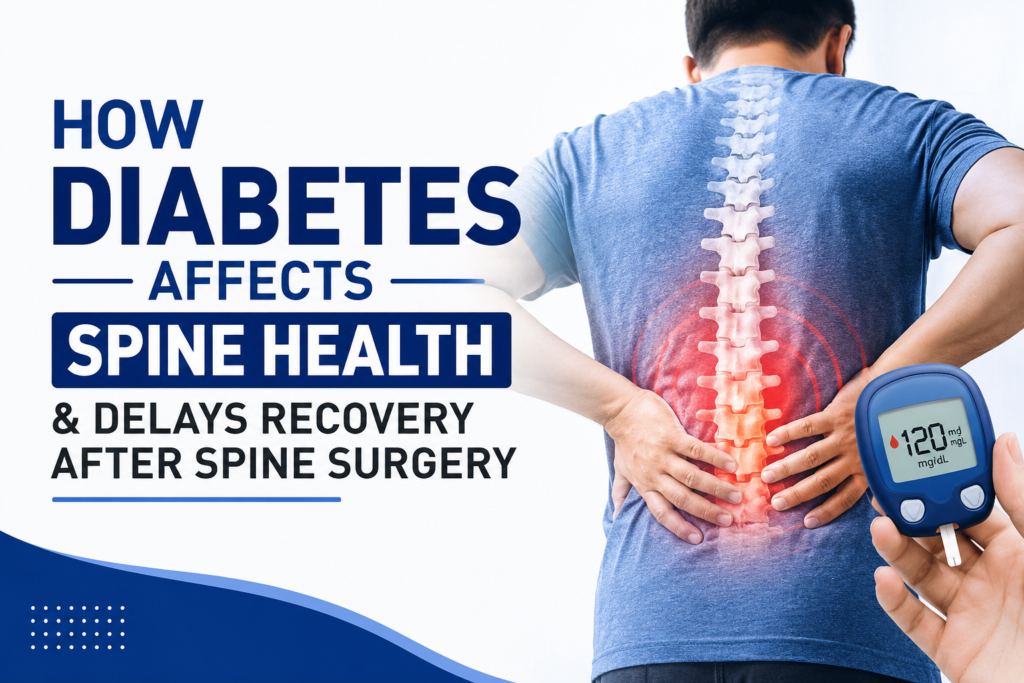
How Diabetes Affects Spine Health is an important clinical concern, particularly in patients undergoing spine surgery. Diabetes mellitus is known to affect multiple systems in the body, including bones, nerves, and soft tissues. These effects can significantly influence both the development of spinal disorders and the recovery process after surgical treatment. Understanding how diabetes affects spine health helps in better planning, risk reduction, and achieving improved surgical outcomes. How Diabetes Affects Spine Health Impaired Blood Circulation to Spinal Structures Chronic high blood sugar levels damage small blood vessels, reducing blood supply to spinal discs and surrounding tissues. This compromises nutrient delivery and slows down natural healing processes within the spine. Accelerated Degeneration of Intervertebral Discs Patients with diabetes are more prone to early degeneration of spinal discs. This increases the likelihood of conditions such as disc herniation, spinal stenosis, and chronic lower back pain. Nerve Involvement and Neuropathy Diabetes can lead to nerve damage, commonly known as diabetic neuropathy. When spinal nerves are affected, patients may experience increased pain, tingling, numbness, or weakness, making diagnosis and management more complex. How Diabetes Affects Recovery After Spine Surgery Increased Risk of Post-Surgical Infections Diabetic patients have a higher susceptibility to infections due to reduced immune response. Surgical site infections can delay recovery and may require prolonged treatment. Delayed Wound Healing Elevated glucose levels interfere with collagen formation and tissue repair. As a result, wound healing after spine surgery is often slower in diabetic patients. Higher Risk of Surgical Complications Diabetes is associated with an increased risk of complications such as prolonged hospital stay, delayed mobilization, and need for additional interventions. Poor Bone Healing and Fusion Outcomes In procedures like spinal fusion, successful bone healing is critical. Diabetes can impair bone formation, increasing the risk of non-union or failed fusion. Slower Neurological Recovery Pre-existing nerve damage due to diabetes can delay recovery of nerve function after surgery, affecting overall functional improvement. Importance of Blood Sugar Control Before and After Surgery Effective diabetes management plays a vital role in improving surgical outcomes. Maintaining controlled blood glucose levels before and after spine surgery can: Reduce infection rates Improve wound healing Enhance bone fusion success Support faster rehabilitation Preventive Measures for Better Outcomes Patients with diabetes can improve recovery outcomes by following these recommendations: Maintain optimal HbA1c levels as advised by the physician Follow a balanced and protein-rich diet Engage in supervised physical activity Avoid smoking and alcohol consumption Adhere strictly to post-operative rehabilitation protocols Monitor blood glucose levels regularly Conclusion How Diabetes Affects Spine Health is a critical factor in both the development of spinal conditions and the recovery process after surgery. While diabetes increases the risk of complications and delays healing, proper medical management and lifestyle modifications can significantly improve outcomes. Early intervention, strict glycemic control, and guided rehabilitation remain key to successful recovery. FAQs How Diabetes Affects Spine Health over time? Diabetes can lead to progressive degeneration of spinal discs, reduced bone quality, and nerve damage, increasing the risk of chronic spine conditions. Can diabetes worsen existing spine problems? Yes, uncontrolled diabetes can accelerate degeneration and intensify symptoms such as pain, stiffness, and nerve-related issues. Is spine surgery risky for diabetic patients? Spine surgery is generally safe when diabetes is well-controlled, but poorly managed diabetes increases the risk of complications. Why is recovery slower in diabetic patients? Delayed healing is mainly due to poor blood circulation, impaired immunity, and reduced tissue repair mechanisms. Does diabetes affect spinal fusion success? Yes, diabetes can reduce bone healing capacity, increasing the risk of incomplete fusion. How can diabetic patients improve recovery after spine surgery? Strict blood sugar control, proper nutrition, and adherence to rehabilitation protocols significantly improve recovery outcomes. When should diabetic patients consult a spine specialist? Patients should seek medical advice if they experience persistent back pain, numbness, or weakness, especially if diabetes is poorly controlled. Take Control of Your Spine Health with Expert Care If you are living with diabetes and experiencing persistent back pain, numbness, weakness, or difficulty in movement, early medical evaluation is essential. Proper diabetes management combined with timely spine care can help prevent complications and improve recovery outcomes after surgery. Consult an experienced spine specialist in chennai to receive a comprehensive evaluation, personalised treatment plan, and guidance for safe recovery. Early intervention and controlled blood sugar levels can make a significant difference in protecting your spine health and improving quality of life. 📞 Book your consultation today to discuss the best treatment for spine condition and diabetes-related complications. Meet Your Spine Specialist Dr. Vignesh Pushparaj M.B.B.S and Ortho from Rajah Muthiah Medical College Consultant Spine Surgeon AO spine ASIA PACIFIC long term Fellowship. (Park Clinic, Kolkata) Fellowship in Spine Surgery Certified by International society for Orthopaedic centre. (Sint Maartenskliniek, Netherlands) Fellowship in Chronic Pain Management Fellowships in Paediatric spine deformity offered by International Society for Spine Centres (ISOC) at Sint Maartenskliniek, Netherlands Adult complex spine surgery by Indo American Spine Alliance(IASA) at the University of Michigan, USA Book Appointment Related Blogs How to Know About Scoliosis in Children? October 27, 2022 | by Dr Vignesh Pushparaj Know About Scoliosis in Children and Teens Scoliosis is a condition where the backbone or spine is found to… Read More → Why is Detethering Necessary Before Deformity Correction? September 5, 2021 | by Dr Vignesh Pushparaj Dethethering by deformity correction Congenital kyphosis/scoliosis/ kyphoscoliosis is often associated with intraspinal anomalies such as tethered cord, Chiari deformity, and… Read More → Expandable Interbody Cages in Spine Surgery October 14, 2025 | by Dr Vignesh Pushparaj Spine surgery has undergone remarkable advancements over the past decade, with a focus on improving patient outcomes and reducing recovery… Read More →
Why IT Professionals in Chennai Are Facing More Back Pain?

Chennai has become one of India’s fastest-growing IT hubs, employing thousands of professionals who spend most of their working hours in front of computers. While the IT industry offers great career opportunities and technological advancement, it has also contributed to an increase in health issues related to sedentary work. One of the most common problems seen today is Back pain in IT professionals, which affects productivity, comfort, and overall quality of life. Many IT employees work long hours at desks with minimal movement, often using poorly designed workstations. These habits can lead to serious spinal stress, resulting in Lower back pain from sitting long hours, neck stiffness, and other musculoskeletal problems. Understanding the Causes of back pain in IT professionals and adopting preventive measures can help reduce the risk of chronic spinal issues. If the pain persists, seeking care from an experienced spine specialist like Dr. Vignesh Pushparaj, who offers advanced Neck & Back Pain treatment in Chennai, can help diagnose and treat the condition effectively. Why Back Pain is Increasing Among IT Professionals in Chennai Sedentary Work Culture in the IT Industry The modern IT workplace requires employees to sit for extended hours while working on computers, coding, attending virtual meetings, or analyzing data. Most professionals spend 8–12 hours per day sitting, which puts constant pressure on the spine. Over time, this sedentary lifestyle can weaken the muscles that support the spine and lead to discomfort or chronic pain. Key Lifestyle Factors Contributing to Back Pain Several lifestyle habits common among IT professionals contribute to spinal problems, including: Sitting continuously without taking regular breaks Poor workstation ergonomics Lack of regular physical activity High work stress and long deadlines Frequent laptop usage instead of ergonomic desktops These habits often result in Spine problems in IT professionals, which may gradually worsen if ignored. Common Causes of Back Pain in IT Professionals Understanding the Desk job back pain causes is essential for preventing long-term spine damage. Below are some of the most common reasons IT professionals experience back pain. Poor Posture While Working One of the major reasons behind Poor posture back pain office workers experience is incorrect sitting posture during work hours. Many professionals unknowingly sit in positions that strain the spine for long periods. Posture Mistakes That Cause Back Pain Common posture mistakes include: Slouching or leaning forward while typing Sitting with rounded shoulders Bending the neck toward the screen Lack of proper lower back support How Poor Posture Affects the Spine Maintaining incorrect posture places uneven pressure on spinal discs and muscles. Over time, this can lead to: Muscle fatigue Increased pressure on the lower back Spinal misalignment Chronic Back pain in IT professionals Correcting posture early can prevent many long-term spine issues. Prolonged Sitting and Limited Movement Sitting for long periods is one of the most significant Desk job back pain causes among IT professionals. When a person remains seated for hours, the lower spine bears continuous pressure, especially in the lumbar region. Effects of Sitting Too Long Prolonged sitting can cause: Tight hip flexor muscles Reduced blood circulation Weak core muscles Increased spinal compression These factors commonly lead to Lower back pain from sitting long hours, which is frequently reported by IT employees and desk workers. Improper Desk and Chair Setup Another important contributor to back pain is poor workstation design. Many offices and home workstations lack proper ergonomic support. Poor Ergonomic Setup May Include Chairs without proper lumbar support Desk height that is too high or too low Computer monitors positioned incorrectly Keyboard and mouse placed at uncomfortable angles Such setups force the body into unnatural positions, increasing strain on the spine. Implementing proper Ergonomic solutions for IT professionals can significantly reduce these risks. Laptop Usage Instead of Desktop Setup Many IT professionals rely heavily on laptops for long work sessions. While laptops are convenient, they are not designed for prolonged use without ergonomic support. Problems Caused by Laptop Use Extended laptop use can lead to: Forward head posture Neck strain Upper back muscle tightness Shoulder stiffness These problems can gradually lead to serious Spine problems in IT professionals if not corrected. Work Stress and Muscle Tension Work stress is another factor that indirectly contributes to back and neck pain. Tight deadlines, long work hours, and pressure to meet targets can cause physical tension in the body. How Stress Affects the Spine Stress can lead to: Tight back and neck muscles Increased pain sensitivity Tension headaches Chronic discomfort in the upper back and shoulders Over time, stress-related muscle tension may worsen existing spinal problems. Symptoms IT Professionals Should Not Ignore Back pain often starts as mild discomfort but can become severe if left untreated. Recognizing early symptoms is important for preventing long-term complications. Common Symptoms IT professionals experiencing spine problems may notice: Persistent lower back pain Neck stiffness or pain Shoulder discomfort Tingling or numbness in arms or legs Difficulty sitting or standing for long periods If these symptoms persist or worsen, it is advisable to consult a qualified Back Pain treatment doctor in Chennai for proper evaluation. Spine Problems Commonly Seen in IT Professionals Long hours of desk work and poor posture can lead to several spinal conditions. Some of the most common issues seen among IT professionals include: Muscle Strain Continuous strain on back muscles can lead to inflammation and pain. Cervical Spondylosis This condition affects the neck and is often caused by prolonged forward head posture. Lumbar Disc Bulge Pressure on spinal discs from long sitting hours can cause discs to bulge, resulting in lower back pain. Sciatica Compression of the sciatic nerve can lead to radiating pain from the lower back to the legs. Herniated Disc Severe pressure on spinal discs can cause them to rupture, leading to nerve compression and intense pain. These conditions often require specialized Neck & Back Pain treatment in Chennai to prevent further complications. Ergonomic Solutions for IT Professionals Adopting ergonomic workplace practices can significantly reduce the risk of back pain. Recommended Ergonomic Changes IT professionals