
Best Tips to Avoid Back Pain While Working from Home
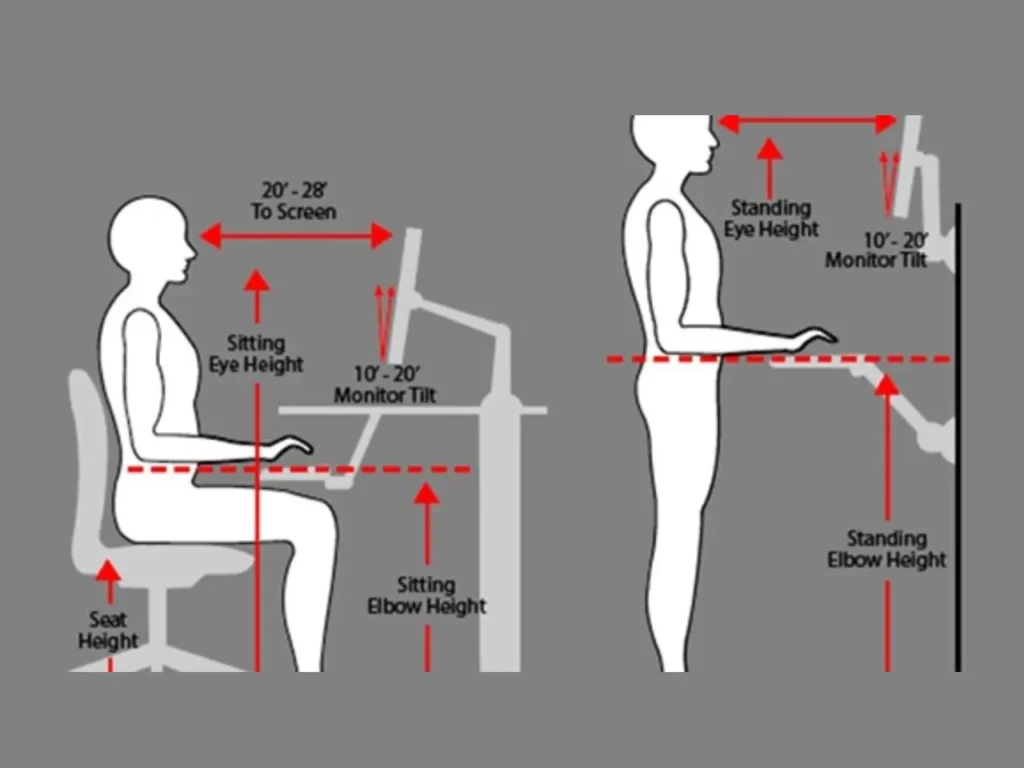
Best Tips to Avoid Back Pain While Working from Home The spinal Cord begins at the base of the brain/ head and continues down almost to the lower end of the back. The brain produces signals for all activities including urination and defecation. The spinal cord consists of a bundle of nerves that carry signals between the brain and the rest of the body. Since the spinal cord is extremely vital for the efficient functioning of our body, hence it is strongly recommended to consult the best Spinal Cord Specialist In Chennai and get your spine check-up done at the earliest. The whole spinal column comprises muscles, bones (vertebral body), multiple small joints, discs and ligaments. The lower back supports the weight of the upper body and provides mobility for routine motions such as twisting and bending. Muscles in the lower back are responsible for rotating and bending while walking, as well as for supporting the spinal columns. The pain in the lower back can arise mainly due to spasm of muscles or injury to the muscles, ligaments, discs, or joints. The chances of developing lower back pain generally increase as you age due to a lack of physical exercise. These days younger people also suffer from back pain because of sitting for long working hours without breaks. Along with that, they misuse the back by improper sitting postures. So, it is advisable to undergo Back Pain Treatment in Chennai for a thorough evaluation. Viewing The Computer Screen With A Straight Neck: Placing the screen in front of the body at a comfortable viewing height and avoiding looking down prevents pain in the neck and back. That means the system screen has to be placed at the level of our eyesight. So, it is best recommended to use a cardboard box while using the laptop to raise the height of the screen to an optimum level. Putting The Mouse and The Keyboard Or The Touchpad At A Comfortable Height: It is essential to make sure that the mouse and keyboard are used properly with the elbow at 90 degrees. So, using a separate mouse and keyboard for computers to view the screens at the right level prevents the pain at the back of the neck and lower back. Avoid Prolonged Sitting For Computer Work: Sitting for long hours for work puts a lot of strain on our back and neck muscles. To avoid spasms of those muscles kindly take a break once in 2 hours. Stretch your back and neck muscles in that break, as it will hardly take a couple of minutes. These simple breaks and stretches will avoid chronic back and neck pain. Dr. Vignesh Pushparaj MBBS.,D Ortho., AO FISS, FISS(Netherland & USA) Consultant Orthopaedic & Spine Surgeon
Spinal Cord Injury Health Awareness
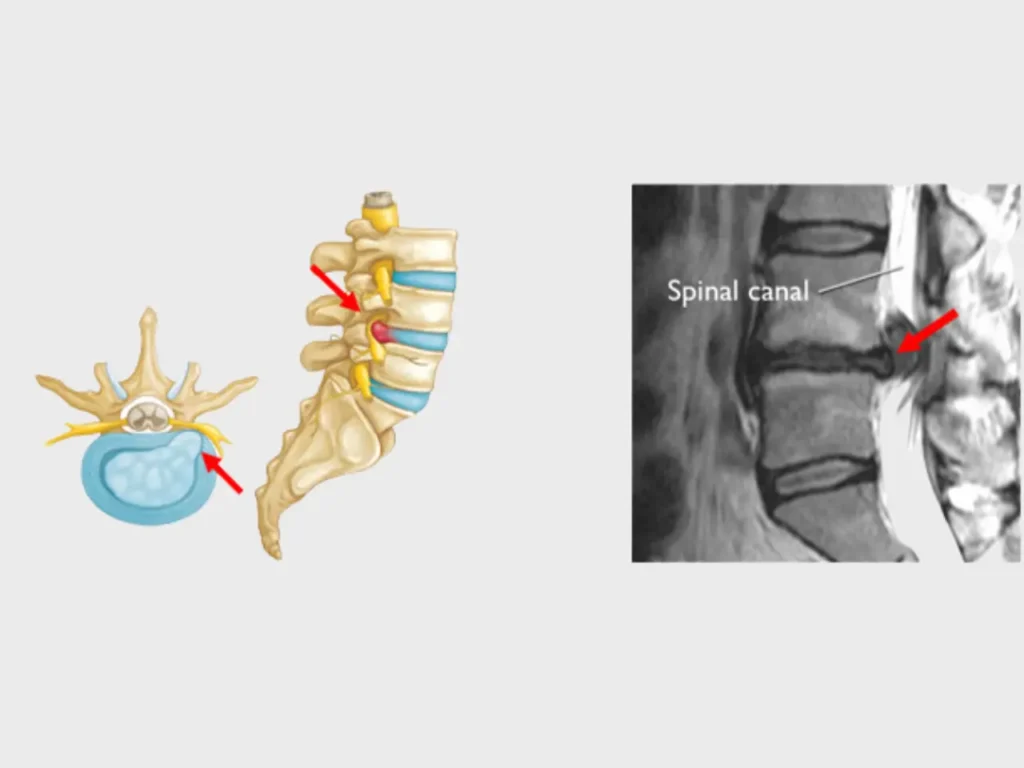
Acute disc prolapse also called a “slipped” disc is a common source of back or neck pain. Risk Factors Lifting of weights in an improper position. Smoking. Obesity – adds stress on the discs (in the lower back). Sedentary lifestyle. Repetitive strenuous activities such as long sitting hours/ extensive journey. Symptoms: Lower Back – Sciatica—a sharp, shooting pain that extends from the buttocks down to the back of one leg/ both legs. Back pain. Weakness/ numbness in the leg and/or foot. Tingling (“pins-and-needles” sensation) or numbness in the leg / foot. Loss of urine/ stools control (It requires immediate attention). Neck – Weakness in one arm. Tingling (“pins-and-needles” sensation) or numbness in one arm/ forearm. Burning pain in the shoulders, neck, or arm. Dr. Vignesh Pushparaj MBBS.,D Ortho., AO FISS, FISS(Netherland & USA) Consultant Orthopaedic & Spine Surgeon
Bed Rest is Harmful to your back pain
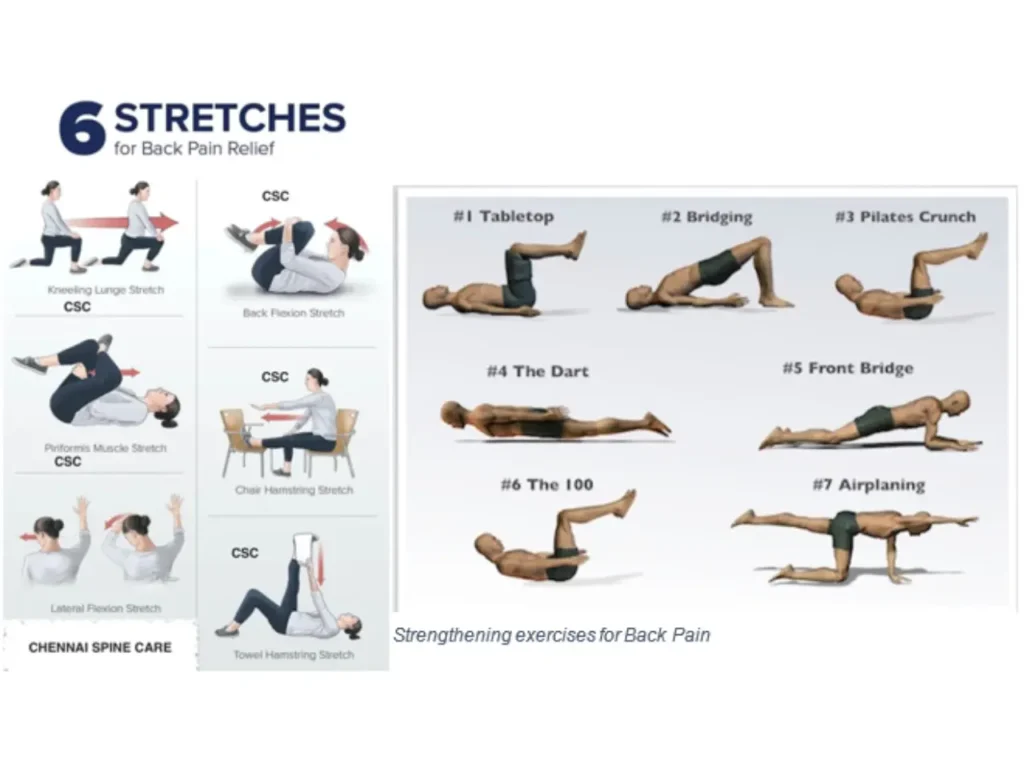
Most people, when suffering from back pain, tend to take prolonged bed rest hoping that it would cure their back pain. But it was mentioned in top journals that bed during back pain can be counteractive. Many leading doctors and researchers have proved that taking prolonged bed rest during your back pain can be counterproductive. Thus the specialist in our city such as Spine Surgeons In Chennai does not suggest taking long periods of bed rest during any sort of back and neck discomfort. There are several ways in which bed rests for a longer duration can potentially turn out to be harmful to you. It will lead to deconditioning of your paraspinal muscles leading to atrophy(reduction in muscle mass). It’s a long-term effect that you should not ignore at any cost. Moreover, your back paraspinal muscles will become incapable of enduring compressive loads. That may result in us in loss of back curvature (Lumbar lordosis) will end up having flatback. If we have lower back pain or Sciatica, we should stay a bit active to strengthen our paraspinal muscles with our pain permission. Walking, stretching, a specialist-guided/supervised back muscle strengthening exercise program, and yoga poses can be of great help. Additionally, a good massage/ manipulation by a manual therapist followed by refreshing ice therapy will be very useful in relieving those strained paraspinal muscles. Thus Best Spine Surgeons In Chennai recommend low-impact physical exercises to cope with Sciatica. This is a serious condition and it is best to be preventive of such conditions, as the treatment gets more complex and it may end up having a need for surgical intervention if the condition gets severe. It is best to consult us one among the Top 10 Spine Surgeons In Chennai if you face prolonging sciatica or general back pain issues. If you delay your visit to a spine doctor, then you are probably going to face serious repercussions especially in the later years of your life. Dr. Vignesh Pushparaj MBBS.,D Ortho., AO FISS, FISS(Netherland & USA) Consultant Orthopaedic & Spine Surgeon
Why is Detethering Necessary Before Deformity Correction?
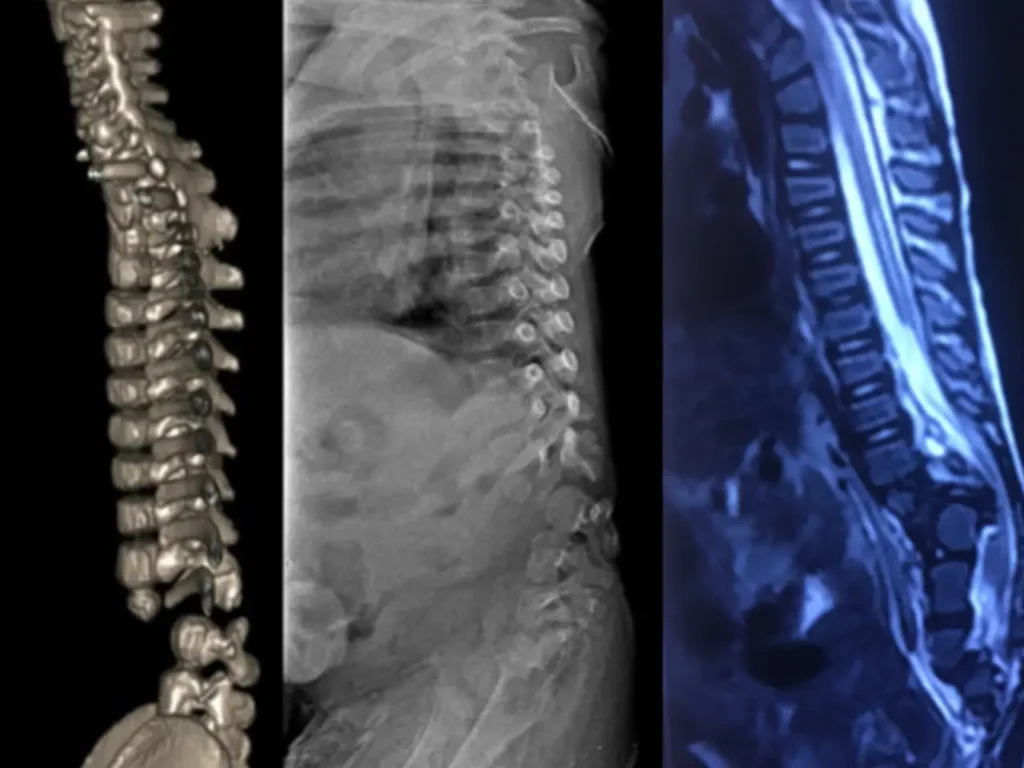
Dethethering by deformity correction Congenital kyphosis/scoliosis/ kyphoscoliosis is often associated with intraspinal anomalies such as tethered cord, Chiari deformity, and spinal cord malformations. Tethered cord syndrome is an abnormal stretching of the spinal cord inside the spinal column. Normally tethered cord syndrome refers to neurological signs and symptoms resulting from abnormal longitudinal traction. Surgical detethering is consistently reported to be effective in treating symptomatic tethered cord syndrome. A spine-shortening vertebral osteotomy is an effective approach to correct severe kyphoscoliosis. Then, we hypothesized that a spine-shortening by vertebral osteotomy/ vertebral column resection alone could simultaneously treat both kyphoscoliosis and tethered cord without necessarily doing detethering procedure. In this case report, we present a patient with congenital kyphoscoliosis due to congenital dislocation of D12 over L1 vertebrae with tethered cord. The patient had Paraparesis and underwent posterior vertebral column resection for releasing tension on the tethered cord without a true detethering surgery by correcting the spinal deformity. One and the half-year-old male kid from Malaysia was brought with chief complaints of reduced movements in the bilateral lower limbs since birth with dribbling of urine and colostomy since birth. On clinical examination kid was found to have kyphoscoliosis at the back since birth, neurological examination revealed the weakness of bilateral lower limb with bladder incontinence. After radiological investigations, the kid was found to have hemivertebra at D12 with congenital dislocation of the same over L1 causing major cord compression at that level with tethering of the cord. Management: Under intraoperative neural monitoring through a posterior-only approach, we did vertebral column shortening by resection of the hemivertebra followed by deformity correction with the help of screws and rods. Anterior reconstruction was done with a fibular strut graft. In the postoperative period, the kid’s neurology and weakness got better. Complex spinal surgeries (in any age group) and spinal deformity correction cases are always done under intra-operative neural monitoring, this reduces the risk of paralysis. We have a team, Here Neurosurgeons, Orthopaedic spinal surgeons, anesthetists, and neurologists work as a complete team. Dr. Vignesh Pushparaj MBBS.,D Ortho., AO FISS, FISS(Netherland & USA) Consultant Orthopaedic & Spine Surgeon
Top 5 Ways to Keep Your Spine Healthy and Happy
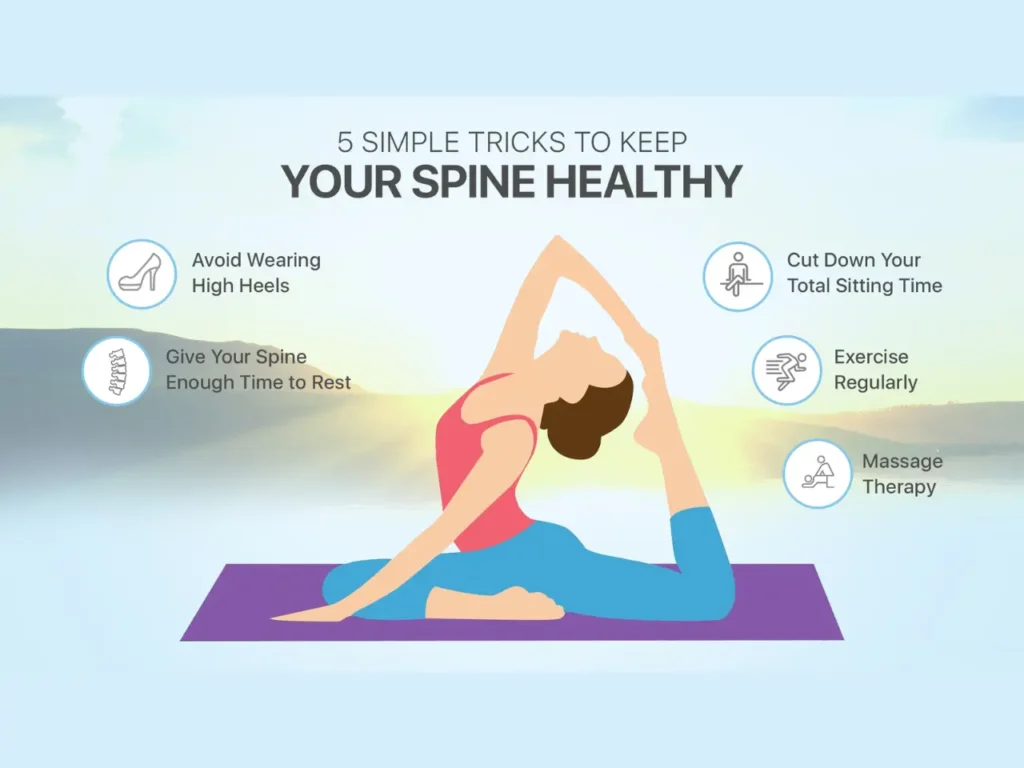
5 Best Tips For A Healthy Spine Everyone deserves a healthy back so that they can be flexible, healthy, and strong. Having good spinal health is supremely important for overall well-being and longevity. Many people ignore the importance of a healthy spine at young ages and repent when they are old, thus no matter what your age is it is very important to take care of your spine carefully. The leading Spine Surgeon In Chennai recommends you to have a healthy lifestyle for having better spinal health. Maintaining good spine health does not require too much effort from your side. A little dedication every day for a healthy lifestyle will take you long. Now let us look at 5 useful tips that will give you a healthy spine – 1- Exercise every day Everyone knows the importance of physical activities daily but very few people follow them. There are many reasons for it. But we should make sure that you are at least able to dedicate 15 – 20 minutes every day for physical activities. Physical activities can include yoga walking, jogging, running aerobics, weight lifting, strengthening exercises and much more. 2- Eat healthy Due to the increased consumption of junk food especially among children and adults. The Spine Specialist in Chennai Always suggests you have healthy, balanced, and home cooked food. Our food should be filled with rich vitamins, nutrients, protein, carbohydrates, and healthy fats. 3- Sleep right The top Spine Doctor In Chennai You too have the right posture while you sleep most of us unknowingly sleep in the wrong posters which leads to unhealthy spine habits and could later even lead to serious problems. Only during sleep does our body rest and repair itself. You should make sure that you sleep on a proper mattress or the best way to sleep is to sleep on the floor which is excellent for your spinal health. 4- Keep stretching It is very important to stretch your body a few times a week if not every day as stretching will help you increase the flexibility of your body making your bones and muscles much stronger. 5- Stay hydrated It is recommended that you should at least drink 3 to 5 litres of water every day. Water is a very important component of our body and we must not ignore the daily consumption of water to make sure you drink healthy mineral water every day. Hydration promotes fluidity in joints and soft tissue elasticity. Dr. Vignesh Pushparaj MBBS.,D Ortho., AO FISS, FISS(Netherland & USA) Consultant Orthopaedic & Spine Surgeon
10 Questions to be answered while meeting your spine specialist for your back and neck pain
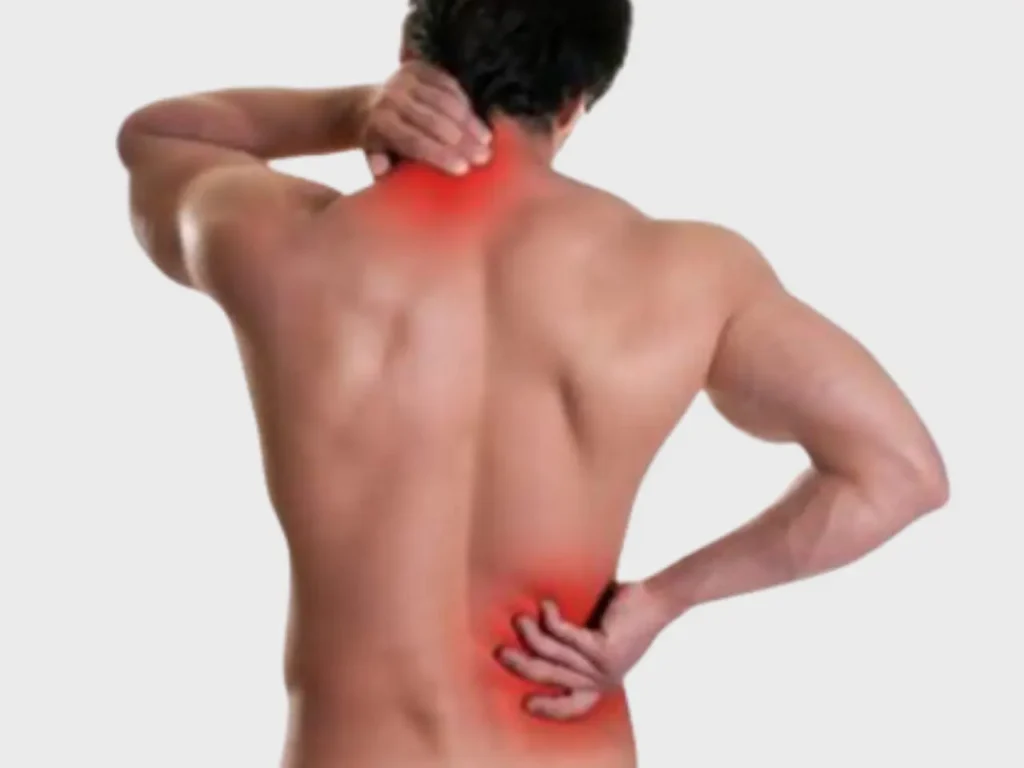
10 Questions to be answered while meeting your spine specialist for your back and neck pain. How long do you have this pain? How and when did your pain start? What is your main problem? Neck pain or Neck Pain radiating to your arms? Only radiating pain to your arms with pins and needles or weakness and numbness in your arm? Mid-back pain? Lower back pain or low back pain radiating to your buttock and/or leg(s)? Only radiating pain to your legs with pins and needles in your arm or weakness and numbness in your arm? Difficulty in walking with urine and motion disturbance? Which pain is more? Back Pain or Leg Pain Neck pain or arm pain Overall body pain What always makes your back and neck problem worse? When is the back pain Worst? (Includes the aggravating factor and time of day, week, month, seasons, etc.) What always makes it better (even if only a little)? Does any medication help you to get relieved of that pain? If so mention Description of the back or neck pain, or other types of pain you came across E.g. Is the pain sharp, dull, hot, electrical, burning, crushing, tingling, throbbing, mixed? Other? Does it have any effects on your job or day-to-day routine? Sex life? Social life? What are the nature of the job and working hours per week? Are you satisfied with your job? Or you are overworked physically/ mentally? How intense is your back/ neck pain “right now”, on average/typical, at best, and at worst on a 0-10 scale (10=intense). Be prepared to answer all the above… Dr. Vignesh Pushparaj MBBS.,D Ortho., AO FISS, FISS(Netherland & USA) Consultant Spine Surgeon
Top 5 Facts about Scoliosis Every Parent Should Know
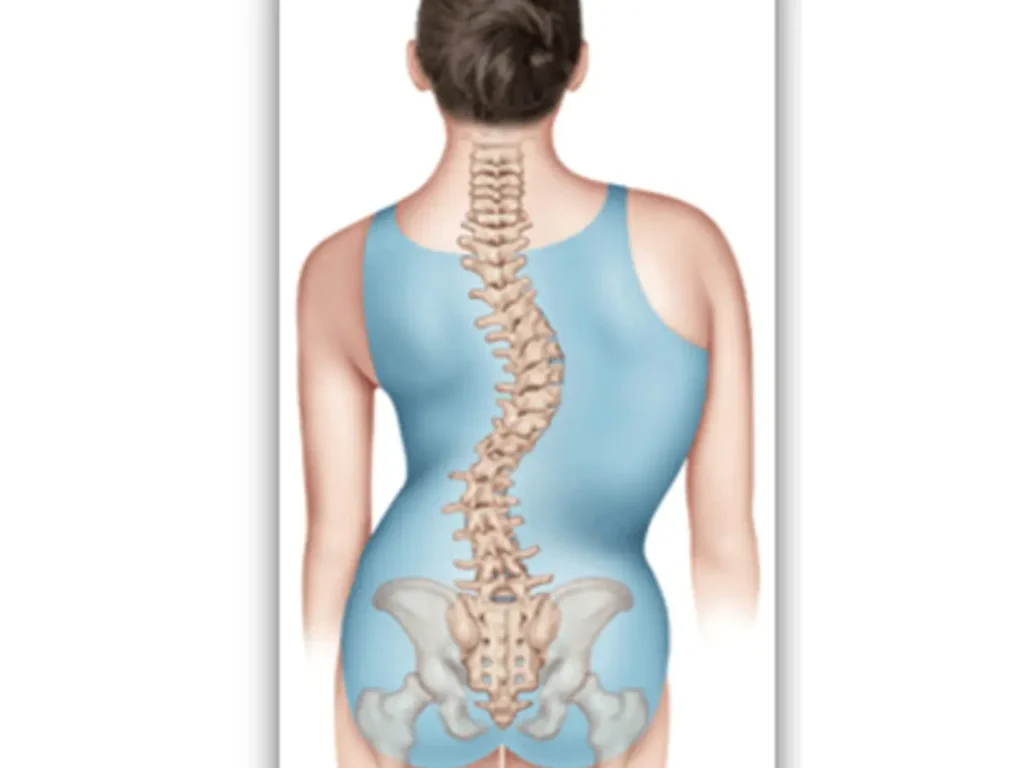
Scoliosis – Symptoms, Diagnosis and Treatment Normally spine of a person is straight when you see it from the back. The abnormal Curvature of the spine is spine deformity. The spine of a person with scoliosis looks more like an “S” or a “C” than a straight line. It means there is an abnormal, sideways curvature or bend of the spine. Scoliosis kids prevalence is 0.47–5.2 % in general population. The female to male kids ratio ranges from 1.5:1 to 3:1 which clearly indicates that the female children are affected more. Scoliosis/ abnormal spine curve progression is accelerated during the time of menarche. In most of the 1st and 2nd world countries, parents know about scoliosis and the importance of early identification among their kids. In our country it’s still an underdiagnosed condition. Consequences of scoliosis are breathing problems rarely cardiac problems, back pain, cosmetic deformity, and psychosocial impact. Because of the lack of awareness, people get it diagnosed very delayed/ leave it undiagnosed until the adult age group; which results in bad treatment outcomes. Causes of scoliosis are manifold. Some children are born with it (Congenital scoliosis) While others develop the condition during the growth phase. But the most commonly registered trait of scoliosis is known as adolescent idiopathic scoliosis, as the name implies the reason for this kind is unknown and the second common one is congenital. As I mentioned earlier, timing of treatment is the most important factor in scoliosis treatment. Very often we meet patients with complex scoliosis who had been denied treatment by doctors, who had advised them to wait until the growth of the spine is completed. This is an absolutely wrong concept. Treatment should be started whenever it is detected. Scoliosis can be best treated when the bones are pliable and amenable to correction of the deformity. Purpose of treatment is to reduce the risk of lung disease, early onset of back/ neck pain problems and to extend the lifespan of those individuals (Minimum 8-10 years).Cosmetic comes at last. It’s very simple to identify a scoliotic kid. When we see scoliosis kid from back, Kids will have uneven/ crooked shoulders (one is higher than the other). Head won’t be placed in the center of the body, it will be tilted to one side. One of their hips is higher than the other. When they stand relaxed arm to trunk gap is higher on one side comparing to the other. Their posterior chest/ rib cage will appear uneven with a posterior chest/ rib hump. Scoliosis identification/diagnosis is difficult in our society because of our traditional outfits. That also increases the necessity to educate our population. Thus, I would like to make people understand and create awareness about scoliosis and the recent advances in treatment options. Kindly consider and support me to do the same in our society. Dr. Vignesh Pushparaj MBBS.,D Ortho., AO FISS, FISS(Netherland & USA) Consultant Spine Surgeon