
What is Lumbar Laminectomy Surgery?

Lumbar Laminectomy Surgery: Recovery Tips and Outcomes Lumbar laminectomy surgery is a common spinal procedure aimed at relieving pressure on the spinal cord or nerves. This procedure is often recommended for patients suffering from spinal stenosis, herniated discs, or other degenerative spinal conditions. By removing the lamina (the back part of the vertebra that covers the spinal canal), the surgery creates more space, reducing nerve compression and alleviating pain. Dr. Vignesh Pushparaj, a leading spine surgeon, offers expert Lumbar Laminectomy Surgery in Chennai, ensuring the best outcomes for patients dealing with chronic back pain and mobility issues. What is Laminectomy? A laminectomy is a surgical procedure designed to relieve pressure on the spinal nerves by removing the lamina. This procedure is often necessary when other non-surgical treatments have failed to provide relief. Conditions that may require laminectomy include: Spinal stenosis – Narrowing of the spinal canal Herniated discs – Bulging or ruptured discs pressing on nerves Tumors or bone spurs – Growths that compress the spinal cord Laminectomy is typically performed on the lumbar region (lower back), but it can also be done on the cervical (neck) and thoracic (mid-back) regions. Benefits of Laminectomy Patients undergoing laminectomy often experience significant relief from chronic pain and improved mobility. Key benefits of laminectomy include: Pain relief – Reduces nerve compression, alleviating back and leg pain Improved mobility – Enhances the ability to perform daily activities Prevention of further nerve damage – Stops progression of nerve impairment Stabilization of the spine – When combined with spinal fusion, it provides enhanced stability Risks of Laminectomy Like any surgical procedure, laminectomy carries some risks. Understanding these potential complications can help patients make informed decisions. Common risks include: Infection – At the surgical site Bleeding – Excessive bleeding during or after surgery Nerve damage – Potential injury to spinal nerves Blood clots – Risk of clot formation in the legs Spinal fluid leakage – In rare cases, cerebrospinal fluid leakage can occur Choosing an experienced spine surgeon like Dr. Vignesh Pushparaj can significantly reduce these risks and enhance the chances of a successful outcome. Laminectomy Recovery Tips: Immediate Post-Surgery Care Rest and activity modification – Limit strenuous activities for the first few weeks Pain management – Follow prescribed medication and use ice/heat therapy Monitor for complications – Watch for signs of infection, excessive swelling, or unusual pain Physical Therapy and Rehabilitation Physiotherapy – Engaging in guided physical therapy to restore strength and flexibility Core strengthening exercises – Helps stabilize the spine and prevent future injuries Walking and low-impact activities – Gradual return to daily movements enhances recovery Lifestyle Modifications Posture correction – Maintain proper spinal alignment while sitting, standing, and sleeping Ergonomic adjustments – Use supportive chairs and mattresses Healthy diet – Nutrient-rich foods promote faster healing and reduce inflammation Avoiding Common Pitfalls Avoid heavy lifting – Refrain from lifting heavy objects during the recovery period Minimize bending and twisting – Protect the spine by avoiding unnecessary strain Sleeping positions – Use pillows for spinal support while sleeping Recovery Time for Laminectomy Recovery time varies depending on the patient’s overall health and the complexity of the surgery. A general timeline includes: First few days to one week – Focus on pain management and initial healing 2 to 4 weeks – Gradual increase in light activities 6 to 8 weeks – Most normal activities can be resumed 3 to 6 months – Full recovery, including strenuous activities Factors such as age, physical condition, and adherence to post-operative care can influence the recovery process. Outcomes and Long-Term Prognosis Laminectomy is highly effective in relieving pain and restoring function. Patients often report significant improvements in their quality of life. Success rates are high, particularly when performed by skilled surgeons. At Dr. Vignesh Pushparaj’s clinic, Lumbar Laminectomy Surgery in Chennai is tailored to meet individual patient needs, ensuring optimal outcomes. Why Choose Dr. Vignesh Pushparaj for Lumbar Laminectomy Surgery in Chennai? Dr. Vignesh Pushparaj is renowned for his expertise in spinal surgeries and patient-centered care. His clinic offers: Advanced surgical techniques – Minimally invasive options for quicker recovery Top facilities – Equipped with the latest medical technology Personalized treatment plans – Focused on each patient’s unique condition and goals Proven track record – High success rates and patient satisfaction Conclusion Lumbar laminectomy surgery can significantly enhance the quality of life for individuals suffering from chronic back pain and spinal nerve compression. By following essential laminectomy recovery tips and choosing an experienced surgeon like Dr. Vignesh Pushparaj, patients can achieve the best possible outcomes. For those seeking reliable and expert Lumbar Laminectomy Surgery in Chennai, Dr. Vignesh Pushparaj stands out as a trusted name in spinal care.
How to Prevent Common Spine Injuries?

How to Prevent Common Spine Injuries in Everyday Life? Spinal health is crucial for maintaining an active and pain-free lifestyle. In this guide, we’ll explore how you can prevent common spine injuries in your daily life, recognize the causes of spinal cord injury, and understand effective prevention strategies. This information is presented with insights from Dr. Vignesh Pushparaj, one of the best spine surgeons in Chennai. What Are Spinal Injuries? Spinal injuries refer to damage to any part of the spine, including the vertebrae, spinal cord, or surrounding tissues. These injuries can range from mild strains to severe conditions that affect mobility and quality of life. Common types of spinal injuries include: Herniated discs: Occurs when the soft center of a spinal disc pushes through a crack in the outer casing. Fractures: Often caused by trauma or osteoporosis. Spinal stenosis: Narrowing of the spinal canal, putting pressure on the spinal cord and nerves. Soft tissue injuries: Strains or sprains affecting the muscles and ligaments supporting the spine. Causes of Spinal Cord Injury Understanding the causes of spinal cord injuries can help in their prevention. Common causes include: Poor posture during daily activities such as sitting or standing. A sedentary lifestyle leading to weakened core and back muscles. Incorrect lifting techniques that strain the back. Accidents or falls that result in trauma to the spine. Repetitive stress injuries from overuse or improper movements. How to Prevent Spine Injuries? Ergonomic Practices for Everyday Life Ergonomics is essential for maintaining spinal health. Implement these practices: Maintain proper posture while sitting, standing, or working at a desk. Use ergonomic furniture such as: Adjustable chairs with lumbar support. Height-adjustable desks to alternate between sitting and standing. Lifting Techniques to Protect Your Spine Prevent injuries by following safe lifting techniques: Bend at your knees, not your waist, to lift objects. Keep heavy items close to your body while carrying them. Avoid twisting your body while lifting or moving objects. Causes of Spinal Cord Injury Understanding the causes of spinal cord injuries can help in their prevention. Common causes include: Poor posture during daily activities such as sitting or standing. A sedentary lifestyle leading to weakened core and back muscles. Incorrect lifting techniques that strain the back. Accidents or falls that result in trauma to the spine. Repetitive stress injuries from overuse or improper movements. How to Prevent Spine Injuries? Ergonomic Practices for Everyday Life Ergonomics is essential for maintaining spinal health. Implement these practices: Maintain proper posture while sitting, standing, or working at a desk. Use ergonomic furniture such as: Adjustable chairs with lumbar support. Height-adjustable desks to alternate between sitting and standing. Lifting Techniques to Protect Your Spine Prevent injuries by following safe lifting techniques: Bend at your knees, not your waist, to lift objects. Keep heavy items close to your body while carrying them. Avoid twisting your body while lifting or moving objects. Spine Injury Prevention Exercises Stretching Exercises Regular stretching improves flexibility and reduces stiffness: Hamstring Stretches: Relieves tension in the lower back. Cat-Cow Pose: Enhances spinal flexibility and promotes circulation. Strengthening Exercises Strengthen your core and back muscles with these exercises: Plank Exercises: Improve core stability. Bird-Dog Exercise: Enhances balance and strengthens the lower back. Low-Impact Activities Incorporate these activities into your routine: Swimming: Provides full-body exercise with minimal spinal strain. Yoga: Improves posture, flexibility, and core strength. Identifying Spinal Cord Injuries Early Signs of Spinal Cord Injuries Be vigilant for these symptoms: Persistent back or neck pain that does not improve with rest. Numbness, tingling, or weakness in the arms or legs. Loss of coordination or balance. Signs of Recovery from Spinal Cord Injury Recovery signs include: Gradual return of sensation and movement. Improvement in mobility and strength. Reduction in pain or discomfort. Treatment for Spinal Cord Injury Medical Interventions Treatment options depend on the severity of the injury: Diagnostic imaging, such as MRIs or X-rays, to assess the injury. Non-surgical treatments like physical therapy and medications for pain relief. Surgical Solutions In severe cases, surgery may be necessary: Herniated disc surgery to remove or repair damaged discs. Spinal fusion or decompression surgery performed by experienced spine surgeons in Chennai. Spinal Cord Injury Pain Treatment in Chennai Dr. Vignesh Pushparaj offers advanced pain management therapies, including: Customized rehabilitation programs. Medications and minimally invasive procedures for effective pain relief. Lifestyle Changes to Prevent Future Injuries Daily Habits for a Strong Spine Incorporate these practices into your daily life: Take frequent breaks to stretch if you’re sitting for long periods. Sleep on a firm mattress that supports proper spinal alignment. Workplace Adjustments Make your workplace spine-friendly: Use a standing desk to alternate between sitting and standing. Arrange your workstation to minimize strain on your neck and back. Conclusion Spinal health requires consistent effort, from ergonomic adjustments to regular exercise. By following these strategies, you can prevent common spine injuries and maintain a healthier, pain-free lifestyle. For expert advice and treatment, consult Dr. Vignesh Pushparaj, one of the best spine surgeons in Chennai.
Advanced Treatment Options for Herniated Discs

Advanced Techniques for Treating Herniated Discs: Effective Solutions for Pain Relief Herniated discs, also known as slipped or ruptured discs, can significantly affect one’s quality of life. They occur when the soft, gel-like center of an intervertebral disc leaks through a tear in its outer layer, causing pain, numbness, or weakness. Advanced treatments now offer faster recovery and improved outcomes for patients. Dr. Vignesh Pushparaj, one of the best spine surgeons in Chennai, specializes in providing advanced solutions for this condition. What is a Herniated Disk? A herniated disk occurs when the protective outer layer of a spinal disc cracks, allowing its inner gel-like material to protrude. This can irritate nearby nerves, causing pain and discomfort. Often confused with a slipped disk, a herniated disk involves structural damage, whereas a slipped disk refers to a less severe disc displacement. Common Causes and Risk Factors for a Slipped Disk Age-related degeneration: Natural wear and tear reduce disc elasticity. Poor posture: Sitting or standing incorrectly puts strain on spinal discs. Traumatic injury: Sudden impacts can cause discs to herniate. Occupational hazards: Jobs involving heavy lifting or repetitive motions increase risk. Symptoms of a Herniated Disk Recognizing the symptoms early can help in seeking timely treatment. Common signs include: Persistent back pain and stiffness. Numbness or tingling sensations in the arms or legs. Weakness in specific muscle groups, leading to difficulty performing daily tasks. Location-Specific Symptoms Cervical Spine: Pain radiates to the shoulders and arms. Thoracic Spine: Pain around the ribcage. Lumbar Spine: Pain in the lower back and legs (sciatica). Stages of a Herniated Disk Understanding the progression of a herniated disk can help in tailoring treatments: Disc Degeneration: Loss of water content makes discs less flexible. Prolapse: The outer layer of the disc weakens. Extrusion: The inner gel pushes out of the disc. Sequestration: The gel material separates entirely from the disc. How is a Herniated Disk Diagnosed? Proper diagnosis is crucial for effective treatment. Diagnostic steps include: Physical Examination: Assessing pain triggers and nerve function. Imaging Tests: MRI for detailed images of soft tissues. CT scans and X-rays to rule out other conditions. Nerve Function Tests: EMG and nerve conduction studies to evaluate nerve damage. Advances in Herniated Disc Treatment Modern treatments offer non-invasive and surgical options to suit varying severity levels. Non-Surgical Treatments Physical Therapy: Reduces pain and improves mobility through targeted exercises. Techniques like stretching and strengthening help stabilize the spine. Pain Management Techniques: Epidural steroid injections reduce inflammation. Nerve block procedures target specific pain areas. Lifestyle Modifications: Emphasis on maintaining proper posture. Using ergonomic furniture and tools. Weight management to reduce spinal stress. Surgical Treatments Microdiscectomy: A minimally invasive procedure to remove protruding disc material. Short recovery time and minimal scarring. Artificial Disc Replacement: Replaces damaged discs with synthetic ones to restore mobility. Suitable for chronic herniated disc cases. Endoscopic Spine Surgery: Uses small incisions and a camera to access the spine. Results in faster recovery and reduced complications. How to Heal a Herniated Disc Quickly? Combining treatments can optimize recovery: Engage in regular physical therapy. Prioritize adequate rest and proper sleeping posture. Take prescribed anti-inflammatory medications and supplements. Is Walking Good for a Herniated Disc? Walking is a low-impact activity that promotes spinal health by: Increasing blood flow to the affected area. Strengthening core muscles to support the spine. Tips for Safe Walking Wear supportive footwear. Maintain an upright posture. Start with short durations, gradually increasing intensity. What is the Best Exercise for a Herniated Disc? Exercises that improve flexibility and strengthen the core are highly effective: McKenzie Exercises: Focus on spinal extension to alleviate nerve pressure. Core-Strengthening Routines: Planks and bridges enhance stability. Gentle Yoga Poses: Cat-cow stretch and child’s pose relieve tension. Exercises to Avoid Heavy weightlifting. Twisting motions that strain the spine. Why Choose Herniated Disk Surgery in Chennai with Dr. Vignesh Pushparaj? Dr. Vignesh Pushparaj is renowned for his expertise in treating spinal conditions. Reasons to choose him include: Extensive experience in advanced spine surgery techniques. Access to state-of-the-art facilities and technology. Individualized care plans tailored to each patient’s needs. Conclusion Early diagnosis and treatment of herniated discs can significantly improve quality of life. Consult Dr. Vignesh Pushparaj, one of the best spine surgeons in kolkata, and chennai, for expert advice and advanced treatment options. Book an appointment today to begin your journey toward a pain-free life.
Common Myths About Spine Surgery

Spinal Health Myths Busted: What You Need to Know About Surgery Spinal health is a crucial aspect of overall well-being, yet it is often overlooked. Misconceptions about spinal health and surgery can lead to unnecessary fear and delayed treatment. Dr. Vignesh Pushparaj, one of the best spine surgeons in Chennai, is dedicated to addressing these myths and helping patients make informed decisions about their health. Common Myths About Spine Surgery Spine Surgery is Always Risky Thanks to advancements in medical technology, spine surgery is safer and more effective than ever before. Minimally invasive techniques have significantly reduced risks and recovery times. In Chennai, modern back pain surgery boasts high success rates, with numerous patients experiencing positive outcomes under expert care. Spine Surgery Leads to Permanent Disability This myth often prevents people from seeking necessary treatment. In reality, post-surgery rehabilitation and recovery plans ensure that most patients regain mobility and lead active lives. Choosing experienced spine surgeons in Bangalore or Chennai, like Dr. Vignesh Pushparaj, is key to achieving the best results. Bed Rest is the Best Cure for Back Pain While rest is essential during acute pain episodes, prolonged immobility can worsen spinal issues. Physical activity, guided by medical professionals, plays a vital role in maintaining spinal health and promoting recovery. Only the Elderly Need Spine Surgery Spinal problems can affect individuals of all ages due to factors like injuries, poor posture, or sedentary lifestyles. Statistics show that younger patients are increasingly undergoing back pain surgery in Chennai to address these issues effectively. Debunking Myths About Spinal Health Back Pain is Always Caused by a Herniated Disc Back pain has numerous causes, ranging from muscle strain to spinal deformities. Accurate diagnosis by expert spine surgeons in Chennai is essential for identifying the root cause and determining the appropriate treatment. Good Posture Can Fix All Spine Problems While maintaining good posture is beneficial, it is not a cure-all for spinal issues. Persistent problems may require medical intervention or specialized care from a spine surgeon. Chiropractic Care is the Only Solution for Spine Issues Chiropractic care can provide temporary relief for some conditions, but it is not a substitute for medical treatment. Consulting qualified medical professionals ensures comprehensive care for complex spinal issues. The Role of Education in Busting Myths Why Awareness Matters? Misconceptions about spinal health can prevent people from seeking timely treatment, leading to worsening conditions. Educating the public about the realities of spine surgery and health is crucial for encouraging proactive care. Tips for Maintaining Spinal Health Engage in regular exercise and stretching to strengthen back muscles. Use ergonomic furniture and maintain proper posture during daily activities. Seek early consultation for persistent or severe back pain. Choosing the Right Spine Surgeon in Chennai Qualities to Look For in a Spine Surgeon When choosing a spine surgeon, consider their experience, specialization, and patient testimonials. These factors can significantly impact the quality of care and outcomes. Dr. Vignesh Pushparaj: Expert in Spine Health and Surgery Dr. Vignesh Pushparaj is renowned for his expertise in spinal health and surgery. With a patient-centered approach and state-of-the-art techniques, he has successfully debunked myths and provided effective treatments for countless individuals in Chennai. Conclusion Dispelling myths about spinal health and surgery is essential for ensuring timely and effective treatment. Trustworthy professionals, like Dr. Vignesh Pushparaj, can guide patients toward better spinal health and improved quality of life. If you are struggling with persistent back pain or other spinal issues, consult Dr. Vignesh Pushparaj, one of the best spine surgeons in Chennai, for expert guidance and care.
When is Spine Surgery the Right Choice for Back Pain?

When is Spine Surgery the Right Choice for Back Pain? | Dr. Vignesh Pushparaj, Spine Surgeon in Chennai Back pain is one of the most common medical complaints, affecting millions of people worldwide. For many, it’s a temporary issue that improves with conservative treatment like rest, medications, or physical therapy. But for others, back pain becomes chronic and debilitating, severely impacting quality of life. In such cases, spine surgery may become a viable option. In this blog, we’ll explore when spine surgery is the right choice for back pain, the various surgical options available, and why consulting an experienced spine surgeon, like Dr. Vignesh Pushparaj in Chennai, can make all the difference. Understanding Back Pain: Causes and Types Back pain can stem from a wide range of issues, from minor muscle strains to serious spinal conditions. Understanding the underlying cause of your pain is the first step in determining whether surgery is necessary. Common Causes of Back Pain: Herniated Discs: When a disc in the spine slips out of place, it can press on nearby nerves, causing pain, numbness, or weakness, particularly in the legs. Spinal Stenosis: This condition occurs when the spaces within the spine narrow, putting pressure on the spinal cord and nerves, often leading to chronic pain and numbness. Degenerative Disc Disease: The natural wear and tear of spinal discs over time can cause pain and stiffness in the lower back. Sciatica: Pain that radiates along the sciatic nerve, often caused by a herniated disc or spinal stenosis, leading to pain, tingling, or numbness down the legs. Types of Back Pain Acute Back Pain: This type of pain usually lasts for a few days or weeks and is often caused by a strain or injury. Chronic Back Pain: Pain that persists for 12 weeks or longer, often linked to underlying structural issues in the spine. Radicular Pain: Pain that radiates from the spine down the legs, typically caused by nerve compression. When Should You Consider Spine Surgery? While many cases of back pain can be managed with non-surgical treatments, there are times when surgery becomes necessary. The decision to undergo spine surgery should be made after careful evaluation by a qualified spine surgeon. Non-Surgical Treatments and Their Limitations Physical Therapy: Exercises designed to improve strength, flexibility, and posture can alleviate pain caused by muscle strain or minor disc issues. Medications: Pain relievers, anti-inflammatory drugs, and muscle relaxants may offer short-term relief. Injections: Epidural steroid injections or facet joint injections can provide relief for conditions like herniated discs or spinal stenosis. However, if these conservative treatments don’t provide lasting relief or the condition worsens, surgery might be considered. Signs that Indicate the Need for Spine Surgery Unrelenting Pain: If your pain lasts for more than 6-12 weeks and doesn’t respond to conservative treatments, it may be time to consider surgical options. This is especially true if the pain significantly interferes with daily activities. Neurological Symptoms: If you experience numbness, tingling, or weakness in your legs or feet, it could indicate nerve compression. Surgery may be required to relieve the pressure on the nerves. Difficulty Walking or Standing: Persistent pain that limits your ability to walk or stand indicates that the spinal condition is severe and may require surgical intervention to restore mobility. Types of Spine Surgery for Back Pain When conservative treatments fail, spine surgery may be the next step. There are various types of spine surgery, ranging from minimally invasive procedures to traditional open surgeries. The choice of surgery depends on the specific condition causing the pain. Minimally Invasive Spine Surgery Benefits of Minimally Invasive Procedures:Minimally invasive spine surgery involves smaller incisions, less muscle disruption, and quicker recovery times. These procedures are ideal for patients who need surgery but wish to minimize their recovery time. Examples of Minimally Invasive Surgeries: Microdiscectomy: A common surgery for a herniated disc, this procedure involves removing the portion of the disc that’s pressing on a nerve. Endoscopic Discectomy: Using a small camera (endoscope), the surgeon removes the herniated portion of the disc with minimal disruption to surrounding tissue. Spinal Fusion: In cases of degenerative disc disease or spinal instability, the bones of the spine are fused together to provide stability and alleviate pain. Traditional Spine Surgery In more complex cases, traditional open surgery may be necessary. When Traditional Surgery Is Needed: Larger herniated discs that cannot be removed through minimally invasive techniques Severe spinal deformities (like scoliosis) Complex degenerative diseases affecting multiple vertebrae Common Traditional Surgeries Include: Spinal Fusion: The bones of the spine are fused to eliminate motion between them and provide stability. Laminectomy: The removal of part of the vertebra to relieve pressure on the spinal cord or nerves. Disc Replacement Surgery: Replacing a damaged spinal disc with an artificial one. The Role of Spine Surgeons in Back Pain Treatment Choosing an experienced spine surgeon is critical to achieving the best outcomes in spine surgery. In Chennai, Dr. Vignesh Pushparaj is known for his expertise in treating complex spine conditions. Here’s why consulting a skilled spine surgeon is essential: Why Choose Experienced Spine Surgeons in Chennai? Expertise and Specialization: Dr. Vignesh Pushparaj is one of the leading spine surgeons in Chennai, with years of experience in diagnosing and treating complex spinal conditions. His expertise ensures that patients receive the most accurate diagnosis and effective treatment plans. Personalized Treatment Plans: Dr. Pushparaj takes a patient-centered approach, customizing the treatment plan based on your unique condition, symptoms, and health goals. Patient-Focused Care: Clear communication, compassionate care, and thorough follow-up care are central to Dr. Pushparaj’s practice. He helps patients understand all available treatment options, including the risks and benefits of surgery. Risks and Benefits of Spine Surgery While spine surgery can provide significant benefits, it’s important to understand both the potential advantages and risks. Potential Benefits: Pain Relief: The primary benefit of spine surgery is relief from chronic, unmanageable pain, allowing patients to resume daily activities without discomfort. Improved Function: Surgery can restore mobility and function, enabling patients to
Pediatric Spine Surgery Myths and Facts

Debunking Myths About Pediatric Spine Surgery – Key Facts When it comes to paediatric spine surgery, many parents have concerns and questions. Misconceptions about spine surgery can create unnecessary fear and anxiety. Understanding the facts is essential to make informed choices for your child’s health. In this article, we will clarify common myths surrounding paediatric spine surgery, particularly for conditions like scoliosis, and discuss the facts that parents should know. As a leading spine surgeon in Bangalore and Chennai, Dr. Vignesh Pushparaj is here to guide you through the myths, facts, and what to expect when considering spinal surgery for your child. Understanding Pediatric Spine Surgery Common Pediatric Spine Conditions Children can develop various spinal issues that may require medical intervention. The most common conditions that may require surgery include: Scoliosis: A sideways curvature of the spine that can worsen with growth. Severe cases often need surgical correction to prevent future complications. Kyphosis: An excessive outward curve of the spine, leading to a rounded back. Spina Bifida: A congenital condition where the spine does not develop properly, sometimes requiring surgical intervention. Overview of Scoliosis Surgery in Children For many children, scoliosis surgery can significantly improve posture, appearance, and mobility. Surgical options vary but commonly include: Spinal Fusion: Fusing the curved vertebrae to correct alignment and stabilize the spine. Growth-Friendly Techniques: For younger children, growth rods can be used to allow for future growth while managing spinal curvature. In Chennai, Dr. Vignesh Pushparaj, known as one of the best pediatric spine surgeons, offers specialized care for scoliosis and other spine conditions in children, using advanced surgical techniques tailored to the unique needs of young patients. Pediatric Spine Surgery Myths vs. Facts Myth 1: “Surgery is the only option for scoliosis in children.” Fact: Surgery is typically recommended only for severe scoliosis cases or when non-surgical treatments haven’t been effective. For milder cases, non-invasive treatments like bracing, physical therapy, and regular monitoring can be very effective. Consulting with a pediatric spine specialist can help you explore all available treatment options. Myth 2: “Spine surgery is extremely risky for children.” Fact: Although all surgeries carry some risk, advances in pediatric spine surgery have made these procedures safer and more effective than ever. The experience and expertise of the surgeon are key factors in minimizing risks. Dr. Vignesh Pushparaj, a renowned spine surgeon in Chennai, uses the latest surgical techniques to ensure safer, more successful outcomes for children. Myth 3: “Children are too young to undergo spinal surgery.” Fact: Early intervention can often lead to better outcomes and prevent severe issues as children grow. Pediatric spine specialists assess each child’s unique case and determine the best timing for surgery if it’s necessary. In some cases, delaying surgery could lead to complications that are harder to treat in the future. Myth 4: “Spine surgery leads to permanent physical limitations.” Fact: Many children recover fully after spine surgery, going on to live active lives without significant physical limitations. With proper rehabilitation and follow-up care, most children regain full functionality. Post-surgery support plays a crucial role in helping children recover and return to normal activities. Myth 5: “Recovery from pediatric spine surgery is extremely difficult.” Fact: While recovery requires patience and support, the healing process has improved significantly thanks to advances in surgical techniques. Minimally invasive options and personalized rehabilitation programs help children recover faster, with less discomfort. Parents can expect a well-supported recovery process when working with a skilled pediatric spine surgeon. The Role of a Skilled Pediatric Spine Surgeon Choosing the Best Pediatric Spine Surgeon in Chennai Selecting an experienced pediatric spine surgeon is crucial for achieving the best outcomes. Pediatric spine conditions require specialized knowledge and skills to provide effective treatment while prioritizing the child’s safety and growth. Dr. Vignesh Pushparaj is recognized as one of the best pediatric spine surgeons in Chennai, with years of experience and a child-friendly approach to spine surgery. Spine Surgeon Chennai: What Sets Dr. Vignesh Pushparaj Apart? Dr. Vignesh Pushparaj’s approach to pediatric spine surgery focuses on: Patient-Centered Care: Working closely with families to ensure they understand the treatment process. Advanced Techniques: Using minimally invasive options and growth-friendly surgical techniques to promote better recovery. Collaborative Support: Collaborating with pediatricians, physical therapists, and other specialists to provide holistic care before, during, and after surgery. Frequently Asked Questions Q. Is scoliosis surgery painful for children? Scoliosis surgery is performed under anesthesia, so children do not feel pain during the procedure. Post-surgery, pain management techniques help ensure they are comfortable during recovery. Q. How long is the hospital stay after children’s spinal surgery in Chennai? Hospital stays can vary depending on the procedure, but most children are discharged within a few days, especially with minimally invasive techniques. Q. Will my child need more surgeries in the future? Some children may require additional surgeries if they have growth-friendly devices installed, which allow the spine to continue developing. Your surgeon will discuss any future needs based on your child’s growth and development. Q. How can I best support my child during recovery? Ensure they follow physical therapy and activity guidelines, maintain a nutritious diet, and provide emotional support. Your surgeon and medical team will provide a tailored recovery plan to help your child return to normal activities. Preparing for Pediatric Spine Surgery: What Parents Should Know Pre-Surgery Preparations Medical Evaluations: Your child will need thorough health assessments to ensure they are ready for surgery. This may include blood tests, X-rays, and other diagnostics. Emotional Preparation: Explain the surgery in age-appropriate language to help them understand what to expect. Meet with the Surgeon: Vignesh Pushparaj encourages pre-surgery consultations to discuss the procedure and any specific concerns. Post-Surgery Recovery and Care Hospital Stay: Expect a stay of a few days, with medical staff closely monitoring your child’s recovery. At-Home Care: After discharge, follow your surgeon’s instructions carefully, including any physical activity restrictions and pain management guidance. Monitoring and Follow-Ups: Post-surgery, regular check-ups are essential to ensure proper healing and growth. Real-Life Success Stories: Positive
Spine Surgery Options for Children

Growth-Friendly Spine Surgery Options for Children with Spinal Deformities Spinal deformities like scoliosis, kyphosis, and lordosis can greatly affect a child’s growth, physical comfort, and confidence. While many children can manage these conditions without surgical intervention, certain cases may require specialized spine surgery. Fortunately, advances in growth-friendly techniques make it possible for children to undergo surgery that preserves their growth potential and improves overall quality of life. Dr. Vignesh Pushparaj, a renowned spine surgeon in Chennai, specializes in children’s spinal surgery, offering safe and effective options for young patients with spinal deformities. This article explores these growth-friendly surgical options and offers parents insights on preparing for the journey ahead. Understanding Spinal Deformities in Children Common Types of Spinal Deformities Scoliosis: One of the most common spinal deformities in children, scoliosis involves an abnormal curvature of the spine. Left untreated, it can lead to pain, reduced lung function, and postural imbalance. Kyphosis and Lordosis: These conditions involve abnormal curvature in the sagittal plane (forward and backward) rather than the lateral curvature seen in scoliosis. Kyphosis causes a forward rounding, while lordosis results in an inward curve. Both can impact posture and spinal health if severe. Other Conditions: Congenital and developmental spine deformities, such as vertebral malformations or conditions related to neuromuscular disorders, may also require surgical intervention for effective treatment. Growth-Friendly Spine Surgery: What It Means for Children The Importance of Growth-Friendly Techniques Children’s spinal surgery differs from adult procedures because a child’s spine is still growing. Traditional fusion techniques, which limit spinal movement, can restrict growth in young patients, affecting their overall development. Growth-friendly techniques are specially designed to support the spine’s alignment while allowing it to continue growing, a crucial factor in children’s spine surgery. Benefits of Growth-Friendly Spine Surgery Preservation of Spinal Flexibility: Growth-friendly techniques maintain some flexibility, allowing the spine to grow naturally while correcting deformity. Enhanced Quality of Life: Children experience improved posture, reduced pain, and better mobility, which positively impacts daily life and activities. Support for Overall Growth: These procedures help ensure that a child’s spine, and the body as a whole, continues to develop healthily post-surgery. Types of Growth-Friendly Spine Surgery Options for Children Traditional vs. Growth-Friendly Approaches While traditional fusion surgeries are effective for severe deformities, they are often avoided in younger children as they can limit spinal growth. Growth-friendly options offer effective alternatives that preserve growth potential. Types of Children’s Spine Surgery Options Growth Rods: These adjustable rods grow with the child’s spine, requiring minor surgical adjustments as the child grows. Growth rods are commonly used in scoliosis surgery for children who need continuous support as they grow. Vertical Expandable Prosthetic Titanium Rib (VEPTR): This device supports both the spine and rib cage, particularly for children with thoracic deformities. VEPTR is beneficial in cases where a spinal deformity also affects rib cage development. MAGnetic Expansion Control (MAGEC) Rods: These rods are controlled externally via magnetic adjustment, allowing doctors to lengthen the rods without further surgery. This minimizes the frequency of invasive procedures while supporting spinal growth. Tethering Techniques: Spinal tethering involves using a flexible cord to align the spine without fusion. The spine can grow along the tether’s length, making it a popular alternative for scoliosis surgery in children. Children’s Spine Surgery Procedure: What to Expect Pre-Surgery Consultation and Evaluation During your consultation with Dr. Vignesh Pushparaj, the best pediatric spine surgeon in Chennai, he will perform a comprehensive evaluation, including X-rays and other imaging tests. This assessment helps determine the best surgical approach for your child’s specific condition. Steps in Children’s Spine Surgery Procedure The surgery involves several key steps, depending on the chosen technique: Anesthesia: A specialized pediatric anesthesiologist ensures your child’s comfort and safety during the procedure. Incision and Device Placement: Growth rods, MAGEC rods, or VEPTR devices are carefully placed to correct the deformity and support spinal growth. Post-Surgical Monitoring: Continuous monitoring ensures that the procedure was successful and that your child is recovering well. Anesthesia and Monitoring Pediatric anesthesia is crucial to ensure a safe experience during surgery. Dr. Vignesh’s team utilizes specialized monitoring techniques throughout the surgery to ensure your child’s safety at every step. Preparing Your Child for Spine Surgery Emotional Preparation Undergoing surgery can be daunting, especially for young children. Here are some tips for easing your child’s fears: Explain in Simple Terms: Use age-appropriate language to help your child understand why the surgery is needed and what will happen. Reassure Them: Emphasize the support they will receive from doctors and nurses, and that you’ll be there throughout their journey. Practical Preparations for Parents Parents can also help by preparing practical items for the hospital stay, such as: Comfort items like favorite toys, books, or blankets. Necessary medical paperwork and any medication history. What to Discuss with the Spine Surgeon? Be sure to discuss: Post-surgery expectations for recovery. Follow-up care, adjustments, and long-term recovery planning. Recovery After Children’s Spinal Surgery Initial Recovery in the Hospital During the first few days, your child will be monitored closely in the hospital. Pain management will be provided to ensure comfort, and any potential complications will be promptly addressed. Recovery Process at Home Once discharged, your child will need ample rest. Follow Dr. Vignesh’s post-operative instructions on limiting certain movements, ensuring proper wound care, and gradually increasing activity. Physical Therapy and Rehabilitation Physical therapy is essential for a successful recovery. Exercises and activities tailored to each stage of healing help restore mobility and strength in a safe, supervised manner. Tips for a Smooth Recovery- Safe Home Environment: Remove any obstacles and ensure a comfortable place for your child to rest. Emotional Support: Keep communication open to address any fears or discomfort. Encouraging Mobility: Follow doctor-approved exercises to aid recovery without overexertion. Scoliosis Surgery in Children: A Closer Look When is Scoliosis Surgery Recommended? Scoliosis surgery may be recommended when the curvature reaches a severity that could impact physical function. Growth-friendly options like MAGEC rods or spinal tethering allow treatment without restricting spinal development. Scoliosis Surgery Options Depending
Why Early Screening is Vital for Pediatric Spine Health?

The Importance of Early Screening and Intervention for Pediatric Spine Issues As parents, ensuring our children’s health and well-being is a top priority. However, one area that often goes unnoticed is spinal health. Pediatric spine issues, such as scoliosis and other spinal deformities, can impact a child’s overall growth and development. Dr. Vignesh Pushparaj, a highly regarded spine surgeon in Chennai, emphasizes the significance of early screening for pediatric spine issues. Early detection can prevent complications, improve outcomes, and offer children a healthier and more comfortable life. Understanding Pediatric Spine Issues Pediatric spine issues can range from minor deformities to severe conditions that impact a child’s posture, movement, and daily activities. Here are some common spinal issues seen in children: Common Pediatric Spine Issues Scoliosis: This condition causes the spine to curve sideways, typically forming an “S” or “C” shape. It can develop during childhood and often becomes noticeable during the teenage years. Kyphosis: Kyphosis refers to an excessive outward curve of the spine, leading to a hunchback appearance. It can affect a child’s self-esteem and overall health. Spinal Injuries in Children: Children may suffer from spinal injuries due to falls, sports, or other accidents. These injuries can lead to fractures, dislocations, or even nerve damage. Spinal Deformities: Some children are born with spinal deformities, such as spina bifida, which can impact mobility and require specialized treatment. Causes of Spinal Problems in Children Pediatric spine issues may result from various factors, including: Genetics: Some children inherit a higher risk of spinal deformities. Environmental Factors: Poor posture, carrying heavy school bags, or insufficient physical activity can contribute to spine problems. Accidents or Injuries: High-impact activities or falls can lead to spinal issues that might develop into long-term problems if not addressed promptly. The Importance of Early Screening for Pediatric Spine Issues Why Early Screening is Critical? Detecting Problems Early: Early screening enables healthcare providers to identify any signs of spinal problems before they worsen. This can help initiate timely treatments that minimize the condition’s progression. Preventing Complications: Many spinal conditions, such as scoliosis or kyphosis, can worsen if left untreated, leading to long-term discomfort, limited mobility, and even breathing difficulties in severe cases. Customized Treatment Plans: Each child’s spine condition is unique, and early diagnosis allows doctors to create personalized treatment plans. This approach ensures that each child receives the most effective and least invasive care possible. When Should Screening Start? Regular screening is recommended at different stages of childhood, especially during growth spurts. Here are some factors to consider: Age Milestones: Pediatricians typically recommend spine check-ups during early childhood and again during adolescence. Red Flags for Parents: Parents should watch for child spinal injury symptoms such as uneven shoulders, one hip higher than the other, or a visible curvature in the back. Signs of Spinal Problems in Children: Common signs include persistent back pain, limited range of motion, poor posture, or difficulty sitting and standing comfortably. Benefits of Early Intervention in Pediatric Spine Issues Advantages of Early Intervention Slows Down Progression: Early intervention can slow the development of conditions like scoliosis, which may reduce the need for surgical intervention. Reduces Pain and Discomfort: Proper treatment can alleviate pain associated with spinal problems, allowing children to participate fully in their activities. Improves Long-Term Outcomes: Addressing spine issues early in life can improve a child’s overall quality of life and reduce the risk of long-term complications. Types of Interventions for Pediatric Spine Issues Non-Surgical Treatments: Non-surgical interventions such as braces, physical therapy, and specific exercises are often effective in treating mild to moderate spine issues. Surgical Options: For severe cases, surgical options, such as scoliosis surgery, may be necessary to correct spinal deformities. Dr. Vignesh Pushparaj is highly skilled in children’s spinal surgery in Chennai, providing specialized care for young patients. Rehabilitation Post-Surgery: Post-operative care is crucial in helping children recover fully and regain strength. Rehabilitation exercises are typically recommended to prevent recurrence and enhance flexibility. The Role of a Specialized Pediatric Spine Surgeon Choosing the Best Pediatric Spine Surgeon in Chennai When dealing with pediatric spine issues, it is essential to consult a surgeon who specializes in treating children. Dr. Vignesh Pushparaj, one of the best pediatric spine surgeons in Chennai, offers the following benefits: Specialized Expertise in Pediatric Cases: Children’s spine conditions require a tailored approach, as their bodies are still developing. Dr. Vignesh’s experience with pediatric cases ensures that children receive treatment specifically suited to their needs. Tailored Treatment for Children: With expertise in pediatric spine surgery, Dr. Vignesh provides comprehensive care that takes into account children’s growth, ensuring optimal results and minimal disruption to their development. Finding the Right Care in Chennai For families in Chennai, children’s spinal surgery options are available with Dr. Vignesh, who provides advanced and compassionate care. Dr. Vignesh and his team emphasize a comprehensive care approach, supporting families through each stage of diagnosis, treatment, and recovery. Scoliosis Surgery in Children: When is it Necessary? Understanding Scoliosis Surgery for Pediatric Patients Indicators for Surgery: Scoliosis surgery is generally recommended when the spinal curve reaches a severity that impacts the child’s function or quality of life, such as restricted lung function. Pre-Operative Screening and Assessment: Before proceeding with surgery, a thorough assessment ensures that surgery is necessary and helps tailor the approach to the child’s specific needs. Surgery Outcomes and Expectations: Scoliosis surgery often leads to a significant improvement in spinal alignment and posture, allowing children to return to daily activities with greater ease. Choosing the Right Surgeon for Scoliosis Surgery For families seeking scoliosis surgery in Chennai, Dr. Vignesh Pushparaj is known for his expertise in pediatric spine care. His approach is focused on achieving safe and positive outcomes, making him a trusted choice for scoliosis treatment. Empowering Parents: How to Support Children with Spinal Issues Parental Role in Early Detection Parents play a vital role in recognizing early signs of spinal issues in their children. Here’s how they can help: Observing Signs and Symptoms: Encourage parents to monitor their child’s posture,
When to Consult Spine Doctor in Chennai?
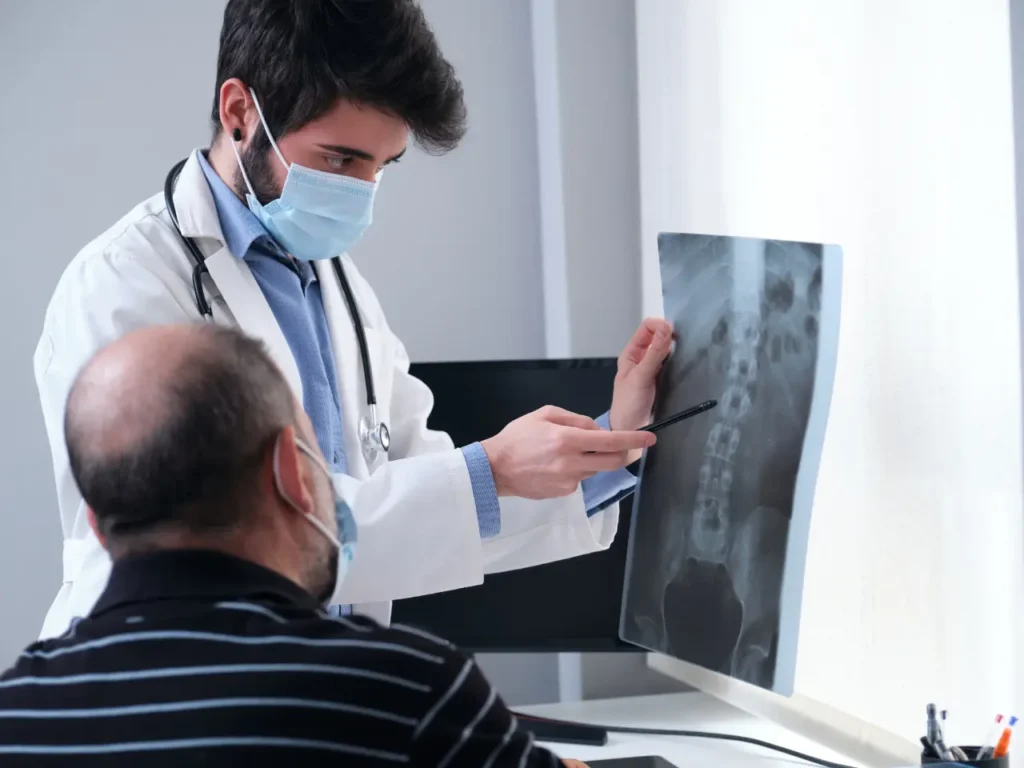
When to Approach a Spine Doctor in Chennai? Maintaining spinal health is crucial for overall well-being, mobility, and a high quality of life. Spine-related issues can often be debilitating, impacting day-to-day activities and leading to chronic pain if left untreated. When spine problems arise, it’s essential to seek timely medical attention. In Chennai, Dr. Vignesh Pushparaj is a renowned spine surgeon offering expert diagnosis and treatment for a wide range of spinal conditions. This article provides guidance on when to approach a spine doctor and what signs and symptoms should prompt a visit. Why Spine Health is Essential for Overall Well-Being? The spine plays a pivotal role in maintaining the body’s structure, flexibility, and balance. Any disruption in its function can lead to severe pain, limited mobility, and other health issues that affect daily life. If untreated, spinal problems can worsen over time, leading to more complex medical conditions. Regular check-ups and prompt attention to spinal health are key to preserving mobility and preventing potential complications. Signs and Symptoms Indicating You Need to See a Spine Doctor When should you get your spine checked? Here are some tell-tale signs that may require the expertise of a spine specialist: Persistent Back or Neck Pain If you experience ongoing back or neck pain that doesn’t improve with rest, heat, or over-the-counter pain medications, it may be time to consult a spine doctor. Chronic pain can signal underlying issues such as herniated discs, muscle strain, or even arthritis. Ignoring these signs can lead to more severe conditions that may eventually require surgical intervention. Weakness, Numbness, or Tingling Sensations Weakness, numbness, or tingling in your limbs—especially in the arms, legs, or lower back—could indicate nerve compression or spinal cord issues. These symptoms might suggest conditions like spinal stenosis or herniated discs. Consulting a spine specialist early can prevent further nerve damage and improve outcomes. Difficulty with Mobility or Balance Difficulty walking, balancing, or coordinating movements may also stem from spinal issues. This symptom can impact your quality of life and, if left untreated, may worsen. Seeing a spine doctor in Chennai can help diagnose the cause and offer solutions to regain control and mobility. Radiating Pain in Limbs Pain that radiates from your lower back to your legs or from your neck to your arms can be due to conditions like sciatica or pinched nerves. Radiating pain often indicates spine-related problems, and timely intervention from a spine specialist is essential to prevent worsening symptoms. Loss of Bladder or Bowel Control In severe cases, spinal problems can lead to loss of bladder or bowel control, which could be a sign of cauda equina syndrome, a medical emergency requiring immediate attention. Seeking a spine specialist promptly is crucial to prevent permanent damage and to maintain control over bodily functions. When to Consider Spine Surgery? Not all spinal conditions require surgery. However, in certain cases, surgery may be necessary to alleviate pain, restore function, or prevent further deterioration. Here are some circumstances when you might need to consider spine surgery: Non-Surgical Treatments Have Been Ineffective If you’ve tried various conservative treatments—such as physical therapy, medication, and rest—without significant improvement, it may be time to explore surgical options. Spine surgery can provide long-term relief, particularly when other methods fail. Severe Spinal Deformities or Structural Issues Conditions such as scoliosis, herniated discs, or spinal stenosis can sometimes require surgical correction to restore the spine’s alignment and function. In such cases, spine surgery is considered to alleviate pain, improve mobility, and maintain structural integrity. Nerve Compression Leading to Severe Symptoms Severe nerve compression due to disc herniation or spinal degeneration can cause intense pain, weakness, and numbness. Surgery may help relieve this pressure and prevent permanent damage. For example, a discectomy or laminectomy can be effective in decompressing nerves and relieving symptoms. Types of Spine Surgeries Performed by Top Spine Surgeons in Chennai Dr. Vignesh Pushparaj, one of the top spine surgeons in Chennai, specializes in various types of spine surgeries tailored to each patient’s unique condition and needs. Minimally Invasive Spine Surgery This approach involves smaller incisions, leading to faster recovery times, less pain, and minimal scarring. Minimally invasive techniques are increasingly popular for spine surgeries, offering patients a quicker return to normal life. Spinal Fusion Surgery Spinal fusion is performed to stabilize and join two or more vertebrae, preventing painful movement in cases of severe arthritis or instability. This surgery is ideal for patients needing permanent spine stabilization. Disc Replacement Surgery Artificial disc replacement is a newer alternative to spinal fusion, allowing patients to retain mobility at the affected level. It is often recommended for patients with degenerative disc disease and offers a faster recovery with maintained flexibility. Laminectomy and Discectomy These procedures are designed to relieve pressure on compressed nerves by removing part of the bone (laminectomy) or a portion of a herniated disc (discectomy). They are commonly used to treat conditions like spinal stenosis or herniated discs, where nerve compression causes significant pain. Choosing the Right Spine Doctor in Chennai Finding the right spine specialist is essential for effective treatment. Here’s what to look for in a spine surgeon: What to Look for in a Spine Surgeon- Experience: Look for a spine surgeon with extensive experience in both minimally invasive and traditional spine surgeries. Reputation: Patient testimonials and success rates are important indicators of a surgeon’s reliability and expertise. Top 5 Spine Surgeons in Chennai Dr. Vignesh Pushparaj is highly respected in the field, known for his expertise in complex spine surgeries and minimally invasive techniques. When searching for the best care, other reputable spine surgeons in Chennai can also be considered, ensuring you have access to top-tier spine care. Why Dr. Vignesh Pushparaj is Among the Best? Dr. Vignesh Pushparaj’s extensive experience and patient-centered approach set him apart. As one of the top spine surgeons in Chennai, he offers comprehensive care and a range of surgical and non-surgical treatments to address each patient’s needs. His commitment to achieving the best outcomes makes him a
How to Prepare for Spine Tumor Surgery?

Preparing for Spine Tumor Surgery: A Complete Guide By Dr. Vignesh Pushparaj, Best Spine Tumors Surgeon in Chennai Spine tumor surgery is a critical procedure that can significantly improve quality of life for patients dealing with spinal tumors. Whether benign or malignant, spinal tumors can cause debilitating pain, neurological symptoms, and even disability. Preparing for such a surgery is essential to ensuring the best possible outcome. In this guide, we’ll cover everything you need to know about preparing for spine tumor surgery, including the different types of spinal tumors, their causes and symptoms, the risks involved, and how to prepare both physically and mentally for the procedure. Types of Spinal Tumors There are several types of spinal tumors and understanding which type you have is crucial for determining the right treatment approach. These include: Intramedullary Tumors: These tumors originate within the spinal cord itself. Common examples include astrocytomas and ependymomas. Extramedullary Tumors: These develop outside the spinal cord but still within the protective membranes surrounding it (the dura). Common types include meningiomas and schwannomas. Metastatic Spinal Tumors: These are cancerous tumors that have spread to the spine from other parts of the body, such as the lungs, breasts, or prostate. Causes of Spinal Tumors Primary spinal tumors: The exact cause of primary spinal tumors is often unknown, although genetic factors may play a role in some cases. Secondary or metastatic tumors: These tumors are caused by cancers that have spread to the spine from other parts of the body. Common primary cancers that metastasize to the spine include lung, breast, and prostate cancers. Symptoms of Spinal Tumors Persistent Back Pain: This is often the first symptom. Pain may be localized or radiate to the limbs, depending on the tumor’s location. Neurological Symptoms: These include numbness, tingling, weakness in the arms or legs, or loss of motor control. Difficulty Walking: Tumors that press on the spinal cord can lead to mobility issues. Bladder and Bowel Dysfunction: In severe cases, spinal tumors can interfere with nerve signals controlling bladder and bowel functions. Preparing for Spine Tumor Surgery Consultation with Your Spine Surgeon The first step in preparing for spine tumor surgery is to have a thorough consultation with your surgeon. Dr. Vignesh Pushparaj, the leading spine tumors surgeon in Chennai, will review your medical history, assess your tumor through imaging tests, and explain the surgery’s goals and risks. During this consultation, be sure to ask questions such as: What type of spinal tumor do I have? What is the main goal of the surgery? What are the potential risks, and how will they be managed? What can I expect during recovery? How Dangerous is Spinal Tumor Surgery? Spine tumor surgery, like any major surgery, carries risks. The most common risks include: Infection: Proper care before and after surgery reduces this risk. Nerve damage: The tumor’s proximity to nerves makes this a concern, but an experienced spine surgeon in Chennai like Dr. Vignesh Pushparaj minimizes the risk. Complications from anesthesia: Patients with other health issues may face complications from anesthesia, but your doctor will assess your overall health before surgery. While these risks are real, surgery offers significant benefits, including pain relief, preservation of nerve function, and prevention of further deterioration. Pre-Surgery Tests and Assessments To ensure you’re in the best shape for surgery, you may undergo several preoperative tests, including: MRI or CT scans to assess the tumor’s size and location. Blood tests to check for infections or other issues that could affect surgery. Neurological exams to establish a baseline for nerve function, which will be monitored after surgery. Medications and Health Considerations Review all medications with your doctor. You may need to stop blood thinners or other medications that can interfere with surgery. If you have existing health conditions such as diabetes, hypertension, or heart disease, these will need to be carefully managed before surgery. Consider lifestyle changes such as quitting smoking, which can improve recovery outcomes. Psychological Preparation Surgery can be daunting, and it’s normal to feel anxious. Address any fears with your surgeon, and don’t hesitate to seek counseling or support groups if needed. Preparing mentally for the surgery can make a big difference in how you handle recovery. Day Before the Surgery: Key Preparations Fasting and Medication Guidelines Your surgeon will provide specific instructions, but typically, you should: Avoid food and drink for 8-12 hours before surgery. Take any prescribed medications as directed. Packing for the Hospital Prepare a small bag with essentials, including: Comfortable clothing for your hospital stays. Personal hygiene items. Books, a tablet, or other devices to help pass the time. Final Pre-Surgery Instructions Make sure you have transportation arranged for your hospital admission and discharge. Double-check your surgery time and arrive early to complete any remaining paperwork. What to Expect During Spine Tumor Surgery The Surgical Process On the day of surgery, you’ll be placed under general anesthesia. Your surgeon will access the tumor either from the front (anterior) or back (posterior), depending on its location. The goal is to remove as much of the tumor as possible without damaging surrounding healthy tissue. Post-Surgery Monitoring After surgery, you will be closely monitored in the recovery room. Your doctor will assess nerve function, pain levels, and ensure there are no immediate complications. Post-Surgery Recovery and Rehabilitation Spine Tumor Surgery Recovery Time Recovery times can vary depending on the complexity of the surgery and the location of the tumor. Typically: Hospital stays: 3-7 days. Initial recovery: Pain management and physical therapy to regain mobility. Long-term recovery: Full recovery can take several weeks to months, depending on the extent of nerve involvement. Follow-Up Care Regular follow-up appointments will be necessary to monitor your recovery and check for any signs of tumor recurrence. Imaging tests may also be scheduled as part of your post-surgery care plan. Physical Therapy and Rehabilitation Physical therapy will be a crucial part of your recovery, helping you regain strength, mobility, and coordination. Your therapist will create a personalized plan to address your