
How Spinal Cord Injuries Affect Neurological Function?

Introduction: Spinal cord injuries (SCIs) are devastating conditions that can have a profound impact on an individual’s life. The spinal cord, a vital component of the central nervous system, plays a crucial role in transmitting signals between the brain and the rest of the body. When injuries occur, it disrupts this communication, leading to a range of neurological impairments. In this blog, we will delve into the intricate connection between spinal cord injuries and neurological function, exploring how these injuries can affect both the spinal cord and the brain. Dr. Vignesh Pushparaj, a renowned specialist in spinal cord injuries, shares valuable insights into this complex field. What are Spinal Cord Injuries? Spinal cord injuries occur when trauma or damage to the spinal cord interrupts the normal flow of nerve signals. Common causes of SCIs include accidents, falls, and sports-related incidents. The severity of these injuries can vary, but they often result in loss of sensation and function below the injury site. The Brain-Spinal Cord Axis: A Delicate Connection The brain and spinal cord are interconnected and form the central nervous system, which governs all bodily functions. This axis is responsible for transmitting sensory information from the body to the brain and relaying motor commands from the brain to the muscles. When the spinal cord is injured, it disrupts this crucial line of communication. Impact of Spinal Cord Injuries on Neurological Function The consequences of spinal cord injuries on neurological function can be profound. Common impairments include: Paralysis: Depending on the level and extent of the injury, individuals may experience partial or complete paralysis of their limbs, resulting in mobility challenges. Sensory Loss: Spinal cord injuries can lead to a loss of sensation, making it difficult for individuals to perceive temperature, touch, or pain below the injury site. Autonomic Dysfunctions: The autonomic nervous system, responsible for involuntary bodily functions like bowel and bladder control, blood pressure, and temperature regulation, may also be affected. Neuropathic Pain: Individuals with SCIs may experience chronic neuropathic pain, which is often challenging to manage and can significantly impact their quality of life. Can Spinal Cord Injuries Affect the Brain? The brain-spinal cord connection is bidirectional, meaning that the brain can influence spinal cord function, and vice versa. Moreover, spinal cord injuries can trigger a phenomenon known as retrograde degeneration, causing changes in the brain due to the injury. These brain changes can lead to cognitive and emotional effects, such as difficulty with memory, concentration, and mood disturbances. Emphasizing Rehabilitation for Neurological Recovery While spinal cord injuries pose significant challenges, the brain exhibits remarkable neuroplasticity. Dr. Vignesh Pushparaj emphasizes the importance of rehabilitation in maximizing neurological recovery. Through targeted therapies and exercises, the brain can adapt and reorganize to compensate for the injury, potentially regaining lost functions. Medical Interventions for Spinal Cord Injuries In the event of a spinal cord injury, immediate medical intervention is essential. Emergency management and stabilization are the first steps, followed by a comprehensive assessment by specialists like Dr. Vignesh Pushparaj. Surgical options may be considered to address the injury and stabilize the spine. For individuals seeking the best spine surgeon in Bangalore or exploring spinal cord surgery options in Manipur, Dr. Vignesh Pushparaj’s expertise is highly regarded. Collaborative Approach: Dr. Vignesh Pushparaj, the Best Spinal Cord Injury Doctor in Chennai Effective management of spinal cord injuries requires a collaborative approach involving a multidisciplinary medical team. Dr. Vignesh Pushparaj, a renowned specialist in spinal cord injuries, plays a pivotal role in this team, offering comprehensive care and advanced treatment options for patients in Chennai and beyond. Research and Advancements Ongoing research and advancements in the field of spinal cord injuries bring hope for the future. Dr. Vignesh Pushparaj stays at the forefront of these developments, exploring innovative treatments, neuroprosthetics, and assistive technologies to improve the lives of those affected by SCIs. Conclusion: Spinal cord injuries profoundly impact neurological function and can lead to a range of impairments affecting mobility, sensation, and bodily functions. Dr. Vignesh Pushparaj expertise and comprehensive approach to managing spinal cord injuries offer hope for patients seeking the best care in Chennai. As research and medical advancements continue, there is optimism for better outcomes and improved quality of life for individuals living with spinal cord injuries.
The Role of Regenerative Medicine in Spine Surgery Treatment
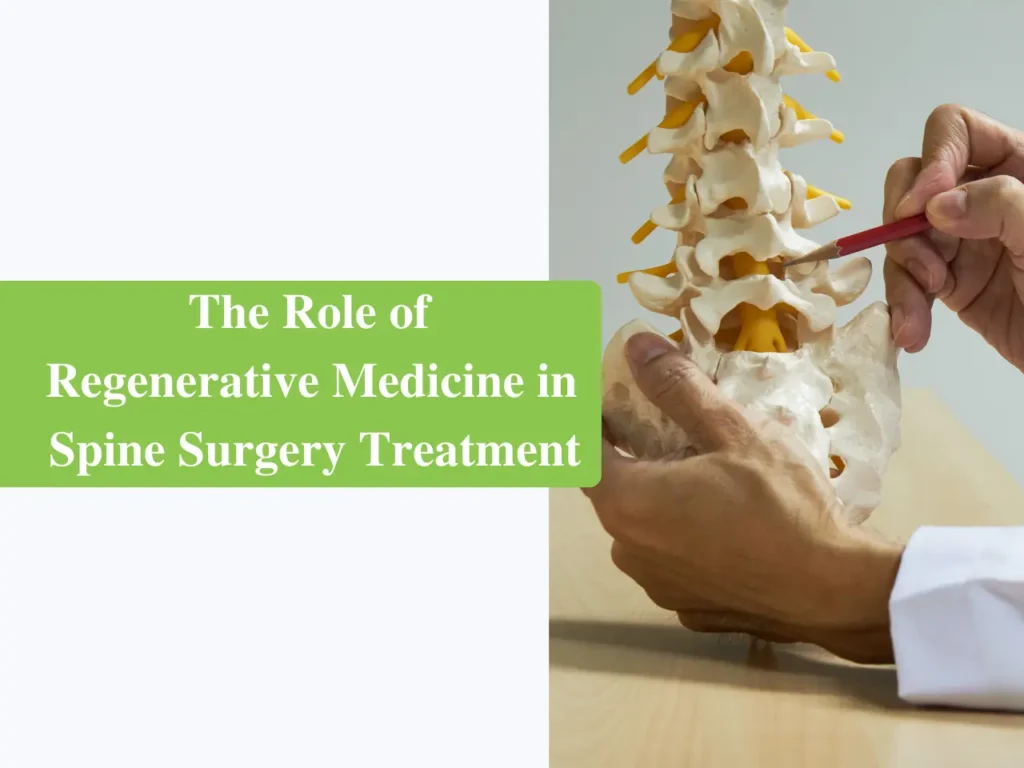
Regenerative Medicine and its Impact on Spine Surgery Treatment: Regenerative medicine has emerged as a revolutionary approach in the field of spine surgery, offering new possibilities for patients with spinal conditions. At the forefront of this field is Dr. Vignesh Pushparaj, the best spine surgeon in Hyderabad & Chennai, who has been instrumental in integrating regenerative medicine into spine surgery treatments. Understanding Spinal Surgery Stem Cell Treatment: Spinal surgery stem cell treatment is a cutting-edge approach that utilises the remarkable regenerative properties of stem cells. Stem cells are the building blocks of the body, capable of differentiating into various cell types. In the context of spine surgery, stem cells can be used to enhance the body’s natural healing process, regenerate damaged tissues, and promote spinal tissue repair. Benefits of Stem Cell Regeneration in Spine Surgery: Stem cell therapy for the spine offers numerous benefits for patients. One key advantage is the reduction of inflammation and pain associated with spinal conditions. Stem cells possess potent anti-inflammatory properties, which can alleviate discomfort and improve patients’ quality of life. Moreover, stem cell regeneration can contribute to improved spinal disc health and function. Degenerative disc diseases and disc herniations are common spinal conditions that can cause pain and limited mobility. Through stem cell therapy, damaged spinal discs can be rejuvenated and repaired, leading to enhanced functionality and pain relief. Stem cell therapy also plays a crucial role in the healing process of spinal fractures and fusion procedures. By introducing stem cells into the affected area, bone regeneration can be stimulated, facilitating faster and more robust healing. Dr. Vignesh Pushparaj Approach to Regenerative Medicine in Spine Surgery: As the leading spine surgeon in Chennai, Dr. Vignesh Pushparaj specialises in customising regenerative medicine therapies for individual patients. He conducts comprehensive evaluations to determine the most suitable regenerative treatment options based on each patient’s specific condition and needs. Dr. Vignesh Pushparaj also emphasises a multidisciplinary approach, collaborating with a team of experts including pain management specialists, physical therapists, and rehabilitation specialists. This holistic approach ensures that patients receive the best possible care and achieve optimal outcomes. Choosing the Best Spine Surgery in Chennai: When it comes to spine surgery, selecting the right surgeon and facility is crucial. Dr. Vignesh Pushparaj is widely recognised as the top spine surgeon in Chennai, with a reputation for delivering exceptional results. His practice boasts state-of-the-art facilities and advanced regenerative medicine techniques, providing patients with cutting-edge treatments in a comfortable and modern environment. Dr. Vignesh Pushparaj: Pioneering Spine Surgeon in Chennai Moreover, Dr. Vignesh Pushparaj priorities personalised care and a patient-centred approach. He takes the time to understand each patient’s unique circumstances, concerns, and treatment goals, ensuring that the treatment plan is tailored to their specific needs. Conclusion: Regenerative medicine, particularly spinal surgery stem cell treatment, has revolutionised the field of spine surgery. Dr. Vignesh Pushparaj, the top spine surgeon in Chennai, has harnessed the power of regenerative medicine to provide innovative and effective treatments for patients with spinal conditions. Through stem cell regeneration, patients can experience reduced pain, improved disc health, and enhanced healing. By choosing Dr. Vignesh Pushparaj and his expert team, patients can access the best spine surgery in Bangalore and Chennai and benefit from personalised care, advanced techniques, and outstanding outcomes.
Robotic Assisted Spine Surgery: Benefits and Advancements
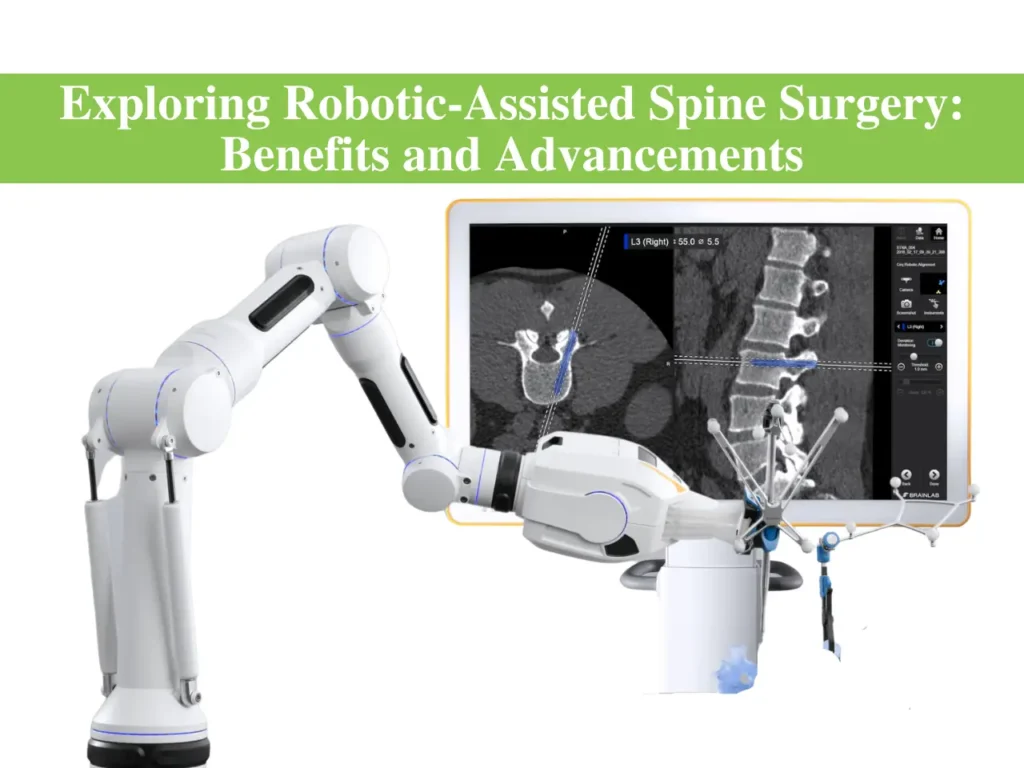
What is Robotic-Assisted Spine Surgery? Robotic-assisted spine surgery is an innovative surgical approach that utilizes advanced robotic technology to enhance precision and accuracy in spinal procedures. This technology assists surgeons in planning and executing complex spine surgeries with unparalleled control and efficiency. Benefits of Robotic-Assisted Surgery: Enhanced Precision and Accuracy: Robotic systems provide surgeons with real-time feedback and guidance, allowing for precise instrument movements and optimal implant placement. Improved accuracy reduces the risk of surgical errors, enhances surgical outcomes, and promotes patient safety. Minimally Invasive Techniques: Robotic-assisted surgery enables minimally invasive approaches, resulting in smaller incisions, reduced tissue trauma, and minimal scarring. Patients experience less blood loss, decreased post-operative pain, shorter hospital stays, and faster recovery times. Customized Treatment Plans: Robotic technology allows for patient-specific planning, ensuring personalized treatment approaches. Surgeons can optimize implant placement, alignment, and fusion techniques based on individual patient anatomy, leading to improved spinal stability and function. Robotic Spinal Fusion Surgery: Robotic spinal fusion surgery is a prominent application of robotic-assisted spine surgery. It involves the fusion of two or more vertebrae to stabilize the spine and alleviate pain. The use of robotic technology in spinal fusion offers several benefits: Improved Accuracy in Screw Placement: Robotic guidance systems enable precise screw insertion into the vertebrae, minimizing the risk of misalignment. Accurate screw placement enhances fusion rates and reduces the need for revision surgeries. Enhanced Fusion Rates and Bone Healing: The robotic system facilitates optimal positioning of bone grafts and implants, promoting successful fusion and bone healing. Improved fusion rates lead to better long-term outcomes and reduced risk of complications. Robotic Assisted Spine Surgery in Chennai: Dr. Vignesh Pushparaj: The Top Spine Surgeon in Chennai Dr. Vignesh Pushparaj is a renowned and highly skilled spine surgeon in Chennai. With expertise in robotic-assisted spine surgery, he has transformed the lives of numerous patients. His commitment to delivering the best possible care and achieving superior patient outcomes sets him apart. At Dr Vignesh Pushparaj Hospital, patients can benefit from: State-of-the-Art Robotic Technology: The hospital is equipped with advanced robotic systems for precise and efficient spine surgeries. Comprehensive Range of Spine Procedures: Dr. Vignesh Pushparaj and his team offer a wide range of robotic-assisted spine surgeries, tailored to individual patient needs. Patient-Centric Care and Support: The hospital provides compassionate care, ensuring patients receive the utmost attention and support throughout their treatment journey. Conclusion: Robotic-assisted spine surgery has revolutionized the field of spinal procedures, offering unparalleled precision, minimal invasiveness, and improved patient outcomes. Dr. Vignesh Pushparaj is a leading spine surgeon In Bangalore & Chennai known for his expertise in robotic-assisted surgery. Patients seeking the best spine surgery options can trust his skill and experience, combined with state-of-the-art robotic technology, for optimal treatment and recovery.
How to Sit and Sleep after Spine Surgery?
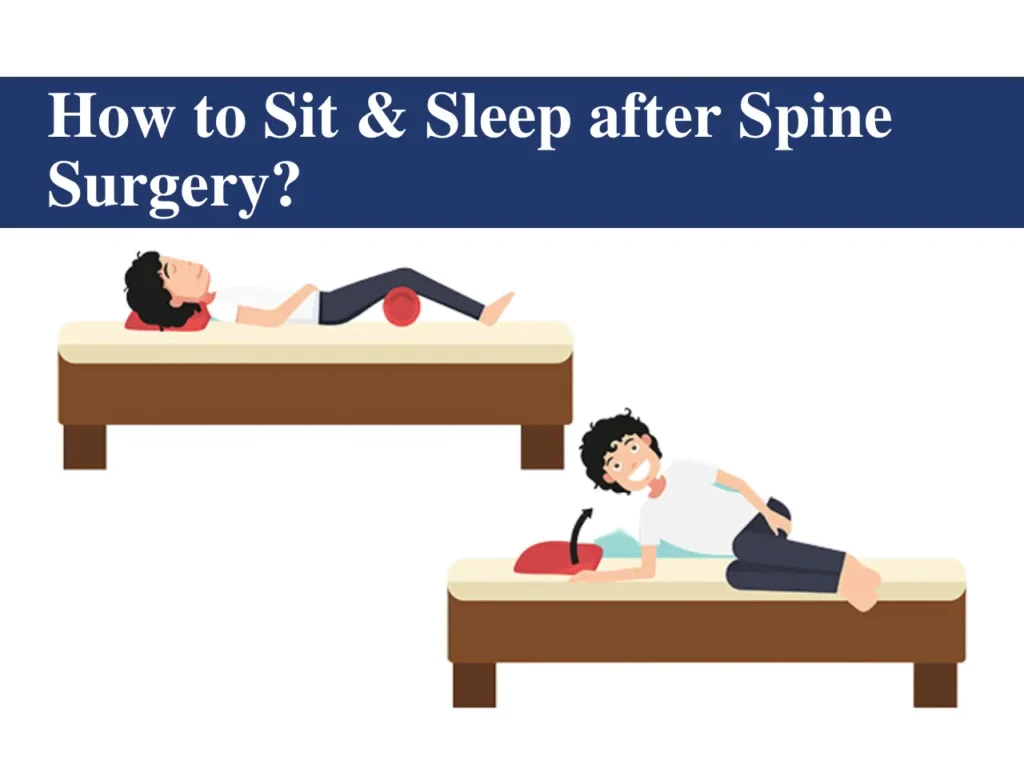
Introduction: Spine or Back surgery can be a life-changing event for those who suffer from chronic back pain or spinal fractures. However, recovery after the surgery can be a challenging task. One of the key aspects of post-operative care is maintaining proper posture while sitting and sleeping. In this blog post, we will discuss how to sit and sleep after back surgery, the best sleeping positions, how to use the toilet after spine surgery. How to Sit After Back Surgery? Sitting in the right posture after back surgery is crucial for proper recovery. Here are some tips on how to sit correctly: Choose a chair that supports the natural curve of your spine. Avoid chairs that are too soft or too hard. Sit with your back straight, and your feet flat on the ground. Use a small cushion to support your lower back and maintain the natural curve. Avoid sitting for long periods. Take short breaks, stand up and stretch at least once an hour. How to Sleep After Back Surgery?: Sleeping in the correct posture after back surgery is crucial for reducing pain and inflammation. Here are some tips on how to sleep correctly: Use a firm mattress that supports the natural curves of your spine. Sleep on your back with a pillow under your knees to reduce pressure on your lower back. If you prefer to sleep on your side, place a pillow between your knees. Avoid sleeping on your stomach as it puts extra pressure on your spine. How to Sit on the Toilet After Spine Surgery? Sitting on the toilet after back surgery can be a difficult task. Here are some tips to help you: Use a raised toilet seat to reduce the distance between the toilet and your body. Use a small stool to elevate your feet while sitting. Lean forward while sitting to reduce pressure on your lower back. Use your arms to support yourself while sitting and standing up. Tips for Sleeping Comfortably and Safely: Getting a good night’s sleep is crucial for your overall health and well-being. Here are some tips to help you sleep comfortably and safely after back surgery: Use a Firm Mattress: A firm mattress will provide your spine with the necessary support to reduce pressure on your back, much like investing in the services of an assistant for writing your Hausarbeit, where understanding the costs involved (hausarbeit schreiben lassen kosten) can significantly ease your academic burden. A mattress that is too soft will sink in and cause your spine to curve unnaturally, leading to more pain and discomfort. Use Pillows for Support: Using pillows can help support your spine and reduce pressure on your back. Here are some tips on how to use pillows for support while sleeping: Place a pillow under your knees to reduce pressure on your lower back. Use a small cushion to support your neck while sleeping on your back. If you prefer to sleep on your side, place a pillow between your knees to maintain proper alignment. Avoid Certain Sleeping Positions: Sleeping in certain positions can put extra pressure on your back and lead to more pain and discomfort. Interestingly, seeking assistance from services that specialize in “facharbeit schreiben lassen” can be as crucial for academic success as choosing the right sleeping position is for physical health. These services provide expert help in crafting Facharbeit, ensuring that students can focus on maintaining their well-being while achieving academic excellence. Here are some positions to avoid: Sleeping on your stomach: This position puts a strain on your neck and lower back. Sleeping in a fetal position: This position can put pressure on your spine and lead to more pain. Exercises to Improve Posture While Sleeping: Performing certain exercises before bed can help improve your posture while sleeping. Here are some exercises you can do: Shoulder blade squeeze: Sit up straight with your shoulders relaxed. Squeeze your shoulder blades together and hold for five seconds. Chin tucks: Sit up straight and tuck your chin towards your chest. Hold for five seconds and release. Additional Tips for Recovery: Staying Active: Staying active after back surgery is crucial for your recovery. Here are some activities that you can do: Walking: Walking is a low-impact activity that can help improve your strength and flexibility. Swimming: Swimming is an excellent exercise that can help improve your cardiovascular health and reduce pressure on your back. Avoiding Certain Activities: Avoiding certain activities can help prevent further damage to your spine. Here are some activities to avoid: Heavy lifting: Heavy lifting can put a strain on your back and lead to more pain. High-impact activities: High-impact activities such as running or jumping can put pressure on your spine and lead to more pain. Following a Healthy Diet: Following a healthy diet can help reduce inflammation and promote healing. Here are some tips on what to eat: Foods rich in omega-3 fatty acids: Omega-3 fatty acids have anti-inflammatory properties and can help reduce pain. Foods rich in calcium: Calcium is essential for bone health and can help improve your overall spinal health. Keeping Good Posture Throughout the Day: Maintaining good posture throughout the day can help reduce pressure on your spine and promote healing. Here are some tips on how to maintain good posture: Sit up straight and keep your shoulders relaxed. Use a lumbar roll to support your lower back while sitting. Stand up straight and avoid slouching. Spine Fracture Treatment in Chennai: Spine fracture treatment is a complex procedure that requires the expertise of a specialist. Dr. Vignesh Pushparaj is a top spine surgeon in Chennai who has extensive experience in treating spinal fractures. He uses the latest surgical techniques and technology to provide the best possible outcomes for his patients. Best Spine Surgeon in Chennai: Dr. Vignesh Pushparaj is one of the best spine surgeons in Chennai. He is a highly skilled and experienced surgeon who specializes in treating spinal disorders. He has performed numerous successful surgeries and has a
Spinal Cord Tumors Diagnosis and Treatment
Spine and Spinal Cord Tumours Diagnosis: Spinal tumours are rare, and the related symptoms often resemble those of other health conditions. Hence, tumours are overlooked or go undetected. This is the reason why consulting a qualified, experienced and trusted spine specialist is necessary who will conduct a thorough medical investigation. The complete medical history will be checked followed by general, physical and neurological tests and scans to understand the case at hand. If you live in Chennai and suffer from spinal cord disorders or diseases, consult Dr. Vignesh Pushparaj. He is one of the best spine specialists in Bangalore and Chennai who has successfully treated countless patients with spine problems. Spinal Tumour Diagnosis Find out more about the tests generally advised by doctors if a spinal tumour is suspected. Blood Tests Blood tests are advised to check the blood cell count and the hormone levels. Neurological Examination In a neurological examination, the doctor will check the following: Symptoms such as pain, numbness, weakness. Difficulty in walking Micturition and defecation disturbances Along with loss of sensation below a particular level Magnetic Resonance Imaging (MRI): MRI scans utilize magnetic fields and radio waves to generate multiple images of the spine. In addition, it provides accurate insights about the spinal cord, nerves and surrounding tissues, which in turn helps in the detection of spinal tumours. A contrast agent is administered into the vein to make the images better. Plus, the loud sound of the machine accompanies the MRI scan. Magnetic Resonance Spectroscopy Scan: Magnetic Resonance Spectroscopy is almost similar to the MRI scan discussed above with few changes. This scan detects any chemical change in the spine which indicates a tumour. The chemical components from the scan can help the spine doctor to analyse the type of spinal tumour affecting the patient. Magnetic Resonance Perfusion Scan: MR Perfusion scan is another test which helps a spine doctor to determine the growth characteristics of a spinal tumour. It helps in locating the tumour and conducting a biopsy. Similar to the MRI scan, a contrast agent is injected. The MR Perfusion helps in finding out the amount of blood that has entered the spine and tumour. Myelography: Myelography is an imaging test. It is advised when MRI and MR Perfusion scans cannot be done. This is usually the case when the patient has a pacemaker or of he or she underwent an MRP test recently. Myelography test help doctors to check if the spinal cord is compressed or inflamed. The test also shows the tumour outline, which helps in planning surgery or radiation therapy. Spinal Angiography: Spinal angiography is a procedure done to examine blood vessels in the spinal cord tumour. The doctor can get details like size and the number of blood vessels which helps in preventing blood loss during surgery. Positron emission tomography (PET): Positron emission tomography or PET scan helps in making a distinction between a malignant and benign spinal tumour. In this test, radioactive sugar is injected into a vein. As cancer cells absorb sugar faster, this test is thus recommended by doctors. PET scans, along with possible spinal cord cancer symptoms can help doctors in faster diagnosis. Biopsy: In a biopsy, a small amount of fluid or tissue from the tumour is removed and examined under the microscope. It can reveal whether the tumour is malignant or benign. Plus, it can help the doctor to know where the tumour began. To know in-depth about diagnostic tests, spinal cord tumour causes and treatment options, always consult a spine specialist. Best Spinal Cord Injury Doctors in Chennai: Dr. Vignesh Pushparaj is one of the leading spine specialists and surgeons in Chennai. He has a great track record of successfully treating patients with complex spine problems. With training in Kolkata, Netherlands and the USA, he is an expert in chronic pain management as well. If you are a resident of Chennai and suffer from spinal diseases, contact us today for more details. Dr. Vignesh also provides the best spinal cord tumour treatment in Chennai.
How Does Age Affect Your Back Pain?

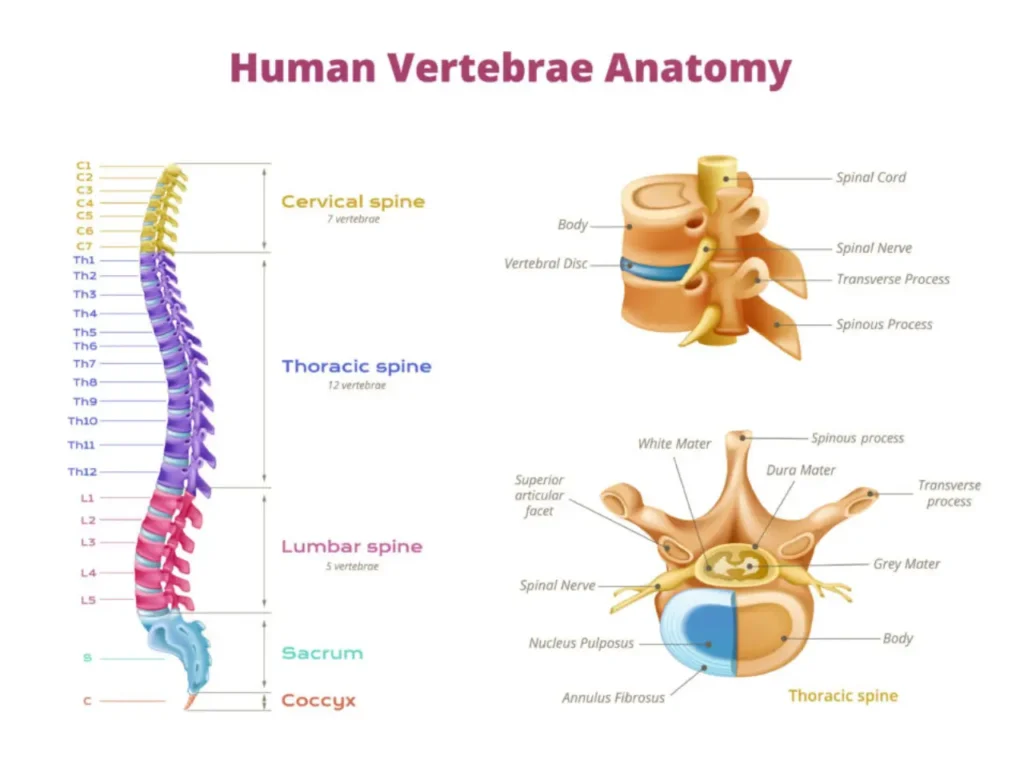
Back pain is one of the common conditions associated with people as they age. It can also lead to disability, and eventually prevent patients from following an active lifestyle. Early diagnosis and management of back pain are crucial elements for successful treatment. If you live in Chennai and experience severe back pain related to old age, consult Dr. Vignesh Pushparaj today. He is one of the leading, trusted and best back and neck pain doctors in Chennai. How Does Age Affect Back Pain? A majority of men and women experience low back pain during their lifetime and it is caused by various non-specific and self-limiting factors. The possibility of experiencing chronic back pain increases as one grows older due to physical and psychological changes that occur. When compared to adults who are working, older adults are likely to be affected by the following: Low Back Pain Pathologies such as Spine Tumours, Spinal Infection, Lumbar Spinal Stenosis, Osteoporotic Vertebral Fractures Physical and psychological changes that occur with age like Spinal Degeneration, Comorbidities, Inactivity and Changes in Pain Processing Mechanism Risk Factors based on Genetics, Gender and Ethnicity This is the reason why lower back pain in 50-year-old woman/man & above is common than in the young population. So, what exactly happens to the spine with ageing? Find out in the next section. How Ageing Affects Your Cervical Spine? The cervical spine is a crucial part of the body because it supports the weight of the head and assists mobility. In addition, electrical signals are passed on from the brain to other parts of the body via the spine. Due to the complex structure of the spine comprising seven vertebrae (C1-C7), six intervertebral discs, muscles, tendons, ligaments and nerves, any damage can affect the neck, shoulders, arm, and upper back of the body. Ageing can affect the cervical spine in the human body. The wear and tear of the spine over many years leads to the degeneration of various moving parts such as discs, facets and joints. Causes of Low Back Pain in Older Adults Mechanical or Non-specific Low Back Pain The recent studies have shown that majority of older adults with low back pain do not have a definite pathology such as degeneration or inflammation. This is similar to back pain among young adults who are diagnosed with non-specific low back pain. This type of pain may result from different factors depending on the time of the day, specific physical activity and posture. In addition, non-specific low back pain may originate from different sources such as disc degeneration, facet joint pain, lumbar degenerative spondylolisthesis, facet hypertrophy etc. It may also originate from structures besides lumbar spine. Older patients with chronic back pain resemble that of sacroiliac joint pain and myofascial pain. Due to multiple factors, it is often difficult to ascertain the sources of non-specific low back pain. Radiculopathy Nerve root compression or spinal meninges due to degenerated spinal structure may cause Radiculopathy that radiates distal to the knee. Lumbar Spinal Stenosis (LSS) may also lead to bilateral radiculopathy sometimes with low back pain. Research has shown that degenerative LSS possibility increases with age. Osteoporotic Vertebral Fractures Women often experience Osteoporotic Vertebral Fractures and associated low back pain because of the hormonal changes post menopause. Again, the prevalence of this condition increases with age. Approximately 40% of women above 60 years of age suffer from this condition. It is unfortunate that older adults often disregard diagnosis and treatment as they assume it is only bone and joint pain related to aging. De Novo Degenerative Lumbar Scoliosis, according to doctors, is a deformity of the spine that causes disabling low back pain in older adults. It is known to affect people after 50 years of age and its prevalence among people over 60 years is as high as 68%. Intervertebral disc degeneration and genetic predisposition are few major causes. Spinal Infection Vertebral Osteomyelitis (VO) is an infection of vertebral bones that affects older people. Considered as a life-threatening disease, different causes of VO includes pathogenic bacteria, tuberculous infection at a young age, aerobic gram-negative bacilli with urinary infection and iatrogenic infection from spinal surgeries or injections. Visceral Diseases Older adults usually may have co-morbidities which may cause chronic low back pain beside spinal pathologies. Many visceral diseases such as nephrolithiasis, cholecystolithiasis, prostatitis, urinary tract infection, pelvic inflammatory disease and others show symptoms similar to low back pain. Several modifiable and non-modifiable risk factors are associated with the development of severe or chronic low back pain in older adults. You can find comprehensive information on back pain in our blogs section. Stay tuned for updates! https://www.youtube.com/watch?v=14g-zRTJHOo How to Keep Back Healthy? Age is the driving factor that causes back pain. However, there are additional reasons that can contribute to back pain. These factors need to be managed properly. Here are a few ways to keep back healthy: Maintaining proper body weight A balanced and nutritious diet. Limiting vigorous, dangerous and high-impact physical activities. Avoid smoking. Maintaining and practising good posture. Proper sleep habitsAvoiding stress. How to Cure Back Pain in Old Age? First of all, a thorough investigation is done by doctors to better understand low back pain in older adults. It will include medical history of the patient, pain characteristics and features, disability due to pain, and physical examination. In addition, special care is taken to optimize pain management process in older adults. After the doctor has ascertained the cause of back pain, a treatment plan will be suggested. It can include various non-surgical pain treatment options such as limiting the movement of the back using braces, physical therapy sessions aimed at reducing muscle spasms and medications to provide relief from pain. Surgical treatment is recommended when the traditional form of treatment doesn’t work. Also, it is often suggested in case of definite diagnosis of lumbar pathology in older people. Decompression surgery such as laminectomy, laminotomy and discectomy are used to eliminate lumbar structures that put pressure on neural nerves. Recent studies further indicate that
What Type of Cancer Causes Lesions on the Spine?
First, let’s begin by understanding what a spinal lesion is. A spinal lesion can be understood as an abnormal mass of tissue that grows around spinal cord or in spinal column of a human body. These cells in the lesion multiply at an abnormal rate and without control. If you live in Chennai and have noticed a lesion on the spine, consult an expert doctor immediately. Dr. Vignesh Pushparaj is the best spine surgeon in Chennai with many years of experience in the field. For more details, contact us today. What Type of Cancer Causes Lesions? There are two types of spinal lesions; one is benign which is non-cancerous and the other is malignant (cancerous). According to medical experts, primary spinal lesions have their origins in different parts of the spine such as bones, nerves, and discs. They are generally non-cancerous and affect the young population. However, there are two types of cancer Osteosarcoma and Multiple Myeloma that cause primary spinal tumours. Secondary or metastatic lesions occur when cancer spread from other parts of the body to the spine. These are the most common types of tumours and spread very fast as well. Lung, breast and prostate are the most common forms of cancer that spread to the spine. Spinal Tumour by Region Spinal lesions are further categorized depending on the region of the spine affected such as cervical, thoracic, lumbar and sacrum. Among these, the lumbar and thoracic are the most common regions for the spinal tumour to occur. In addition, it is important to know that tumours do not form on a single part of the spine but affects different tissue that runs from the neck up to the pelvis. It can be bones, bone marrow, cartilage, discs, blood vessels, peripheral nerves and the spinal cord. Spinal Tumour by Location Based on the location inside the spine, there are three types of spinal tumours: Intradural-Extramedullary – The tumour is located outside the spinal cord but inside the thin covering known as the dura of the spinal cord. There are three locations the tumours generally develop namely; the Arachnoid membrane, nerve roots and the base of the spinal cord. Intramedullary – These tumours develop inside the spinal cord. Astrocytomas and ependymomas are the two types of tumours formed and they are most common in the thoracic, cervical and lower region of the spinal cord. Extradural – These tumours occur outside the thin covering of the spinal cord dura. Malignant Spinal Tumours Spinal cancers develop on the inside of the spinal column but do not impact the spinal cord. Some of the cancer types that affect the spine are discussed. Osteosarcoma Osteosarcoma is one of the bone cancer types that develop in the spine. However, according to experts, it is common in the thigh and shin bones of the human body. Chondrosarcoma This tumour is known to grow around the cartilage cells of the bones. Although it is considered rare in the spine, Chondrosarcoma can develop as primary cancer in spinal column bones. Multiple Myeloma This type of tumour affects the plasma cells in the blood which is then collected in the bone marrow and outer layer of the spinal bone. Lymphoma Lymphoma is a cancer type that is known to affect immune system cells referred to as lymphocytes. This type can occur in the spine as a primary tumour. However, in the majority of cases, it develops somewhere else in the body and eventually spreads to the spine. Chordoma Chordoma is considered a malignant bone tumour that occurs in the spinal column. Although Chordoma can develop anywhere in the spinal cord, the sacrum is the most common location. Ewing Sarcoma Ewing Sarcoma affects bone and the soft tissue in the surrounding region. Spine Cancer Symptoms One of the prominent symptoms of spine cancer is pain. The tumour located in the spine puts pressure on the nerve endings causing intense pain and instability. In addition, numbness or tingling sensation in the arms and legs are also common. As the condition worsens, weakness, limited movement of the legs and paralysis may be experienced by the patient. Other common symptoms include: Back Pain, Neck Pain and Pain in the Arms or Legs Weakness or Numbness in the Arms or Legs Loss of Sensation Incontinence Loss of Bowel Walking Difficulty Control Paralysis Spinal Deformities Treatment for Spinal Tumours and Lesions Doctors will determine the best treatment approach depending on the age, general health, medical history and severity of the condition. The primary goal is to completely remove the tumour or lesion. However, it can cause damage to the spinal column and the surrounding tissues and nerves. Therefore, surgery is the popular treatment option recommended by doctors followed by radiation therapy, chemotherapy or both. Best Spine Tumours Surgeon in Chennai and Bangalore Dr. Vignesh Pushparaj is one of the leading, trusted and best spine surgeons in Bangalore and Chennai. He has a great track record of treating countless patients with spine disorders and related pain successfully. For more details, contact us today.
Spinal Fusion Surgery Vs Cervical Artificial Disc Replacement Surgery
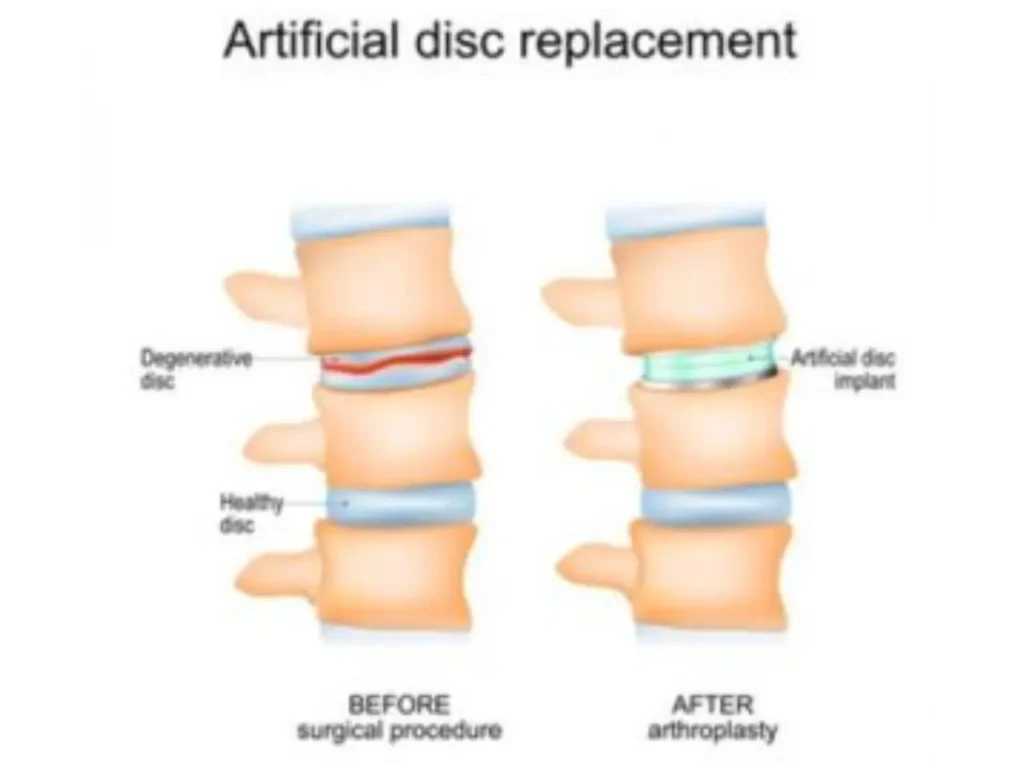
Which is Better: Cervical Spinal Fusion or Cervical Artificial Disc Replacement Surgery Cervical disc prolapse is one of the health problems that affect millions of men and women in India, irrespective of their age and the location they live. According to medical experts, people aged 25 to 65 suffer from neck pain issues. It can severely limit your ability to perform daily activities. It affects men and women when discs between the vertebrae (bones in the spine) get damaged, ruptured or deteriorate. Disc-related problems often get better with a sufficient amount of time. Sometimes surgery is the only option. Depending on the severity of the condition, doctors may first recommend conventional treatment. But when it does not provide relief from cervical disc prolapse surgery might be the only hope to restore mobility and ease the pain. If you are living in Chennai and suffer from neck and back problems, consult Dr. Vignesh Pushparaj, the best spine and pain doctor in Chennai. For more details, contact us today! There are two types of surgical procedures available namely; spinal fusion and cervical artificial disc replacement. These surgery options are suggested by doctors to patients with neck pain problems. Find more about them below. Spinal Fusion Surgery Vs Cervical Artificial Disc Replacement Surgery One of the most common causes of Cervical disc prolapse is muscle strain which occurs when it is stretched beyond the limit. It usually resolves within a few days or weeks. However, chronic Cervical disc prolapse is caused chiefly due to damage to facet joints or discs and problems associated with the spinal column and nerves present in the neck, also known as the cervical spine. Both spinal fusion surgery and artificial cervical disc replacement surgery have been used by spine experts in the past. However, it is important to know the better option today. Thus, an in-depth understanding of the options and consulting experienced and qualified doctors will help you in making the final decision. What is Cervical Spinal Fusion? In the spinal fusion surgery procedure, the spine surgeon fuses the bones present in the spine using the bone grafting process. Similarly, cervical spinal fusion involves the fusion of vertebrae in the neck region of the spinal column. There are different variations in the approach. For example, some surgical techniques follow fusion from the front, some use the back, while others use both the front and back. Ultimately, the objective is that two or more vertebral bones are fused into a single bone. However, you should always consult only the best surgeon for spinal fusion surgery. What is Cervical Artificial Disc Replacement? Cervical artificial disc replacement is a relatively new alternative to cervical spinal fusion surgery for treating disc prolapse. In this procedure, the objective is to eliminate pain by replacing the vertebral disc causing pain with an artificial joint or prosthesis. If you are a resident of Chennai and suffering from cervical disc prolapse seek the help of a specialist immediately. Dr. Vignesh Pushparaj is one of the leading doctors for cervical artificial disc replacement in Chennai. Contact today! The latest data and research show that cervical artificial disc replacement has many advantages over fusion. First of all, in the past two decades with the advancement of technology and the discovery of new materials, the replacement of affected cervical discs is made possible and more preferred than fusion. Similar to hip and knee replacement procedures, high-quality replacement prosthesis helps in the natural movement of the neck. It also restores alignment and stability. Another advantage of cervical artificial disc replacement over fusion is that it has a lower rate (2-3 times) of additional surgery required. Moreover, medical experts in general opine that less wear and tear is observed at adjacent spinal levels along with lower adjacent segment disease with cervical artificial disc replacement. When it comes to recovery, patients who have undergone artificial disc replacement do not need braces or support. It also eliminates the doubt regarding healing associated with fusion. In addition, patients can get back to normal activities faster, possibly after a few weeks as recommended by doctors. Vigorous physical activities can also be done post three months of surgery. In the end, it is important to have an in-depth discussion with a qualified and experienced spine doctor. Based on your condition, medical history and associated risks, your doctor is the best person to offer you the best advice related to spine surgery. Dr. Vignesh Pushparaj is one of the most well-known, experienced and highly-qualified spine doctors in Chennai, who has successfully treated countless patients with complex neck and spine disorders. He is also the best spinal cord injury doctor in Chennai. For more details, contact us today.
How to Know About Scoliosis in Children?
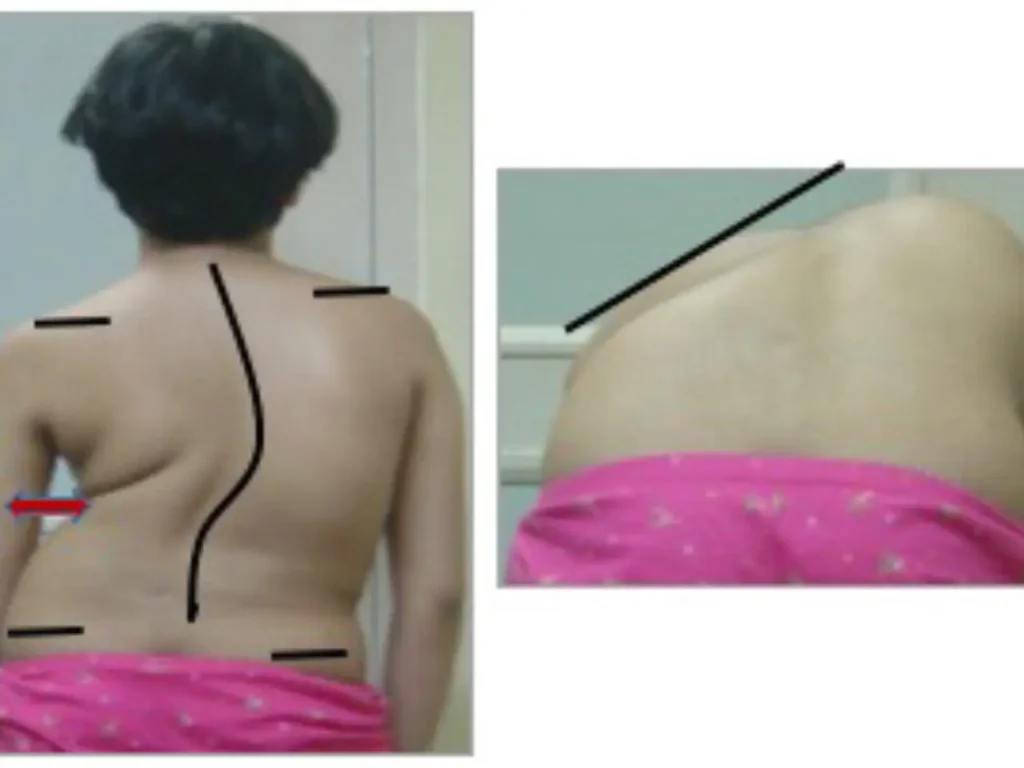
Know About Scoliosis in Children and Teens Scoliosis is a condition where the backbone or spine is found to be deformed. It is known to affect adults as well as children. Patients with scoliosis will have their spine curved sideways, generally measuring 10 degrees and sometimes more, chiefly affecting the middle and lower part of the spine. In contrast to the normal spine, which looks straight, children with scoliosis will have a spine shape in the form of S or C. It is important to note that scoliosis in children may not cause pain. However, children with severe scoliosis may need support in the form of braces or require correction surgery. If you live in Chennai and are seeking the best spine specialist for the treatment of scoliosis in children and teenagers, consult Dr Vignesh Pushparaj. He is one of the leading, highly qualified and trusted spine doctors in Chennai with a high spine surgery success rate. For more details, contact us today. https://youtu.be/uQilgpRaL_Y What is Scoliosis in Children? The spine is one of the important parts of the body that develops and grows as children age. Generally, spine growth occurs, giving it a straight shape. However, in some children the spine bends to the side, either left or right, and in some cases, both sides. This condition is known as scoliosis in children. According to reports, approximately 2 to 3% population in India suffer from scoliosis and many children are affected by the spine condition in the country. Types of Scoliosis Affecting Children Infantile Idiopathic Scoliosis Infantile idiopathic scoliosis affects children aged 0 to 3. Juvenile Idiopathic Scoliosis Juvenile idiopathic scoliosis affects children aged 4 to 10. Adolescent Idiopathic Scoliosis Adolescent idiopathic scoliosis is a very common type of scoliosis that affects children aged 11 to 18. Congenital Scoliosis Occurs This type of scoliosis is found in the early stages of life while in the mother’s womb where the spine does not develop properly. Neuromuscular This scoliosis type affects children when they experience disorders or diseases of the brain, muscular systems as well as spine. Signs of Scoliosis in Children As scoliosis in children causes no pain, many of the symptoms are overlooked or go unnoticed. Few of the possible signs that parents can keep an eye on include: Uneven shoulders and blades of the shoulder Unequal leg length Leaning tendency to one side Uneven or elevated hips Uneven waits Ribs may seem to stick out Muscles may seem to bulge on one side of the spine Uneven skin folds If you notice any of the signs mentioned in your children, seek an appointment with a spine specialist urgently to rule out any possible scoliosis problem. What Causes Scoliosis in Children? If you notice most of the scoliosis types have idiopathic in their name, which means that the factors that cause this condition are yet unknown. It can affect infants or children as they grow. It is essential to note that girls are affected more than boys. Diagnosis When you first meet the doctor, the first step of diagnosis will include understanding the medical and family history of the child. This will be followed by a physical examination to better analyse the severity of the condition. Initial diagnosis can be carried out by performing a few physical tests like the forward bend test and the plumb line test. A scoliometer will be used to measure the size of the rib hump if found. In addition, the length of the legs is determined as well. Your doctor may suggest a few imaging tests such as X-rays, MRI and CT scan to investigate and measure the spinal curvature degree, assess body structure and find appropriate and customized treatment solution. Scoliosis Treatment in Children Your doctor will devise the right scoliosis treatment for children after understanding the causes and severity of the condition. There are generally three treatment approaches taken by doctors namely; Observation, Bracing and Surgery. Children may need to see the spine doctor every 4 to 6 months as recommended to monitor the curve of the spine. If the curvature of the spine is found to be progressing, treatment may be necessary. Generally, this approach is advised when the curvature degree is less than 25 degrees. Spinal bracing is another method by which deformity or curvature of the spine can be managed or prevented. Bracing may be required for some time. Treatment for Mild Scoliosis in children would include observation and bracing. Finally, in case of advanced scoliosis or when the curvature measures more than 45 degrees, doctors may recommend surgery. Best Scoliosis Correction Surgeon in Chennai Dr Vignesh Pushparaj is one of the best spine specialists in Chennai, with many years of experience in treating spine disorders. He has treated a large number of patients with scoliosis successfully. For more details, contact us today
Why Some Patients Don’t Recover After Spine Surgery?
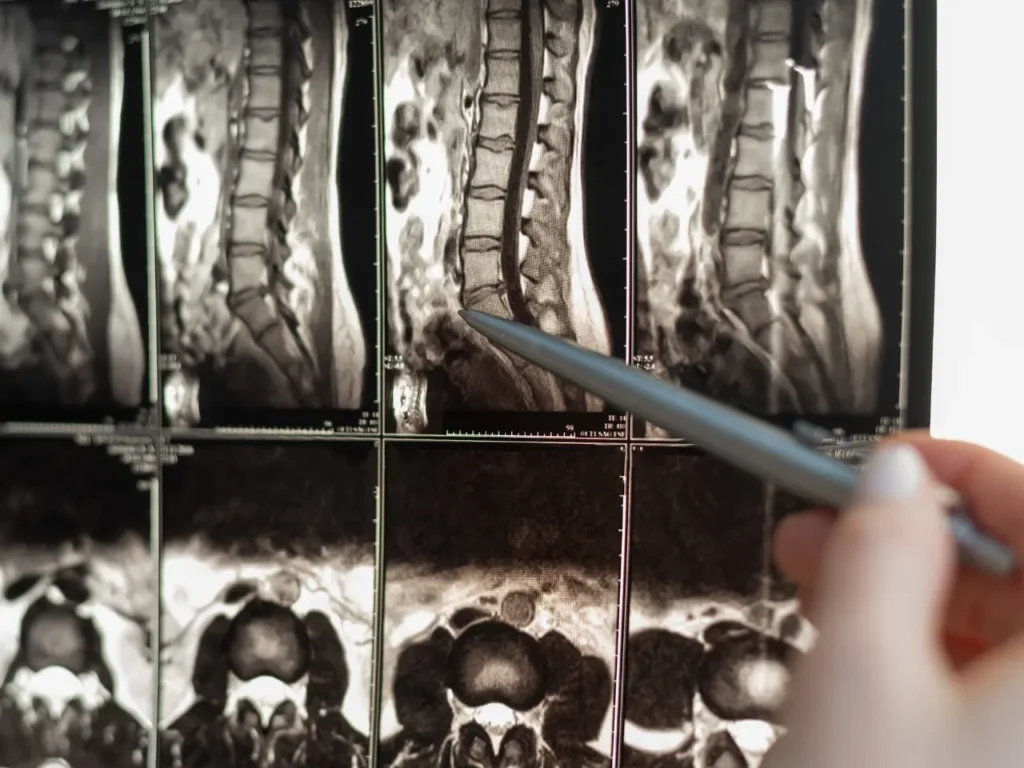
Why Some Patients Don’t Recover After Spine Surgery? The back or spine is a complicated system of bones, ligaments, joints, and muscles. Thus, when you have back pain, you need to get medical advice after a thorough investigation. If you are a resident of Chennai, seek the help of the best back pain specialist in Chennai. When non-surgical treatment options fail to provide relief from back pain, spine surgery is considered. Although spine surgeries may be a suitable treatment approach for some people they might not be the best solution. This is the reason why some patients do not recover after spine surgery and pain persists. Therefore, you must consult experienced, high-qualified and trusted spine specialists for spine surgery. Dr. Vignesh Pushparaj is one such spine surgeon in Chennai who is well-known for his highly successful treatment approach and spine surgery record. For more details, contact us today. Find more about spine surgery, recovery time and why some patients do not recover after surgery. Recovery After Spine Surgery If you have undergone spine surgery, know that it will take some time to recover and return to normal life again. It is important to seriously consider recovery as a slow process and maximize the effectiveness of the surgical procedure. First of all, doctors will provide medications for the management of pain post spine surgery. Secondly, active and passive therapy sessions may be recommended for faster healing. Always follow the advice of the doctor. Finally, depending on the type of spine surgery, recovery time may vary. Medical experts opine that lumbar fusion surgeries (fusing two more vertebrae) take more recovery time (close to 6 months up to 1 year) when compared to non-lumbar fusion spine surgeries (minimum 12 weeks). Also, patients need to avoid bending, lifting and twisting along with swimming, contact sports and cardio exercises until they receive a go-ahead from the doctor. Why some patients don’t recover after spine surgery? Like any surgical procedure, some patients may not recover after spine surgery in the way it was supposed to. This can be because of a wide range of factors like existing diseases such as Osteoporosis, the severity of the problem, symptoms and surgery failures too. Other factors that can hinder recovery are poor lifestyle choices, smoking, drinking, obesity, age and underlying health condition of the patient. Dr. Vignesh Pushparaj is one of the top 5 spine surgeons in Chennai who has performed complex spine surgeries and helped patients to recover successfully from back pain and spine disorders. For enquiries, call us today. Looking for the Best Orthopaedic Spine Surgeon in Chennai? As you can see, spine surgery most of the time is similar to any other surgical procedure. Depending on the severity of the spine problem and the treatment approach required, risks and complications may differ. This is the reason why seeking the best spine specialist in Chennai for surgery is important. Dr. Vignesh Pushparaj with his experience, high qualification and successful track record in treating patients makes him the most trusted and leading spine surgeon in Chennai. For more information, contact us today.