
What is the Success Rate of L4 L5 Surgery?
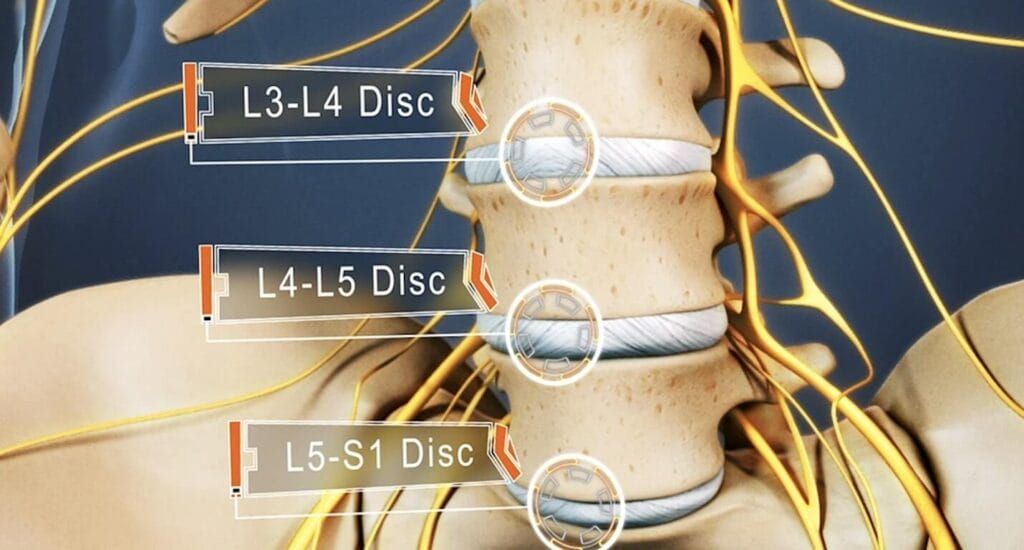
Introduction: Welcome to our comprehensive guide on L4 L5 surgery and its success rates. When it comes to lumbar spine issues, Dr. Vignesh Pushparaj, one of the best spine surgeons in Chennai, stands as a beacon of hope for individuals suffering from L4 L5 disc problems. In this article, we will explore the success rates of L4 L5 surgery, the best treatments for L4 L5 disc bulge, and delve into the factors contributing to a successful surgical outcome. Understanding L4 L5 Surgery The L4 and L5 vertebrae are critical components of the lumbar spine. Surgery at the L4 L5 level is often recommended for various conditions, including disc herniation, stenosis, and instability. Dr. Vignesh Pushparaj, renowned for his expertise, offers different surgical techniques, ranging from minimally invasive procedures to traditional open surgeries. Factors Influencing Success Rates: Patient-specific factors: Age, overall health, and pre-existing conditions significantly influence the success rate of L4 L5 surgery. Dr. Vignesh Pushparaj considers these factors when recommending surgery to ensure the best possible outcome. Surgical technique: The choice between minimally invasive and open surgery can impact success rates. Dr. Vignesh Pushparaj extensive experience and skill as a spine surgeon play a vital role in achieving success. Post-operative care and rehabilitation: Rehabilitation is essential for a successful recovery. Physical therapy and adherence to medical advice are key aspects of Dr. Vignesh Pushparaj post-surgery care plan. Success Rate Statistics: To understand how successful L4 L5 surgery can be, it’s essential to examine the available statistics. Dr. Vignesh Pushparaj’s patients consistently report high success rates, thanks to his precision and commitment to patient care. His success stories are a testament to his expertise. Potential Outcomes and Complications Positive outcomes from L4 L5 surgery include pain relief, improved mobility, and a return to daily activities. However, it’s important to note that complications can occur. Dr. Vignesh Pushparaj ensures that patients are well-informed about both the benefits and potential risks before surgery. Patient Stories and Testimonials Dr. Vignesh Pushparaj patients have shared their stories of triumph over L4 L5 issues, thanks to his expertise and care. These testimonials provide valuable insights into the outcomes of L4 L5 surgery under his guidance. Recovery Time for L4-L5 Surgery Recovery time after L4-L5 surgery can vary from patient to patient, depending on several factors, including the specific procedure performed, the patient’s overall health, and their adherence to post-operative care instructions. It’s essential to understand that while surgery can provide relief and improve the quality of life for individuals with L4-L5 spinal issues, a successful recovery is a critical part of the process. Here’s a general overview of what you can expect during the recovery period after L4-L5 surgery: Immediate Post-Operative Phase: In the immediate aftermath of the surgery, patients typically spend some time in the recovery room to be closely monitored. Pain management and vital signs are closely monitored to ensure a smooth transition from anesthesia. Hospital Stay: The length of your hospital stay will depend on the type of surgery and your individual condition. Minimally invasive procedures may require a shorter hospital stay compared to traditional open surgery. On average, patients may stay in the hospital for a few days to a week. Pain Management: Pain is a common post-operative symptom. Your surgeon will prescribe pain medications to help manage discomfort. Over time, the need for these medications will decrease. Mobility and Physical Therapy: Encouraging mobility and preventing complications is crucial. Physical therapy usually starts soon after surgery. The physical therapist will guide you through exercises and movements that promote healing and strengthen the affected area. Return to Daily Activities: The timeline for returning to your normal activities varies. Some individuals may be able to perform light activities within a few weeks, while others may require a few months. Your surgeon will provide guidance on when it’s safe to resume specific activities like work and exercise. Full Recovery: Achieving a full recovery can take several months. It’s important to be patient and follow your surgeon’s instructions diligently. Returning to high-impact activities, such as heavy lifting or intense sports, may take longer and should only be considered when your surgeon gives the green light. Long-Term Rehabilitation: Even after you’ve resumed your regular activities, it’s essential to maintain a long-term rehabilitation plan. This may include ongoing physical therapy, exercises, and lifestyle modifications to prevent future issues and ensure the longevity of the surgical benefits. Follow-Up Visits: Regular follow-up visits with your surgeon are critical during the recovery period. These visits allow your doctor to monitor your progress, address any concerns, and make adjustments to your treatment plan as needed. It’s worth noting that while surgery can provide significant relief from pain and discomfort associated with L4-L5 spinal conditions, the recovery process is a gradual journey. Each patient’s experience will be unique, and the key to a successful recovery lies in collaboration between the patient and their healthcare team. Alternatives to Surgery In some cases, non-surgical treatments may be preferable. Dr. Vignesh Pushparaj carefully assesses each patient’s condition and recommends the best approach, whether it’s surgery or non-surgical alternatives. Conclusion: L4 L5 surgery success rates are promising when under the care of a skilled and experienced surgeon like Dr. Vignesh Pushparaj, the best spine surgeon in Bangalore. Patients seeking the best treatment for L4 L5 disc bulge can find hope and relief through his expertise. Remember that recovery times for L4 L5 surgery can vary, and it’s crucial to follow post-operative care instructions for the best results. If you are considering L4 L5 surgery or need guidance on your spinal condition, consult Dr. Vignesh Pushparaj, a trusted name in the field of spine surgery in Chennai. Your journey to a pain-free and active life can start with a visit to his clinic.
Spine Disorders in Children

Pediatric Spine Surgery: Common Conditions and Treatment Approaches In the realm of pediatric spine surgery, early intervention and expert care are paramount to address common conditions that impact the spinal health of children. Dr. Vignesh Pushparaj, a distinguished pediatric spine surgeon in Chennai, is at the forefront of providing specialized care to young patients. This comprehensive guide delves into the prevalent pediatric spine conditions and the treatment approaches available, with a particular emphasis on scoliosis surgery in children. Understanding Spine Disorders in Children Pediatric spine surgery is a highly specialized medical discipline focused on diagnosing and treating spinal disorders in children. Given the intricacy of these cases, it is crucial to rely on experienced professionals like Dr. Vignesh Pushparaj for effective management. The Role of Pediatric Spine Surgeons in Chennai Dr. Vignesh Pushparaj is a prominent figure in the domain of pediatric spine surgery in Chennai, offering extensive expertise and experience in managing various spinal conditions in children to ensure their overall well-being and quality of life. Common Pediatric Spine Conditions Scoliosis Scoliosis stands as one of the most common pediatric spinal conditions, characterized by an abnormal lateral curvature of the spine. Dr. Vignesh Pushparaj, a leading specialist in scoliosis surgery for children, provides comprehensive insights into this condition: Causes of Pediatric Spine Conditions Pediatric spine conditions encompass a range of disorders that affect the spinal health of children. Understanding the underlying causes of these conditions is crucial for early diagnosis, intervention, and effective treatment. We’ll explore some common causes of pediatric spine conditions, shedding light on the factors that can lead to spinal issues in children. Genetics Genetics plays a significant role in the development of various pediatric spine conditions. Some children may inherit a genetic predisposition to spinal disorders, making them more susceptible to issues like scoliosis, kyphosis, or spinal deformities. It’s not uncommon for spinal conditions to run in families, highlighting the importance of early screening and monitoring if there is a family history of such issues. Congenital Abnormalities Congenital abnormalities are conditions that occur during fetal development. These anomalies can affect the formation of the spine, leading to conditions like spina bifida, where the spinal column fails to close properly, potentially causing nerve damage. Early detection and intervention are crucial in managing congenital spinal issues. Neuromuscular Conditions Certain neuromuscular conditions can result in spinal deformities in children. Conditions like muscular dystrophy or cerebral palsy can affect muscle tone and balance, potentially leading to spinal curvature or misalignment. Expert care from pediatric spine specialists is vital in managing these cases. Injury or Trauma Accidents and injuries, although less common, can result in pediatric spine conditions. Trauma to the spine, such as fractures or dislocations, can lead to long-term issues if not promptly addressed. Proper assessment and treatment are essential in the aftermath of spinal trauma to prevent lasting consequences. Idiopathic Causes In many cases, the exact cause of pediatric spine conditions remains unknown and is categorized as idiopathic. Scoliosis, for example, is often labeled as idiopathic when no specific cause can be identified. Idiopathic conditions require careful monitoring and individualized treatment plans to manage the condition and its potential progression. Metabolic and Nutritional Factors Nutritional deficiencies or metabolic disorders can sometimes impact the development of the spine in children. Adequate nutrition and addressing metabolic issues are essential to support the healthy growth of the spine and overall skeletal system. Symptoms of Pediatric Spine Conditions Pediatric spine conditions encompass a spectrum of disorders that can impact the spinal health of children. Recognizing the symptoms of these conditions is vital for early diagnosis and prompt intervention, as it allows healthcare professionals and parents to address the issues effectively. We will explore the common symptoms associated with pediatric spine conditions. Back Pain Back pain is one of the most frequent and recognizable symptoms of pediatric spine conditions. Children experiencing persistent or recurrent back pain should be evaluated by a healthcare professional, as it can be an early sign of various spinal issues, including scoliosis or herniated discs. Abnormal Spinal Curvature One of the hallmark symptoms of pediatric spine conditions is the presence of an abnormal spinal curvature. For instance: Scoliosis: Children with scoliosis may exhibit an asymmetrical appearance of the back, with one shoulder or hip higher than the other, causing the spine to curve sideways. Kyphosis: Kyphosis leads to an exaggerated forward rounding of the upper back, giving a hunched appearance. Breathing Difficulties Severe cases of scoliosis can affect the chest cavity and lung function, leading to breathing difficulties. Children with advanced scoliosis may experience shortness of breath or reduced lung capacity. Uneven Shoulders or Hips Uneven shoulders and hips are often observable signs of spinal issues in children. When a child stands or walks, asymmetry in the shoulders or hips may become apparent, indicating the presence of a spinal problem. Visible Spinal Deformity In some cases, a pediatric spinal condition may lead to a visible spinal deformity, which can be observed when the child is sitting or standing. This can cause physical discomfort and self-esteem issues. Muscle Weakness or Numbness Spinal conditions, such as herniated discs, can compress nerves, leading to muscle weakness or numbness in the arms or legs. These neurological symptoms should be evaluated promptly. Difficulty with Mobility Children with certain pediatric spine conditions may experience difficulties with mobility and coordination. This can affect their ability to participate in physical activities or sports. Pain or Discomfort While Sitting or Lying Down Some children with spinal conditions may experience pain or discomfort when sitting or lying down for extended periods. This can disrupt their daily activities and sleep patterns. Reduced Range of Motion Spinal conditions can limit a child’s range of motion, making it challenging to perform simple tasks or engage in physical activities. Changes in Gait Alterations in a child’s gait or the way they walk can be indicative of an underlying spinal issue. An abnormal gait may result from pain, discomfort, or postural changes caused by the spinal condition. Digestive and Bladder Issues In
Which Hospital is Best for Spinal Cord in India?

Introduction: When it comes to spinal cord health, choosing the right hospital is paramount. The spinal cord plays a crucial role in our bodies, and conditions affecting it can have profound implications. In this article, we’ll explore the factors to consider when selecting a hospital for spinal cord care, highlight some of the best hospitals in India, and introduce renowned spinal cord specialist, Dr. Vignesh Pushparaj, who is making significant strides in spinal cord injury treatment in Chennai and across India. Understanding Spinal Cord Conditions: The spinal cord is a complex structure, and conditions related to it can vary widely, from injuries to degenerative diseases and tumors. Accurate diagnosis and specialized care are essential to ensure the best possible outcomes for patients. Specialized Hospitals for Spinal Cord Care: In recent years, there has been a significant shift towards specialized hospitals and centers dedicated to spinal cord care. These facilities offer a multidisciplinary approach and focus on cutting-edge treatments, making them the ideal choice for patients with spinal cord issues. Factors to Consider When Choosing a Hospital: Selecting the right hospital for spinal cord care involves careful consideration. Factors such as the hospital’s reputation, the expertise of its medical staff, available services, and accessibility must be weighed. Top Hospitals for Spinal Cord Care: Several hospitals in India have gained recognition for their excellence in spinal cord care. Some notable names in this regard include Annaamalai Ortho & Spine Centre in Chennai, Apollo Hospitals, Medanta, and Fortis Healthcare. These hospitals have dedicated spine care units with experienced teams of surgeons and specialists. Advanced Treatment Modalities: The field of spinal cord care has seen significant advancements, including minimally invasive surgery, robotics, and innovative therapies. Hospitals like those mentioned above are at the forefront of adopting these cutting-edge technologies to enhance patient outcomes. Patient Testimonials and Success Stories: Patient testimonials and success stories provide valuable insights into the effectiveness of a hospital spinal cord care. Patients who have received treatment at these specialized facilities often share their experiences, highlighting the impact on their lives. Research and Innovation: Hospitals that actively engage in spinal cord research and innovation contribute to the development of new treatments and therapies. Their commitment to advancing the field ensures that patients receive the best care possible. Accessibility and Support Services: Accessibility and comprehensive support services are crucial for patients with spinal cord conditions. Hospitals like Annaamalai Ortho & Spine Centre in Chennai, Apollo Hospitals and Fortis Healthcare offer not only advanced medical care but also rehabilitation and support services to help patients on their road to recovery. Insurance and Financial Considerations: Navigating the financial aspects of spinal cord care is a significant concern for many patients. Understanding insurance coverage and exploring financial assistance options is essential to ensure access to the best care. Conclusion: In conclusion, the choice of hospital for spinal cord care is a decision that should not be taken lightly. The spinal cord best hospital in India will provide specialized care, advanced treatments, and a supportive environment for patients. Renowned spinal cord specialist Dr. Vignesh Pushparaj, with his expertise in spinal cord injury treatment in Kolkata and Chennai and India, exemplifies the commitment to excellence in spinal cord care. It is essential for patients to conduct thorough research and seek specialized care when facing spinal cord conditions to achieve the best possible outcomes.
Is Spine Surgery Successful in India?
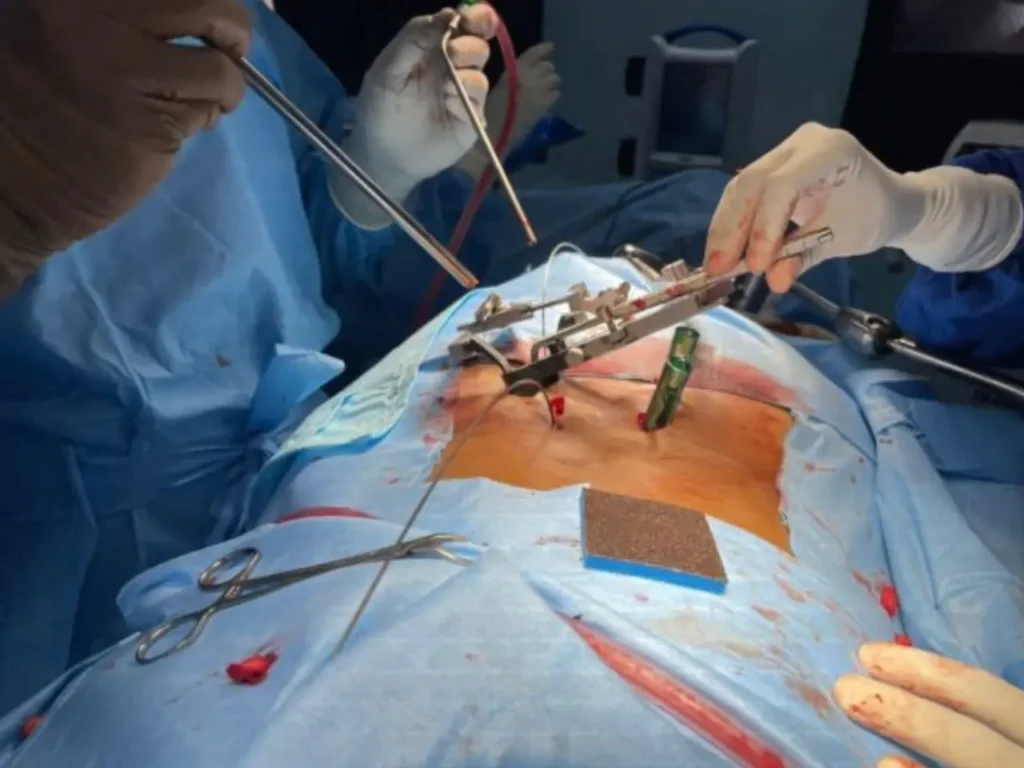
Introduction: When it comes to spinal health and addressing debilitating conditions, spine surgery is often considered a crucial option. India, with its growing reputation as a hub for medical tourism, has garnered attention for its expertise in this field. In this article, we will delve into the success rates of spine surgery in India, the expertise of Indian surgeons, state-of-the-art facilities, cost-effectiveness, and much more. Dr. Vignesh Pushparaj, a renowned spine surgeon and an integral part of the best spine surgery hospital in Chennai, will be highlighted throughout as a testament to the country’s medical prowess. Overview of Spine Surgery in India: India has witnessed a significant rise in the prevalence of spine-related issues. As a result, spine surgery has evolved into a specialized field. With a focus on innovation and patient-centric care, India has become a destination of choice for those seeking solutions to their spinal problems. Expertise of Indian Surgeons: Indian spine surgeons like Dr. Vignesh Pushparaj are known for their world-class qualifications and expertise. Dr. Pushparaj, one of the top 5 spine surgeons in India, has a track record of successfully performing complex spinal surgeries, enhancing the country’s reputation on the global medical stage. State-of-the-Art Facilities: Indian hospitals and medical centers are equipped with state-of-the-art facilities and cutting-edge technology for spine surgery. These facilities provide patients with access to advanced diagnostic tools, minimally invasive surgical techniques, and post-operative care that rivals the best in the world. Cost-Effectiveness: One of the most significant advantages of opting for spine surgery in India is its cost-effectiveness. The expense of undergoing spine surgery in India is considerably lower than in Western countries. This affordability ensures that high-quality healthcare is accessible to a broader spectrum of patients. What is the success rate of spine surgery? The answer lies in the growing number of successful cases and satisfied patients. Dr. Vignesh Pushparaj’s expertise contributes to the impressive success rates of spine surgery in India, with many patients experiencing significant improvements in their quality-of-life post-surgery. The success rate of spine surgery in India can vary depending on several factors, including the type of surgery, the skill and experience of the surgeon, the patient’s overall health, and the specific condition being treated. However, India has gained a reputation for providing high-quality medical care at affordable prices, and many patients from around the world travel to the country for spine surgery. Here are some key points to consider when discussing the success rate of spine surgery in India: 1-Types of Spine Surgeries: There are various types of spine surgeries performed in India, ranging from minimally invasive procedures to complex spinal fusion surgeries. The success rate can vary significantly depending on the specific procedure. 2-Skilled Surgeons: India boasts a pool of highly skilled and well-trained spine surgeons who are often educated and trained in renowned medical institutions worldwide. Many of them have extensive experience in performing spine surgeries. 3-Advanced Technology: Indian hospitals and medical facilities are equipped with state-of-the-art technology and equipment, which aids in performing precise and effective spine surgeries. 4-Post-operative Care: Success rates also depend on the quality of post-operative care and rehabilitation services provided to patients. Many hospitals in India offer comprehensive post-operative care to ensure a smooth recovery. 5-Patient Selection: The success of spine surgery often depends on the careful selection of patients. Surgeons evaluate each patient’s medical history and condition to determine if surgery is the best option. 6-Medical Tourism: India is a popular destination for medical tourism due to its cost-effective healthcare services. Patients from around the world travel to India for spine surgery, and many have reported positive outcomes. 7-Complications: Like any surgical procedure, spine surgery can have potential risks and complications. However, the overall success rate is generally high, especially when performed by experienced surgeons. 8-Patient Satisfaction: Success should not only be measured in terms of medical outcomes but also in terms of patient satisfaction. Many patients who undergo spine surgery in India report high levels of satisfaction with both the results and the overall healthcare experience. 9-Ongoing Research and Innovation: India’s medical community is actively involved in ongoing research and innovation in the field of spine surgery. This contributes to improving surgical techniques and patient outcomes over time. It’s essential to note that success rates can vary from one hospital or surgeon to another, and individual patient factors also play a significant role. Patients considering spine surgery in India should consult with experienced medical professionals and carefully weigh their options to make informed decisions about their treatment. Multidisciplinary Approach: Indian healthcare embraces a multidisciplinary approach, involving various specialists in patient care. This collaborative effort ensures that all aspects of a patient’s health are considered, resulting in better outcomes for those undergoing spine surgery. Minimally Invasive Techniques: Minimally invasive spine surgery techniques have gained prominence in India. Dr. Vignesh Pushparaj and other top spine surgeons in India are skilled in these advanced procedures, which offer patients shorter recovery times, reduced pain, and better overall outcomes. Patient Testimonials: Real-life success stories from patients who have undergone spine surgery in India speak volumes about the success of these procedures. Patients often share their experiences and how the expertise of surgeons like Dr. Vignesh Pushparaj positively impacted their lives. International Recognition: Indian hospitals and surgeons have earned international recognition and accreditations for their excellence in spine surgery. India’s participation in global medical conferences and research showcases the country’s commitment to maintaining high standards. Potential Risks and Considerations: While spine surgery in India has an impressive track record, it’s essential to acknowledge potential risks associated with any surgical procedure. Patients are advised to conduct thorough research, seek second opinions, and select a surgeon and facility carefully. Conclusion: In conclusion, spine surgery in Chennai, India has demonstrated remarkable success rates, thanks to the expertise of surgeons like Dr. Vignesh Pushparaj and the country’s commitment to providing high-quality healthcare. The combination of world-class facilities, cost-effectiveness, and a patient-centric approach makes India a prominent choice for those seeking spinal solutions. However, it’s crucial to
What Doctor is Best for Back Surgery?

Introduction: Back and neck pain can be debilitating, affecting the quality of life for many individuals. When conservative treatments fail to provide relief, back surgery may become a necessary option. Choosing the right doctor for back surgery is a critical decision that can significantly impact your outcome. In this article, we’ll explore the types of back surgery, various specializations in the field, and factors to consider when selecting a doctor. Dr. Vignesh Pushparaj, a renowned specialist in back and neck pain treatment in Chennai, will be highlighted as an example of a leading expert in this field. Types of Back Surgery: Back surgery encompasses a range of procedures, including spinal fusion, discectomy, and laminectomy. The choice of doctor often depends on the specific surgery required. Dr. Vignesh Pushparaj specializes in these procedures and has a track record of successful outcomes. Specializations in Back Surgery: The field of back surgery has evolved, and specialized practitioners have emerged. Specialists like spine surgeons, orthopedic surgeons, and neurosurgeons play vital roles in addressing different aspects of back and neck pain. Dr. Vignesh Pushparaj, as a highly respected spine surgeon in Chennai, exemplifies the expertise required for complex spinal surgeries. Factors to Consider When Choosing a doctor: When selecting a doctor for back surgery, several factors come into play. It’s crucial to assess their credentials, experience, and patient reviews. Dr. Vignesh Pushparaj extensive experience and positive patient testimonials make him a preferred choice for those seeking the best spine surgeon in Bangalore and Chennai. Trends in Back Surgery Specialists: The medical field is continually evolving, and back surgery is no exception. Multidisciplinary teams have become more prevalent, with experts from various specialties collaborating to provide comprehensive care. Dr. Vignesh Pushparaj actively participates in such collaborative efforts, ensuring that patients receive the best possible treatment. Spine Centers and Hospitals: Choosing a reputable spine center or hospital is essential for the success of your back surgery. Leading specialists like Dr. Vignesh Pushparaj often practice at renowned institutions known for their excellence in back and neck pain treatment in Chennai. Minimally Invasive Surgery: Minimally invasive back surgery techniques have gained popularity due to reduced recovery times and lower risks. Specialists like Dr. Vignesh Pushparaj are proficient in these advanced procedures, offering patients less pain and a faster return to normal life. Cutting-Edge Technologies: Modern back surgery benefits from cutting-edge technologies such as robotics and navigation systems. Surgeons like Dr. Vignesh Pushparaj stay at the forefront of these innovations, enhancing precision and improving patient outcomes. Patient Success Stories: Real-life success stories are a testament to the expertise of doctors like Dr. Vignesh Pushparaj. Patients who have undergone back surgery under his care often report significant improvements in their pain and overall quality of life. Insurance and Financial Considerations: Navigating the financial aspect of back surgery is a crucial part of the process. Understanding your insurance coverage and discussing costs with your chosen specialist, like Dr. Vignesh Pushparaj, ensures a transparent and manageable financial experience. Conclusion: Choosing the best doctor for your back surgery is a decision that should not be taken lightly. Consider the type of surgery, the doctor’s specialization, and their reputation carefully. Dr. Vignesh Pushparaj expertise in back and neck pain treatment in Chennai makes him an excellent choice for those seeking the best spine surgeon in the region. Remember that your health and well-being are paramount, and making an informed choice is the first step towards a pain-free future.
Innovation Pain Management Techniques for Chronic Back Pain
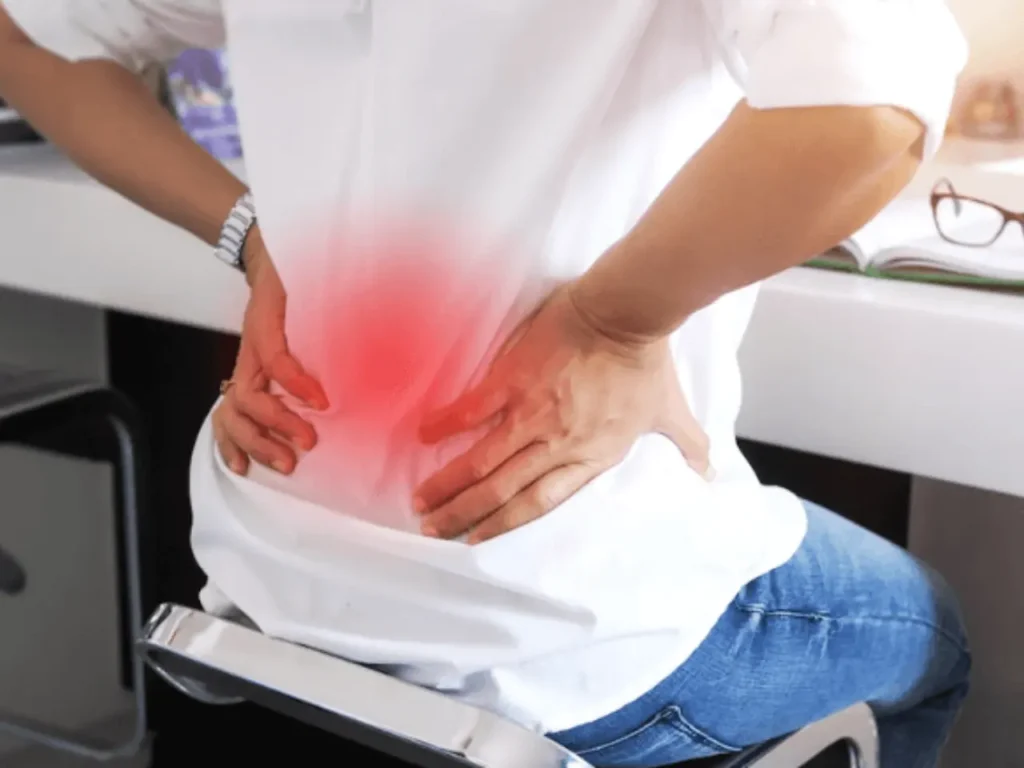
Chronic back pain is an affliction that affects millions of people worldwide, causing not only physical discomfort but also disrupting daily life and overall well-being. If you’ve been battling chronic back pain, you’re likely familiar with the challenges of finding effective pain management solutions. Traditional approaches, while helpful to some extent, often fall short in providing lasting relief. This is where innovative pain management techniques come into play, offering hope for those seeking a breakthrough in their chronic back pain treatment journey. Understanding Chronic Back Pain Before diving into the world of innovative pain management, let’s first understand what chronic back pain entails. Chronic back pain is characterized by persistent discomfort in the back region that lasts for more than three months. It can stem from various causes, such as herniated discs, spinal stenosis, muscle imbalances, or even stress-related factors. Conventional Pain Management Techniques Historically, chronic back pain treatment has largely relied on conventional methods, such as pain medications, physical therapy, and in some cases, surgical interventions. While these treatments can provide temporary relief, they often come with limitations. Pain medications can lead to dependency, and surgeries carry inherent risks. Innovative Pain Management Techniques Mind-Body Techniques Mindfulness and Meditation: These practices are gaining recognition for their ability to alleviate chronic pain. By focusing on the mind-body connection, individuals can learn to manage and reduce pain perception. Incorporating mindfulness and meditation into your daily routine can help you gain better control over your chronic back pain. Yoga and Tai Chi: These forms of exercise emphasize gentle movements, stretching, and relaxation. They can improve flexibility, strengthen muscles, and enhance overall well-being, making them valuable components of an innovative pain management plan. Advanced Physical Therapies Biofeedback: This technique allows individuals to gain awareness and control over physiological processes. Biofeedback can help you understand how your body responds to stress and pain, enabling you to develop strategies for pain management. Spinal Decompression Therapy: By gently stretching the spine, spinal decompression therapy aims to relieve pressure on the spinal discs, potentially reducing pain associated with conditions like herniated discs. Minimally Invasive Procedures Radiofrequency Ablation: This minimally invasive procedure uses radiofrequency energy to disrupt nerve signals responsible for transmitting pain. It’s often used for chronic back pain that hasn’t responded well to other treatments. Platelet-Rich Plasma (PRP) Therapy: PRP therapy involves injecting concentrated platelets from your own blood into the affected area. This promotes natural healing and tissue repair, potentially reducing pain and inflammation. Neuromodulation: Spinal Cord Stimulation: This technique involves implanting a device that delivers electrical pulses to the spinal cord, interfering with pain signals and providing relief. It’s especially beneficial for individuals with severe chronic back pain. Peripheral Nerve Stimulation: Similar to spinal cord stimulation, peripheral nerve stimulation targets specific nerves responsible for transmitting pain signals from the back. Benefits of Innovative Techniques: Incorporating these innovative techniques into your chronic back pain management plan offers several advantages. These methods often provide more targeted relief, reduce the need for medication, and may even delay or eliminate the need for surgery. They can also lead to improved quality of life, allowing you to regain your mobility and independence. Integrating Innovative Techniques into Your Pain Management Plan To explore these innovative techniques, it’s essential to consult with a specialist. Dr. Vignesh Pushparaj is a renowned back pain treatment specialist in Chennai who can guide you in finding the right approach tailored to your specific needs. Remember that each individual’s experience with chronic back pain is unique, and a personalized treatment plan is crucial. Conclusion: Innovative pain management techniques are transforming the way we address chronic back pain. They offer new hope for individuals seeking lasting relief without the drawbacks of traditional methods. By collaborating with experts like Dr. Vignesh Pushparaj, you can embark on a journey towards a pain-free life and improved well-being. Don’t let chronic back pain hold you back – explore these innovative solutions and take control of your pain management today.
What is Genetic Disease of the Spine?

Genetic Factors and Spine Conditions: Unraveling the Connection When it comes to spine health, there’s more to it than just posture and lifestyle choices. Genetics, an intricate tapestry of inherited traits, also plays a significant role. Understanding the connection between genetic factors and spine conditions is essential for both patients and healthcare professionals. Dr. Vignesh Pushparaj, recognized as the best spine specialist in Chennai, sheds light on this complex interplay. What is a genetic disease of the spine? Can spine problems be genetic? Our genetic makeup can influence our susceptibility to various health conditions, including those affecting the spine. Genetic factors encompass a wide range of variations that can predispose individuals to spine problems. These factors may affect the structure of the spine, the strength of supporting tissues, or the body’s ability to repair spinal damage. Common Spine Conditions with Genetic Links Genetic factors contribute to several spine conditions, each with its unique genetic components: Scoliosis: Scoliosis is a condition characterized by an abnormal curvature of the spine. While the precise cause of scoliosis remains complex, there’s a genetic link. Family history often plays a role, with scoliosis running in families. Degenerative Disc Disease: Degenerative disc disease involves the gradual deterioration of spinal discs. Genetic factors can influence the early onset and progression of this condition. Herniated Discs: The vulnerability of spinal discs to herniation can also have genetic roots. Genetic variations may affect the strength and integrity of the discs. Genetic Testing for Spine Conditions Genetic testing has emerged as a valuable tool in diagnosing and assessing spine conditions. It allows healthcare providers to identify specific genetic variations that may increase an individual’s risk of developing certain spine problems. While genetic testing can provide essential insights, it’s just one piece of the puzzle in understanding spine health. The Importance of Family History When it comes to genetics and spine conditions, your family history is a valuable resource. A family history of spine problems can serve as a crucial indicator of genetic predisposition. If you have close relatives with spine conditions, such as scoliosis, it’s essential to share this information with your healthcare provider. Lifestyle and Environmental Factors While genetics play a significant role, lifestyle and environmental factors also contribute to spine health. Making healthy choices, such as maintaining a balanced diet, staying physically active, and practicing proper posture, can mitigate the effects of genetic predisposition. Advances in Personalized Treatment Genetic insights are revolutionizing spine condition management. As we understand more about the genetic factors at play, treatment plans can become increasingly personalized. Tailored interventions based on an individual’s genetic profile hold the promise of more effective and precise treatments. The Future of Genetic Research in Spine Health The field of genetic research in spine health is continually evolving. Ongoing research efforts, including those led by experts like Dr. Vignesh Pushparaj, are pushing the boundaries of our understanding. These efforts pave the way for potential breakthroughs in spine condition management. In conclusion: The connection between genetic factors and spine conditions is a complex yet vital aspect of spine health. While genetics can influence your risk, proactive lifestyle choices and regular check-ins with specialists like Dr. Vignesh Pushparaj, a scoliosis surgery doctor in Chennai, can help you navigate and manage your spine health effectively. By staying informed and embracing personalized approaches, you can maintain a healthy spine for years to come.
Spine Health Tips for Office Desk Workers

Spine Health for Desk Workers: Preventing Back Pain in the Office In today’s fast-paced world, desk jobs have become the norm for many professionals. While these jobs offer numerous advantages, they often come with a hidden cost: the risk of back pain. Back pain is a prevalent issue among office workers, but the good news is that it’s preventable. By prioritizing spine health and implementing a few key strategies, you can safeguard your well-being and comfort at work. At the forefront of spinal health is Dr. Vignesh Pushparaj, the best spine surgeon in Chennai, who understands the unique challenges faced by desk workers. In this blog post, we’ll explore essential spinal health tips for office workers, helping you avoid back pain and maintain a healthy spine. The Impact of Desk Jobs on Spine Health Desk jobs often require long hours of sitting, which can take a toll on your spine over time. Prolonged sitting can lead to poor posture, muscle imbalances, and increased pressure on your spinal discs. These factors can contribute to discomfort and, if left unaddressed, may result in chronic back pain. Ergonomics: Setting Up Your Workspace Creating an ergonomic workspace is crucial for spine health. An ergonomic office setup can significantly reduce the risk of back pain. 8 Spine Health Tips for Desk Workers 1- Choose the Right Chair: Invest in an ergonomic chair that provides lumbar support and promotes good posture. 2- Optimal Desk Height: Ensure that your desk is at the right height to prevent hunching or straining. 3- Monitor and Keyboard Placement: Position your computer monitor at eye level and keep your keyboard at elbow height to maintain a neutral wrist and spine position. 4- Regular Movement and Stretching Combat the negative effects of prolonged sitting by incorporating movement into your day. Take short breaks to stand, stretch, and walk around. Simple office exercises and stretches can help alleviate tension and prevent stiffness. 5-Core Strengthening Exercises A strong core is the foundation of good posture and spinal health. Consider integrating core-strengthening exercises into your routine, even during work breaks. These exercises can help support your spine and reduce the risk of back pain. 6-Mindful Sitting and Posture Maintaining proper posture while sitting is essential for spine health. Be mindful of your posture throughout the day and consider using lumbar supports or posture-correcting tools to assist you. 7-Stress Management and Relaxation Techniques Stress can exacerbate back pain. Incorporate stress management techniques into your daily routine, such as deep breathing exercises or meditation. A calm mind can help alleviate tension in the body. 8-Nutrition and Hydration Proper nutrition and hydration play a role in spine health. A balanced diet rich in nutrients supports your spine’s overall health, and staying hydrated helps maintain spinal disc hydration. Regular Check-Ins with Healthcare Professionals Regular check-ups with healthcare professionals like Dr. Vignesh Pushparaj, an expert in spine fracture treatment in Bangalore, are crucial for maintaining spinal health. They can provide guidance, perform assessments, and recommend treatments or exercises tailored to your specific needs. In conclusion: Spine health for desk workers is achievable with the right strategies and awareness. By following these tips and seeking professional guidance when needed, you can prevent back pain and ensure your spine remains in optimal condition. Prioritizing your spine health not only enhances your work experience but also contributes to your overall well-being and quality of life.
How Nutrition Can Help Keep Your Spine Healthy and Prevent Injuries?

The Vital Connection Between Nutrition and Spine Health A healthy spine is fundamental to overall well-being and maintaining an active lifestyle. Dr. Vignesh Pushparaj, renowned as one of the best spine surgeons in Chennai, emphasizes the critical role of nutrition in promoting spinal health and preventing injuries. Proper nutrition plays a significant part in supporting the spine’s structure and function, aiding in injury prevention, and optimizing outcomes for spine surgery. Let’s delve into the key aspects of nutrition’s impact on spinal health and injury prevention. Understanding Spinal Health The human spine, often referred to as the backbone, is a complex structure consisting of vertebrae, intervertebral discs, ligaments, tendons, and muscles. It serves as the pillar of support for the entire body and plays a vital role in protecting the spinal cord, which is responsible for transmitting nerve signals from the brain to the rest of the body. However, various factors such as poor nutrition, sedentary lifestyle, and aging can contribute to spinal health issues and injuries. Nutrition and Spine Health Proper nutrition is essential for maintaining the health and integrity of the spine. Dr. Vignesh Pushparaj emphasizes that certain nutrients play a key role in supporting spinal health and preventing spine-related problems. Calcium and Vitamin D: These nutrients are crucial for building and maintaining strong bones, including the vertebrae that make up the spine. Foods rich in calcium, such as dairy products and leafy greens, and exposure to sunlight for vitamin D synthesis are essential for a healthy spine. Omega-3 Fatty Acids: Found in fatty fish like salmon and flaxseeds, omega-3 fatty acids have anti-inflammatory properties that can help reduce inflammation in spinal tissues and alleviate pain. Protein: Adequate protein intake is vital for the repair and growth of muscles that support the spine, promoting better stability and movement. Antioxidants: Colorful fruits and vegetables, such as berries, tomatoes, and spinach, provide antioxidants that protect spinal tissues from oxidative stress and damage. How Nutrition Can Prevent Spinal Injuries? A well-balanced diet plays a significant role in preventing spine-related injuries and degenerative conditions. Here’s how nutrition can contribute to injury prevention: Building Stronger Bones and Muscles: Calcium and protein-rich foods support bone density and muscle strength, reducing the risk of fractures and injuries. Supporting Ligaments and Tendons: Nutrients like vitamin C, found in citrus fruits, and zinc, present in nuts and seeds, help maintain the health of ligaments and tendons, enhancing spinal stability. Reducing the Risk of Degenerative Disc Disease: A diet rich in antioxidants can protect the intervertebral discs from wear and tear, reducing the likelihood of degenerative disc disease. The Connection Between Nutrition and Flexibility: Proper nutrition combined with regular exercise can enhance flexibility, reducing the risk of strains and sprains during physical activities. What is the Impact of Nutrition on Spine Surgery? For individuals requiring spine surgery, proper nutrition is crucial for both preparation and recovery. Dr. Vignesh Pushparaj advises patients to focus on their nutritional intake before and after surgery for optimal outcomes. Preparing for Spine Surgery with Proper Nutrition: Prior to surgery, maintaining a healthy diet can help strengthen the body and improve its ability to cope with the stress of the procedure. Post-Surgery Nutrition for Faster Recovery and Healing: After surgery, the body requires extra nutrients to heal properly. A diet rich in protein, vitamins, and minerals aids in tissue repair and minimizes recovery time. What are the best Foods for a Healthy Spine? Dr. Vignesh Pushparaj recommends incorporating specific foods into the diet to support spinal health: Calcium-Rich Foods and Supplements: Dairy products, leafy greens, and calcium-fortified foods ensure adequate calcium intake for bone health. Foods High in Omega-3 Fatty Acids: Fatty fish like salmon, chia seeds, and walnuts provide essential omega-3s to reduce inflammation. Protein Sources for Muscle Health: Lean meats, beans, and legumes supply protein for muscle repair and strength. Antioxidant-Rich Fruits and Vegetables: Colorful fruits and vegetables protect spinal tissues from damage caused by free radicals. Nutrition Tips for Spinal Health Dr. Vignesh Pushparaj offers practical nutrition tips for maintaining a healthy spine: Maintaining a Balanced Diet: A well-balanced diet comprising all essential nutrients is vital for overall spinal health. Incorporating Exercise and Stretching: Regular physical activity, along with proper nutrition, supports spinal flexibility and strength. Avoiding Foods That Can Harm Spinal Health: Limiting processed foods, sugary beverages, and excessive alcohol consumption benefits spinal health. The Role of Nutrition in Spinal Fracture Treatment For patients undergoing spine fracture treatment in Chennai, nutrition plays a pivotal role in the healing process. Nutrition’s Contribution to the Healing Process: Nutrients support bone healing and tissue repair, crucial for recovering from spine fractures. Promoting Bone Strength During Recovery: A nutrient-rich diet aids in rebuilding bone strength during the recovery phase. Seeking Expert Advice from the Best Spine Surgeon For those concerned about their spinal health or dealing with spine-related issues, it is essential to consult with a specialist like Dr. Vignesh Pushparaj, known for his expertise as one of the best spine surgeons in Bangalore. Importance of Consulting with Specialists: Expert advice from a spine surgeon ensures personalized care and accurate treatment. Role of Nutrition in the Treatment Plan: Vignesh Pushparaj incorporates nutritional guidance into the comprehensive treatment plan for better outcomes. Conclusion: Empowering Spinal Health through Proper Nutrition Proper nutrition plays a vital role in maintaining spinal health, preventing injuries, and optimizing outcomes for spine surgery. As emphasized by Dr. Vignesh Pushparaj, one of the best spine surgeons in Guwahati, a well-balanced diet rich in essential nutrients are crucial for a healthy spine. By prioritizing nutrition, individuals can take proactive steps towards preserving spinal health and leading a life free from spinal issues and injuries.
Holistic Approach to Back Pain Management

A Holistic Approach to Back Pain Management: Dr. Vignesh Pushparaj’s Expert Insights Back pain is a common issue that affects millions of people worldwide, causing discomfort and hindering daily activities. While conventional treatments like medications and surgeries can provide relief, a more comprehensive approach is gaining popularity – Holistic Pain Management. Dr. Vignesh Pushparaj, a renowned expert in pain management in Chennai, believes in the power of addressing back pain from various angles to achieve long-lasting relief and improved quality of life. What is a Holistic Pain Management? Holistic pain management is an approach that takes into account not only the physical symptoms but also the emotional and lifestyle factors that contribute to the pain. It recognizes that the mind and body are interconnected, and treating the person as a whole is crucial for effective pain relief. Types of Holistic Pain Management: Physical Therapies: Vignesh employs various physical therapies to address back pain, including chiropractic care, osteopathic manipulation, and targeted exercises for strengthening and flexibility. These therapies aim to alleviate muscle tension, correct misalignments, and improve overall spinal health. Emotional and Mental Support: Chronic back pain can take a toll on a person’s mental health. Dr. Vignesh emphasizes the importance of addressing stress, anxiety, and depression related to pain. Mindfulness techniques, meditation, and cognitive-behavioral therapy (CBT) are incorporated to help patients cope with pain-related emotions effectively. Lifestyle Modifications: To complement the treatments, lifestyle changes are recommended. Proper nutrition, maintaining a healthy weight, and regular physical activity play vital roles in reducing inflammation and supporting the back’s health. Additionally, promoting good sleep habits is essential for pain management. Benefits of a Holistic Approach to Pain Management: The holistic approach to pain management offers several advantages over conventional methods. By targeting the underlying causes of pain and promoting overall well-being, patients experience: Reduced reliance on pain medications, minimizing potential side effects and risks. Improved physical function and mobility through targeted therapies and exercises. Enhanced emotional well-being and better coping mechanisms to deal with pain-related stress. Long-term pain relief and prevention of recurring issues. A better understanding of one’s own body and how to maintain its health proactively. Holistic Pain Management Treatments in Chennai: As a leading pain management specialist in Chennai, Dr. Vignesh Pushparaj offers a range of holistic treatments for back and neck pain. His patient-centered approach ensures that each individual receives personalized care and attention. From hands-on therapies to innovative techniques, he employs evidence-based practices to help patients achieve optimal pain relief and regain control over their lives. Physical Aspects of Holistic Back Pain Management A. Medical Assessment and Diagnosis: The first step in holistic back pain management is a comprehensive medical assessment and diagnosis. Dr. Vignesh Pushparaj conducts a thorough examination to identify the underlying cause of the back pain. This may involve medical history review, physical examination, and diagnostic tests like X-rays or MRI scans. Accurate diagnosis is essential to tailor a personalized treatment plan that targets the specific issue. B. Pain Relief through Medication and/or Alternative Therapies: Based on the diagnosis, Dr. Vignesh may recommend pain relief through medication or alternative therapies. While medications like nonsteroidal anti-inflammatory drugs (NSAIDs) can provide temporary relief, he also explores alternative therapies such as herbal supplements, topical creams, or homeopathic remedies to manage pain naturally and reduce dependency on pharmaceuticals. C. Physical Therapy and Exercises for Strengthening and Flexibility: Physical therapy plays a crucial role in holistic back pain management. Dr. Vignesh collaborates with skilled physical therapists to design exercise programs that focus on strengthening the core muscles, improving flexibility, and enhancing overall posture. These exercises help stabilize the spine, alleviate pressure on the affected areas, and promote better back health. D. Ergonomic Adjustments for Daily Activities: The way we perform daily activities can significantly impact back health. Dr. Vignesh advises patients on ergonomic adjustments at home and work. Simple changes like using supportive chairs, maintaining proper desk height, and avoiding prolonged sitting or standing can reduce strain on the back and prevent future pain. E. Chiropractic Care and Osteopathic Manipulation: Chiropractic care and osteopathic manipulation are hands-on therapies that aim to restore spinal alignment and improve joint function. Chiropractors and osteopathic physicians use gentle adjustments to correct misalignments, which can alleviate nerve compression, reduce pain, and improve overall mobility. Emotional and Mental Aspects of Holistic Back Pain Management Recognizing and Addressing Stress and Anxiety Related to Back Pain: Chronic back pain can lead to emotional distress, stress, and anxiety. Dr. Vignesh acknowledges the psychological impact of back pain and encourages open communication with patients. By recognizing and addressing emotional factors, he helps patients develop coping mechanisms and resilience to manage pain-related stress effectively. Mindfulness Techniques and Meditation for Pain Management: Mindfulness techniques and meditation are powerful tools in holistic back pain management. These practices cultivate awareness of the present moment, promoting relaxation and reducing pain perception. Dr. Vignesh guides patients through mindfulness exercises to help them manage pain and regain a sense of control over their bodies. Cognitive-Behavioral Therapy (CBT) for Pain-Related Thought Patterns: Cognitive-behavioral therapy (CBT) is a therapeutic approach that helps patients identify and challenge negative thought patterns related to pain. By reframing thoughts and beliefs about pain, patients can experience reduced pain intensity and increased ability to cope with back pain challenges. Coping Strategies and Relaxation Techniques: Dr. Vignesh equips patients with coping strategies and relaxation techniques to manage pain flares and stressful situations effectively. Breathing exercises, progressive muscle relaxation, and guided imagery are some of the techniques he recommends to promote relaxation and alleviate tension in the body. Conclusion: In the realm of pain management, a holistic approach is proving to be a game-changer. Dr. Vignesh Pushparaj expertise and commitment to comprehensive care are transforming the lives of individuals suffering from back and neck pain in Chennai. By recognizing the importance of treating the whole person, rather than just the symptoms, he is ushering in a new era of pain management that offers lasting relief and improved well-being. If you are