
How to Choose the Right Spine Surgeon in Chennai?

Best Spine Surgeons in Chennai: How to Choose the Right Specialist (For Dr. Vignesh Pushparaj – Leading Spine Surgeon in Chennai) Back and neck problems can severely affect your daily life, from simple movements to your overall quality of living. Whether it’s a herniated disc, scoliosis, or spinal deformity, the right treatment begins with finding the best spine surgeon in Chennai. Spine surgery is delicate and requires a specialist who understands the intricate balance between the spinal cord, bones, and nerves. Dr. Vignesh Pushparaj, a renowned spine surgery specialist in Chennai with over 15 years of experience, has helped countless patients regain their mobility through advanced and minimally invasive spine treatments. This guide will help you understand how to choose the right specialist for spine surgery in Chennai and what to consider before making this important decision. Why Choosing the Right Spine Surgeon Matters? The Complexity of Spine Surgery The spine is one of the most vital and delicate parts of the human body. It supports posture, enables movement, and protects the spinal cord. Even a small error during surgery can lead to complications such as chronic pain, nerve damage, or limited mobility. That’s why choosing the best spine surgeon in Chennai is crucial for ensuring safe and successful results. Personalized Treatment and Better Recovery Every spine condition is unique. A qualified spine surgery specialist in Chennai will create a tailored treatment plan that suits your condition, lifestyle, and recovery goals. Experienced surgeons like Dr. Vignesh Pushparaj specialize in minimally invasive spine surgery techniques that reduce scarring, minimize hospital stay, and ensure faster recovery. How to Choose a Spine Surgeon in Chennai? Check Credentials and Experience When selecting a spine surgeon, start by reviewing their qualifications and background. Look for certifications such as MS (Orthopaedics), MCh (Neurosurgery), or international fellowships in spine surgery. The more complex your condition, the more experience your surgeon should have. For example, Dr. Vignesh Pushparaj brings over 15 years of expertise in treating conditions like scoliosis, disc prolapse, and spinal deformities, making him one of the best spine surgeons in Chennai. Assess Hospital Facilities The hospital where the surgery takes place plays a vital role in your recovery. When deciding on a spine surgery hospital in Chennai, consider: Availability of modern diagnostic tools like MRI and CT scans. Advanced operating equipment for minimally invasive spine procedures. Dedicated post-operative and rehabilitation units. If you’re wondering “spine surgery hospital Chennai how to choose?” — always opt for hospitals that are specialized in orthopaedic and spine care with 24/7 medical support. Evaluate Specialization and Techniques The field of spine surgery has evolved rapidly with advancements such as robotic-assisted surgery, endoscopic discectomy, and keyhole techniques. Ensure your spine surgery specialist in Chennai is trained in: Minimally invasive spine surgery (MISS) Disc replacement and spinal fusion Scoliosis and spinal deformity correction Robotic or image-guided spinal procedures A surgeon’s proficiency in advanced technologies often leads to less pain, minimal blood loss, and faster healing. Patient Reviews and Success Rate Patient testimonials are a valuable way to assess a surgeon’s credibility. A high rate of successful surgeries and positive patient experiences reflect the surgeon’s skill and care. Dr. Vignesh Pushparaj has earned the trust of many patients in Chennai for his compassionate approach and exceptional surgical outcomes. Communication and Trust The relationship between a patient and surgeon must be built on transparency and trust. The right surgeon will listen carefully, explain every aspect of your diagnosis, and help you understand your options. A good surgeon ensures that you are mentally prepared before surgery and well-supported afterward. What to Look for in a Spine Surgeon in Chennai? When shortlisting a spine surgery specialist in Chennai, consider the following key factors: Board-certified and fellowship-trained in spine surgery. Experience handling both simple and complex spine conditions. Skilled in both orthopaedic and neurosurgical techniques. Associated with reputed spine surgery hospitals in Chennai. Positive patient reviews and post-surgery follow-up support. Compassionate, patient-centered approach to care. The best spine surgeon Chennai isn’t just defined by qualifications but also by their ability to empathize, communicate, and deliver consistent results. What Questions to Ask Your Spine Surgeon? Before you proceed with any surgical plan, it’s important to have an open conversation with your doctor. Here’s what questions to ask your spine surgeon to ensure you’re making an informed choice: What is the exact cause of my spine condition? Are there non-surgical treatment options available? How many similar spine surgeries have you performed? What are the potential risks and complications? What should I expect during the recovery phase? How soon can I resume normal activities or work? What type of rehabilitation will I need post-surgery? These questions will help you assess the surgeon’s experience, confidence, and communication style. Neurosurgeon vs. Spine Specialist in Chennai – Which One Should You Choose? When it comes to spine treatment, both neurosurgeons and orthopaedic surgeons play important roles. However, their focus areas differ slightly: A neurosurgeon spine specialist in Chennai primarily deals with spinal cord, nerve, and brain-related disorders. An orthopaedic spine surgeon focuses on the bones, joints, and structural deformities of the spine. For comprehensive spinal issues, it’s ideal to choose a surgeon like Dr. Vignesh Pushparaj, who integrates both orthopaedic and neurosurgical expertise to offer holistic spine care. Why Dr. Vignesh Pushparaj is Among the Best Spine Surgeons in Chennai? Dr. Vignesh Pushparaj is a leading spine surgery specialist in Chennai, known for his advanced surgical skills and compassionate approach. Here’s what makes him stand out: Over 15 years of experience in spine and orthopaedic surgery. Expertise in scoliosis correction, disc disorders, spinal deformities, and minimally invasive techniques. Performs endoscopic and keyhole spine surgeries with precision and minimal downtime. Associated with top-rated spine surgery hospitals in Chennai equipped with Advanced technology. Focus on long-term patient well-being through guided rehabilitation and personalized care. His patient-first philosophy and high surgical success rates make him one of the most trusted names in Chennai for advanced spine care. How to Choose the Right Specialist for
Cost of Endoscopic Discectomy in Chennai vs Other Metros
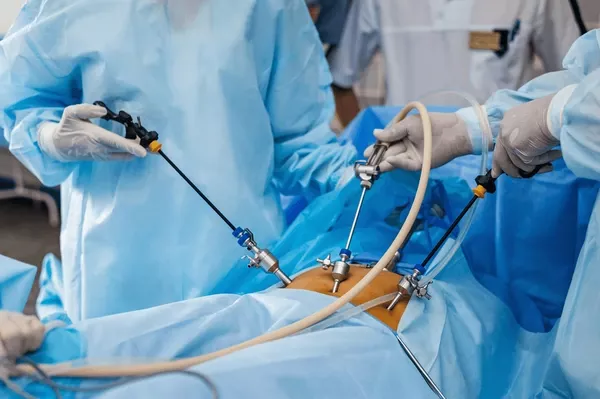
When it comes to treating spine conditions such as a herniated disc or sciatica, Endoscopic Discectomy has emerged as one of the most advanced and minimally invasive surgical options. For patients comparing the cost of Endoscopic Discectomy in Chennai vs. other metros in India, understanding the factors that influence pricing can help make an informed decision. With leading specialists like Dr. Vignesh Pushparaj, a renowned Endoscopic Spine Surgeon in Chennai, patients can expect world-class care at an affordable cost — without compromising on quality or safety. What is Endoscopic Discectomy? Endoscopic Discectomy is a minimally invasive spine surgery performed to remove herniated disc material that compresses the spinal nerves. Using an endoscope is a thin, flexible tube with a camera the surgeon can access the affected area through a small incision, minimizing tissue damage. This procedure offers faster recovery, less postoperative pain, and reduced hospitalization compared to traditional open spine surgery. Benefits of Endoscopic Spine Surgery Smaller incision and minimal scarring. Less blood loss and quicker healing time. Reduced risk of infection. Early return to daily activities and work. Minimal hospital stay (often same-day discharge). These benefits make Endoscopic Spine Surgery in Chennai a preferred choice for patients seeking a safe and effective treatment option. Factors Affecting the Cost of Endoscopic Discectomy in India The endoscopic discectomy cost in Chennai or any other metro city depends on multiple variables, including: Hospital Category: Super-specialty hospitals may charge more than mid-range centers due to advanced infrastructure. Surgeon’s Expertise: A highly experienced Endoscopic Spine Surgeon in Chennai like Dr. Vignesh Pushparaj may have higher consultation or procedure fees, but better outcomes and fewer complications. Technology Used: The type of endoscopic system and imaging technology used can impact cost. Type of Anesthesia: General or local anesthesia can alter total expenses. Hospital Stay and Postoperative Care: While most procedures are day-care surgeries, some may require overnight observation. Additional Services: Imaging tests (MRI/CT scans), physiotherapy, and medications add to the total package cost. Cost of Endoscopic Discectomy in Chennai Average Endoscopic Discectomy Cost in Chennai The cost of endoscopic discectomy in Chennai typically ranges between ₹90,000 and ₹2,00,000, depending on the patient’s condition and hospital selection. Government hospitals or charitable centers may offer the procedure at lower rates. Private hospitals and specialty spine centers may charge more due to personalized care, advanced technology, and superior post-surgery support. At the clinic of Dr. Vignesh Pushparaj, patients benefit from affordable Endoscopic Spine Surgery in Chennai pearformed with Advanced technology and a focus on faster recovery and long-term results. Why Chennai is a Preferred Destination for Spine Surgery? Highly qualified spine surgeons with international expertise. Affordable healthcare compared to metros like Mumbai and Delhi. Modern hospitals equipped with advanced endoscopic and imaging systems. Strong medical tourism infrastructure for national and international patients. When comparing spine surgery cost in Chennai vs. other metros, Chennai consistently offers high-quality care at a lower overall expense. Cost Comparison: Chennai vs. Other Metro Cities Endoscopic Discectomy Cost in Major Metro Cities (Approximate Range) City Average Cost (INR) Remarks Chennai ₹90,000 – ₹2,00,000 Affordable with excellent quality of care Mumbai ₹1,20,000 – ₹2,50,000 Higher hospital and room charges Delhi ₹1,10,000 – ₹2,40,000 Comparable to Chennai Bangalore ₹1,20,000 – ₹2,30,000 Slightly higher due to tech and surgeon costs Hyderabad ₹1,00,000 – ₹2,10,000 Moderate pricing The endoscopic discectomy cost in metro cities in India varies mainly due to infrastructure costs and surgeon fees. Among them, Chennai offers one of the best value-for-money options. Why Chennai Offers a Cost Advantage? Lower operational costs for hospitals and clinics. Availability of specialized spine centers with in-house diagnostics. Experienced surgeons offering personalized yet affordable care. Medical tourism benefits for both domestic and international patients. With specialists like Dr. Vignesh Pushparaj, patients can expect advanced Endoscopic Spine Surgery in Chennai with transparent pricing and world-class outcomes. What’s Included in the Endoscopic Discectomy Cost? A typical endoscopic discectomy cost in Chennai package includes: Pre-operative consultations and diagnostic imaging (MRI, CT scans). Surgeon’s and anesthetist’s fees. Operation theatre charges and surgical consumables. Hospital stay (if required) and nursing care. Post-surgery medications and rehabilitation sessions. Some hospitals may offer comprehensive packages that include follow-up visits and physiotherapy sessions to aid in recovery. Tips for Patients Comparing Costs Across Cities When evaluating spine surgery cost in Chennai vs. other metros, keep the following in mind: Always compare the total package (not just the surgery fee). Check if the package includes investigations, medications, and follow-ups. Review the surgeon’s qualifications, success rates, and patient testimonials. Consider travel and accommodation costs, especially for outstation patients. Prioritize quality and expertise over cost alone — outcomes matter most in spine surgery. Choosing the Right Endoscopic Spine Surgeon in Chennai Selecting an experienced and qualified surgeon is crucial for a successful recovery. Dr. Vignesh Pushparaj, one of the most trusted Endoscopic Spine Surgeons in Chennai, is known for his expertise in minimally invasive and endoscopic spine techniques. He focuses on: Personalized treatment planning for each patient. Precision-driven surgical execution using advanced endoscopic technology. Faster recovery with minimal discomfort and hospital stay. Transparent communication and affordable care packages. Patients from across India and abroad choose him for Endoscopic Spine Surgery in Chennai due to his commitment to delivering superior outcomes. Conclusion When comparing the cost of Endoscopic Discectomy in Chennai vs. other metros, Chennai clearly stands out as a city offering a perfect balance of affordability, expertise, and quality care. With surgeons like Dr. Vignesh Pushparaj, patients can expect advanced endoscopic spine surgery with minimal downtime and long-lasting relief. If you’re considering Endoscopic Spine Surgery in Chennai, schedule a consultation with Dr. Vignesh Pushparaj to explore your options, understand costs, and plan your recovery journey with confidence. FAQs about Endoscopic Discectomy Cost in Chennai 1- What is the average cost of endoscopic discectomy in Chennai? The endoscopic discectomy cost in Chennai generally ranges between ₹90,000 and ₹2,00,000, depending on the hospital, surgeon, and complexity of the case. 2- Why is endoscopic spine surgery more affordable in Chennai compared to other metros? Chennai
Scoliosis Screening Programs in Indian Schools

Scoliosis Screening in Indian Schools: The Need for Early Detection Programs By Dr. Vignesh Pushparaj – Leading Scoliosis Correction Surgeon in Chennai Scoliosis is a spinal condition that causes an abnormal sideways curvature of the spine, often developing during a child’s growth years. While mild scoliosis may not always cause discomfort, if left undiagnosed, it can progress and lead to severe deformity, pain, and breathing difficulties. In India, many cases go unnoticed until the deformity becomes obvious — often too late for non-surgical correction. That’s why scoliosis screening programs in Indian schools are so important. Early detection through school-based health checks can prevent complications and ensure timely intervention. Dr. Vignesh Pushparaj, a leading Scoliosis Spine Surgeon in Chennai, advocates for early diagnosis and awareness. With expertise in advanced scoliosis correction surgery in Chennai, he offers effective and affordable treatment for children and adults with spinal deformities. What is Scoliosis? Understanding the Condition Scoliosis is a condition where the spine curves sideways, resembling an “S” or “C” shape. It can develop due to unknown causes (idiopathic scoliosis), congenital abnormalities, or neuromuscular disorders. Early signs often include: Uneven shoulders or hips One shoulder blade appearing more prominent Leaning to one side while standing Early identification plays a key role in managing scoliosis before it worsens. Is Scoliosis Common in Indian Kids? Yes, scoliosis is common in Indian children, though it often goes undetected. Many mild cases remain unnoticed in school-aged children, especially when no formal screening is conducted. This makes school scoliosis screening programs vital for early diagnosis and correction. Why Scoliosis Screening in Schools Matters? The Importance of School Scoliosis Screening The importance of school scoliosis screening cannot be overstated. Detecting spinal curvature early helps: Prevent progression of the deformity Avoid complex and costly treatments later Improve posture, confidence, and spinal health Enable non-surgical management options at an early stage Age Group for Scoliosis Screening in Schools The ideal age group for scoliosis screening in schools is between 10 and 15 years, during rapid growth spurts. At this stage, spinal curves can worsen quickly if not monitored. Screening at multiple intervals during adolescence ensures timely intervention. How to Detect Scoliosis Early in School Children in India Early detection can be done through: Adam’s Forward Bend Test – checking for rib or shoulder prominence Observation of uneven waist or shoulder height Using a scoliometer to measure spinal curvature angles These simple techniques, combined with proper training, can help identify cases needing further medical assessment. Implementing Scoliosis Screening Programs in Indian Schools Steps for Effective Screening To make scoliosis screening programs in Indian schools successful, a structured approach is needed: Collaboration between schools, healthcare professionals, and government health departments Regular visits by orthopaedic specialists or trained medical teams Maintaining screening records and following up on children with abnormal findings Role of Teachers in Scoliosis Screening India The role of teachers in scoliosis screening India is crucial. Teachers are often the first to notice a child’s change in posture or gait. With basic awareness training, they can: Identify early signs of spinal curvature Encourage parents to seek medical evaluation Support school-based screening programs Training School Health Staff for Scoliosis Detection Effective scoliosis screening requires training school health staff for scoliosis detection. Workshops led by medical experts can teach staff how to: Perform basic posture assessments Use screening tools correctly Refer suspected cases to specialists for confirmation This integrated approach ensures no child’s condition is overlooked. What to Do if the Scoliosis Test is Positive If a child’s scoliosis test is positive, it’s important not to panic. Steps include: Consult a spine specialist for clinical evaluation. Take spinal X-rays to confirm the diagnosis and measure the Cobb angle. Monitor progression with regular follow-ups. Discuss treatment options, including observation, bracing, exercises, or surgery depending on curve severity. For advanced care, consulting a scoliosis correction surgeon in Chennai like Dr. Vignesh Pushparaj ensures accurate diagnosis and the best treatment outcomes. Can Scoliosis Be Corrected Without Surgery? Many parents wonder — can scoliosis be corrected without surgery?The answer depends on the curve’s severity and the child’s age. Non-surgical management includes: Exercises for scoliosis in child, focusing on core strengthening and posture improvement Physiotherapy to enhance flexibility and spinal alignment Bracing for moderate curves in growing children However, severe curves or progressive cases may require scoliosis correction surgery for long-term correction and stability. Treatment and Management Options Non-Surgical Approaches Bracing: Helps control curve progression in adolescents. Physiotherapy: Improves strength and posture. Regular monitoring: Essential to track curvature changes. Surgical Options When non-surgical methods are insufficient, scoliosis surgery in Chennai offers excellent outcomes.Under the expertise of Dr. Vignesh Pushparaj, advanced surgical techniques such as spinal fusion and minimally invasive scoliosis correction are performed with precision.His experience and patient-centric approach make him one of the best doctors for scoliosis in Chennai. Raising Awareness: A Shared Responsibility Creating awareness about scoliosis in India requires a collective effort: Schools should integrate scoliosis screening programs into annual health check-ups. Parents should monitor posture changes at home. Government and NGOs can support training and awareness campaigns. Through consistent effort, India can reduce undiagnosed scoliosis cases and ensure better spinal health for children. Conclusion Early scoliosis detection through school screening programs can make a lifelong difference. Regular posture checks, trained teachers, and medical support systems can help identify the condition before it worsens. Parents, educators, and healthcare providers must work together to make scoliosis screening in Indian schools a national priority. For expert evaluation and advanced treatment, consult Dr. Vignesh Pushparaj, a renowned scoliosis correction surgeon in Chennai, known for his compassionate care and exceptional surgical results. Call to Action If your child shows signs of poor posture or uneven shoulders, don’t delay.Schedule a scoliosis screening or consultation with Dr. Vignesh Pushparaj today — your trusted scoliosis spine surgeon in Chennai for early diagnosis and effective treatment. Frequently Asked Questions (FAQs): Q: At what age should my child first be screened for scoliosis?A: The ideal time to start is around age 10, or when they enter
Expandable Interbody Cages in Spine Surgery
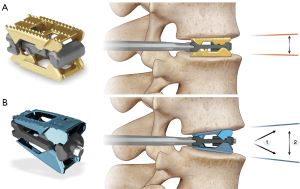
Spine surgery has undergone remarkable advancements over the past decade, with a focus on improving patient outcomes and reducing recovery time. One of the most significant innovations in spinal fusion procedures is the introduction of expandable interbody cages. These state-of-the-art implants have revolutionized how surgeons restore spinal alignment, stability, and balance. Dr. Vignesh Pushparaj, a highly experienced spine surgeon in Chennai with over 15 years of expertise, specializes in advanced treatments for scoliosis, disc disorders, and complex spinal deformities. His commitment to adopting modern surgical technologies such as expandable spinal cages ensures safer surgeries and better long-term results for his patients. What is an Expandable Interbody Cage? An expandable interbody cage is a specialized implant used during spinal fusion surgery. It is designed to be inserted in a collapsed state and then expanded once inside the intervertebral space. This expansion restores proper disc height, corrects spinal alignment, and promotes solid bone fusion between vertebrae. Unlike static cages, which come in fixed sizes, expandable cages can be adjusted intraoperatively, allowing surgeons to customize the height and angle according to each patient’s spinal anatomy. These implants are typically made from materials like titanium or PEEK, which provide strength, biocompatibility, and radiolucency for better imaging during follow-up assessments. How Do Expandable Spinal Cages Work? The working mechanism of expandable spinal cages is based on controlled mechanical expansion. During surgery: The cage is inserted in a collapsed or compact form through a minimally invasive approach. Once positioned between the vertebrae, it is expanded gradually to the desired height. This restores the disc space, decompresses nerves, and realigns the spine. Bone graft material is packed inside and around the cage to facilitate spinal fusion. This controlled expansion enhances surgical precision, minimizes tissue disruption, and ensures optimal spinal alignment. The biomechanics of expandable spinal implants allow for improved load distribution and better bone integration, contributing to long-term stability and fusion success. Expandable vs Static Cage: Pros and Cons Advantages of Expandable Cages Customizable height and angle for precise correction Smaller insertion size reduces nerve and tissue damage Improved restoration of spinal height and sagittal balance Enhanced fusion potential due to better endplate contact Ideal for minimally invasive spine surgeries Limitations Compared to Static Cages Slightly higher cost Requires surgical expertise and advanced instrumentation Long-term comparative data is still being studied Expandable vs Static Cage Pros and Cons – Summary While both static and expandable cages aim to achieve spinal fusion, expandable cages offer greater adjustability, improved biomechanics, and patient-specific alignment correction—making them the preferred choice in modern spinal fusion procedures. Benefits of Expandable Cages Over Static Cages The benefits of expandable cages over static cages extend beyond surgical convenience. These innovative implants: Allow for real-time customization during surgery Improve fusion rates and long-term spinal stability Restore natural curvature and disc height effectively Reduce postoperative pain due to less muscle disruption Shorten hospital stay and accelerate rehabilitation By offering precision and flexibility, expandable interbody cages have set a new standard in spinal fusion techniques. How Expandable Cages Improve Sagittal Balance? Sagittal balance refers to the natural curvature and alignment of the spine when viewed from the side. Maintaining this balance is critical for posture, stability, and pain-free movement. Expandable cages help restore sagittal alignment by allowing surgeons to adjust the implant’s height and angle intraoperatively. This precise control improves spinal curvature and helps distribute body weight evenly, reducing long-term stress on adjacent segments. Under the expertise of Dr. Vignesh Pushparaj, one of the leading spine surgeons in Chennai, patients benefit from tailored surgical plans that focus on restoring both spinal stability and sagittal balance. Biomechanics of Expandable Spinal Implants The biomechanics of expandable spinal implants play a key role in their success. These implants are designed to: Provide optimal load sharing between the implant and vertebral bone Maintain intervertebral height over time Promote even distribution of stress, reducing the risk of implant subsidence Enhance bone fusion by increasing endplate contact area With advanced engineering and precision manufacturing, expandable implants combine flexibility with durability, leading to improved surgical outcomes and long-term spinal health. Are Expandable Cages Better for Spine Fusion? Yes, in many cases, expandable cages are better for spine fusion. They offer superior adaptability, improved fusion rates, and better restoration of spinal anatomy compared to static cages. Because of their expandable nature, surgeons can fine-tune the implant position, promoting optimal bone graft placement and load distribution—two crucial factors for successful fusion. As a leading spine surgeon in Chennai, Dr. Vignesh Pushparaj has extensive experience using expandable cages in complex spine surgeries, ensuring precision-driven outcomes and enhanced patient recovery. Recovery Time After Expandable Cage Surgery The recovery time after expandable cage surgery depends on the patient’s age, overall health, and the extent of the procedure. However, due to the minimally invasive nature of expandable implants, most patients experience: Shorter hospital stays Faster mobility within days of surgery Reduced postoperative discomfort Gradual return to normal activities within a few weeks With appropriate physiotherapy and follow-up care, patients can expect steady improvements and long-lasting results. When Should You Consider Expandable Cage Surgery? Expandable cage surgery may be recommended for patients suffering from: Degenerative disc disease Spinal stenosis Scoliosis or kyphosis Disc collapse or instability Revision spine surgeries If you experience chronic back pain, leg numbness, or spinal deformity, consulting an expert spine surgery doctor in Chennai like Dr. Vignesh Pushparaj can help determine whether an expandable interbody cage is the right solution for your condition. Why Choose Dr. Vignesh Pushparaj for Spine Surgery in Chennai? 15+ years of experience in complex and minimally invasive spine surgery Expertise in advanced technologies like expandable interbody cages Specialized in scoliosis correction, disc disorders, and spinal deformities Patient-centric approach focused on safety, precision, and long-term recovery Trusted by hundreds of patients seeking world-class spine surgery in Chennai Conclusion Expandable interbody cages represent a breakthrough in spinal fusion surgery—offering precision, customization, and faster recovery. They address the limitations of static implants while significantly improving spinal alignment and patient comfort. For individuals suffering from spinal
When Back Pain Is More Than Just Strain

Most of us will experience back pain at some point in our lives. Often, it’s a result of muscle strain, a herniated disc, or age-related wear and tear, and it typically resolves with rest and conservative care. However, in some cases, persistent pain can be a red flag for a more serious underlying condition. Understanding the difference is crucial for your long-term health and well-being. With over 15 years of dedicated expertise in complex spine care, Dr. Vignesh Pushparaj helps patients across Chennai and Tamil Nadu identify when back pain is serious and provides advanced, compassionate back pain treatment in Chennai. This guide will help you recognize the potential spinal cord tumor warning signs and know precisely when to see a doctor for back pain. Understanding Spinal Tumors: More Than Just Back Pain A spinal tumor is an abnormal, uncontrolled growth of cells within or surrounding the spinal cord or spinal column. While the thought can be understandably alarming, it’s important to know that many spinal tumors are treatable, especially when detected early. They can be categorized as: Primary Tumors: Originating in the spine itself (less common). Metastatic Tumors: Resulting from cancer that has spread (metastasized) from another part of the body, such as the breast, lung, or prostate (more common). The key to differentiating a tumor from common back pain lies in the nature of the pain itself. Typical musculoskeletal pain often improves with rest, changes with movement or position, and can usually be linked to a specific activity or injury. In contrast, pain linked to a tumor is often unrelenting, progressive, and behaves differently. Key Warning Signs: Is My Back Pain a Tumor? It’s a pressing question many patients have: “Can back pain be a sign of cancer?” or more directly, “Is my back pain a tumor?” While it is not the most common cause, certain specific symptoms should prompt a deeper investigation. Be vigilant for these spinal tumor symptoms: Pain That Behaves Differently Pain that worsens at night: Classic muscle pain usually eases when you rest. A tell-tale spinal cord tumor warning sign is pain that intensifies when you lie down, often severe enough to wake you from sleep. Pain that doesn’t improve with rest: Unlike a simple strain, this pain persists regardless of your activity level or how carefully you rest. Radicular pain: This is a sharp, burning, or shooting pain that radiates from your back into your arms, legs, or chest. It is caused by the tumor compressing and irritating a spinal nerve root. Neurological Symptoms Beyond Pain These are critical indicators that signal pressure on the spinal nerves or the cord itself. They answer the question of when back pain is serious. Numbness, Tingling, or Loss of Sensation: A persistent “pins and needles” feeling or loss of sensation in your limbs, hands, or feet. Muscle Weakness: Noticeable loss of strength in your arms or legs, making it difficult to grip items, walk, or rise from a chair. Loss of Bladder or Bowel Control: This is a major red flag requiring immediate medical attention. Difficulty Walking: Clumsiness, a loss of balance, or a feeling of heaviness in your legs that affects your coordination. Systemic and Unexplained Symptoms Unexplained Weight Loss: Losing a significant amount of weight without any changes to your diet or exercise routine. History of Cancer: A known personal history of cancer increases the risk of a metastatic spinal tumor. General Malaise: Unexplained fever, chills, or fatigue accompanied by back pain. When to See a Doctor for Back Pain: Dr. Vignesh’s Expert Advice? You should seek a professional evaluation from a specialist if your pain is: Persistent and Progressive: Does not improve after a few weeks of conservative care like rest, physical therapy, or medication. Severe and Unrelenting: Is not alleviated by over-the-counter pain medication. Accompanied by Any Neurological Symptoms: Such as numbness, weakness, or bladder/bowel issues. Worse at Night: Disrupts your sleep consistently. Linked to a History of Cancer. Early diagnosis is paramount for the most effective back pain treatment in Chennai and achieving the best possible outcome. Ignoring these signs can lead to permanent neurological damage. Diagnosis and Treatment: The Path to Relief with a Specialist If a spinal tumor is suspected, Dr. Vignesh Pushparaj will conduct a thorough and meticulous evaluation to determine the exact cause of your pain and create a personalized treatment plan tailored to your specific condition. Advanced Diagnostic Techniques Detailed Medical History and Physical Exam: A comprehensive assessment of your symptoms, reflexes, muscle strength, and sensory functions. Imaging Studies: Magnetic Resonance Imaging (MRI) is the gold standard for visualizing soft tissues like the spinal cord and identifying tumors. CT scans and X-rays may also be used to assess the bony structures of the spine. Biopsy: In many cases, a small tissue sample is needed to determine the exact type of tumor, which is critical for planning the most effective treatment. When to See a Doctor for Back Pain: Dr. Vignesh’s Expert Advice? You should seek a professional evaluation from a specialist if your pain is: Persistent and Progressive: Does not improve after a few weeks of conservative care like rest, physical therapy, or medication. Severe and Unrelenting: Is not alleviated by over-the-counter pain medication. Accompanied by Any Neurological Symptoms: Such as numbness, weakness, or bladder/bowel issues. Worse at Night: Disrupts your sleep consistently. Linked to a History of Cancer. Early diagnosis is paramount for the most effective back pain treatment in Chennai and achieving the best possible outcome. Ignoring these signs can lead to permanent neurological damage. Diagnosis and Treatment: The Path to Relief with a Specialist If a spinal tumor is suspected, Dr. Vignesh Pushparaj will conduct a thorough and meticulous evaluation to determine the exact cause of your pain and create a personalized treatment plan tailored to your specific condition. Advanced Diagnostic Techniques Detailed Medical History and Physical Exam: A comprehensive assessment of your symptoms, reflexes, muscle strength, and sensory functions. Imaging Studies: Magnetic Resonance Imaging (MRI) is the gold standard for visualizing soft tissues like the spinal cord and identifying tumors. CT scans and X-rays may also be used to assess the bony structures of the spine. Biopsy: In many cases, a small tissue sample is needed to determine the exact type of tumor, which is critical for
Enhanced Recovery After Spine Surgery
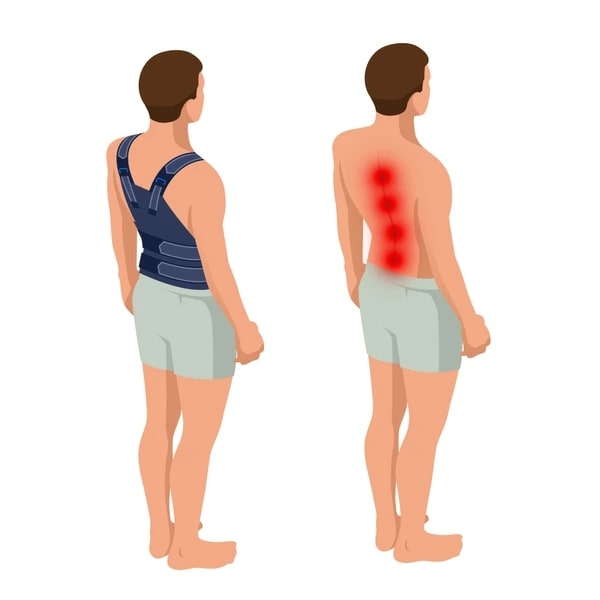
For decades, spine surgery was associated with significant pain, a long hospital stay, and a challenging recovery process. Today, that narrative is being completely rewritten. At the heart of this change is the Enhanced Recovery After Surgery (ERAS) protocol—a comprehensive, evidence-based approach designed to optimize your care before, during, and after surgery to achieve a faster, smoother, and more comfortable recovery. As a spine surgeon, I have witnessed firsthand how technological innovation is the powerful engine driving these advanced ERAS protocols. This integration of advanced technology is transforming spine surgery into a safer, more precise, and less daunting experience for my patients in Chennai and across India. This page will guide you through how these new technologies are creating a new standard of care. The Foundation: Core Principles of ERAS in Spine Surgery Before delving into the exciting new technologies, it’s crucial to understand the three pillars of the ERAS pathway. These principles form the bedrock upon which all technological advancements are built. The Three Pillars of the ERAS Pathway Preoperative Optimization: Preparing for Success The journey to a successful recovery begins long before the surgery. The goal is to prepare your body and mind to withstand the surgical stress and heal effectively. Patient Education and Expectation Management: We ensure you fully understand the procedure, the recovery process, and your vital role in it. Knowing what to expect significantly reduces anxiety and improves cooperation. Nutritional Counseling and Prehabilitation: We may recommend a specific diet to build strength and sometimes a course of “prehab”—physical therapy before surgery—to condition your body. Medical Optimization: We carefully manage any existing conditions like anemia or diabetes to ensure you are in the best possible health for surgery. Intraoperative Management: Minimizing Surgical Impact This phase focuses on employing techniques during the operation itself to reduce the body’s stress response. Minimally Invasive Surgical Approaches: Prioritizing techniques that spare muscles and soft tissues over traditional open surgeries. Precise Anesthesia Protocols (Multimodal Analgesia): Using a combination of non-opioid pain relief methods (local anesthetics, nerve blocks) to manage pain more effectively and reduce the need for opioids. Reduced Use of Drains and Catheters: Minimizing invasive tubes to enhance comfort and allow for earlier mobility. Postoperative Accelerators: Promoting Rapid Healing The focus immediately after surgery is to actively encourage your body’s natural healing processes. Early Mobilization: Getting you out of bed and walking as soon as possible—often on the same day of surgery—to prevent complications and speed up recovery. Aggressive Pain Control with Reduced Opioids: Continuing multimodal pain strategies to keep you comfortable without the debilitating side effects of heavy opioids. Early Feeding and Hydration: Encouraging drinking and eating soon after surgery to replenish energy and aid healing. The Technological Vanguard: New Tools Powering Modern ERAS The core ERAS principles are now being supercharged by a suite of advanced technologies, allowing for unprecedented levels of precision and safety. Advanced Surgical Planning & Augmented Reality (AR) From 2D Scans to 3D Digital Twins Gone are the days of relying solely on 2D MRI or CT scans. We now use sophisticated software to convert your scans into a precise 3D digital model of your spine. This “digital twin” allows me to plan every step of your procedure in a virtual environment. I can determine the optimal trajectory for screw placement, choose the perfect implant size, and anticipate potential challenges long before entering the operating room. Augmented Reality in the Operating Room This is where the digital plan meets the physical world. Using AR headsets or screens, I can see the planned screw pathways and anatomical structures overlaid onto my real-world view of the surgical field. It acts like a GPS for your spine. Patient Impact: Enhanced Precision: Guides perfect implant placement, drastically minimizing the risk to delicate nerves and blood vessels. Smaller Incisions: Allows for the most minimally invasive approach with absolute confidence, as I can “see” beneath the surface. Reduced Radiation: Significantly reduces or even eliminates the need for repeated X-rays (fluoroscopy) during surgery, enhancing safety for both you and the surgical team. Robotic-Assisted Spine Surgery The Surgeon’s Robotic Partner It is vital to understand that the robot does not perform surgery on its own. It is an intelligent tool that I control. The robotic arm executes the preoperative plan with sub-millimeter accuracy, providing unmatched stability and guidance. Direct Benefits for ERAS and Recovery The precision of robotics translates directly into tangible benefits that align perfectly with ERAS goals. Unmatched Accuracy: Studies show robotic assistance leads to extremely high rates of perfect screw placement, virtually eliminating the need for revision surgery due to misplaced hardware. Minimized Tissue Damage: The robot’s guidance allows for a precise, pre-planned pathway, meaning less muscle dissection, tearing, and overall tissue trauma. Impact: This directly results in less postoperative pain, significantly reduced blood loss, and a faster, easier pathway to getting out of bed and walking—the cornerstone of ERAS. Next-Generation Minimally Invasive Techniques Beyond Smaller Scars Minimally Invasive Spine Surgery (MISS) is a philosophy backed by advanced technology. Tubular Retractor Systems: These create a small, tunneled corridor to access the spine, pushing muscles aside instead of cutting through them, which preserves their function and integrity. Endoscopic Spine Surgery: For certain conditions like disc herniations or spinal stenosis, we can use an endoscope—a thin tube with a high-definition camera—through an incision as small as a keyhole. The ERAS Connection Preserves Anatomy: By leaving muscles and ligaments largely intact, the body experiences less surgical trauma. Faster Functional Recovery: Patients experience less pain immediately after surgery, often walk within hours, and typically enjoy a much shorter hospital stay, sometimes even returning home the same day. Intelligent Intraoperative Monitoring (IOM) The “Guardian Angel” for Nerves IOM is a sophisticated technology that continuously monitors the function of your spinal cord and nerves throughout the operation. It provides real-time auditory and visual feedback the instant a nerve’s function shows even the slightest change. Patient Impact Proven Safety: This immediate warning system allows me to adjust surgical instruments or implants instantly, dramatically lowering the risk of neurological injury. Surgeon Confidence: For complex procedures like scoliosis correction, IOM provides the confidence to achieve the best possible alignment knowing that the nervous
Unilateral Biportal Endoscopic Spine Surgery Explained
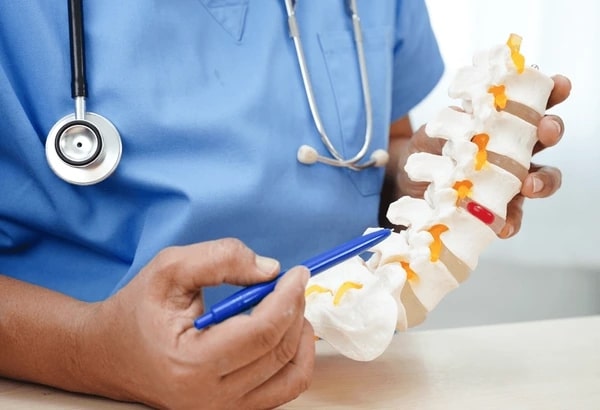
For decades, patients with debilitating spine conditions faced a difficult choice: endure the pain or undergo traditional open surgery with a long and painful recovery. Minimally Invasive Surgery (MIS) changed the game, but now, a new technique is raising the bar even higher. Welcome to the era of Unilateral Biportal Endoscopic Spine Surgery (ULESS), a revolutionary procedure that offers unparalleled precision and dramatically faster recovery. Led by Dr. Vignesh Pushparaj, a renowned endoscopic spine surgeon in Chennai with over 15 years of expertise, our practice is at the forefront of bringing this advanced technology to patients. This page will explore what ULESS is and why many consider it the new benchmark, potentially marking the end of traditional MIS for many conditions. What is Unilateral Biportal Endoscopic Spine Surgery (ULESS)? Unilateral Biportal Endoscopic Spine Surgery (ULESS) is a next-generation, minimally invasive surgical technique that represents a significant leap forward in spinal care. The “unilateral” refers to one side of the spine, while “biportal” means the surgeon uses two very small incisions (portals) instead of one. Through one portal, a continuous saline irrigation and a high-definition endoscopic camera are inserted, providing a magnified, crystal-clear view of the surgical area on a monitor. Through the second portal, specialized surgical instruments are introduced to perform the procedure. This elegant approach combines the superior visualization of endoscopy with the familiar instrument maneuverability of open surgery, but through tiny keyholes. How ULESS Differs from Other Techniques? It’s important to understand how ULESS compares to other surgical methods to appreciate its advantages: Traditional Open Surgery: Involves a large incision (5-10 cm), significant muscle stripping and cutting, and longer healing times due to extensive tissue damage. Standard MIS (Microdiscectomy/Tubular): Uses a single, larger tube to funnel instruments and a microscope for visualization. It is less invasive than open surgery but the tube can limit movement, and the view is often restricted. Uniportal Endoscopy (Single-Port): Uses a single small incision for both the endoscope and instruments. While minimally invasive, the close proximity of tools can limit maneuverability in complex cases. ULESS (Biportal Endoscopy): Uses two small, separate portals (each less than 1 cm), creating a “triangulation” effect. This provides surgeons like Dr. Vignesh Pushparaj with a much larger and more adaptable working area, superior fluid management for a clear view, and the freedom to use a wider array of instruments, mimicking the fluidity of open surgery with minimal tissue disruption. The ULESS Procedure: A Step-by-Step Overview Understanding the steps of the ULESS procedure can help alleviate patient anxiety. Performed under general or spinal anesthesia, it is a testament to surgical elegance and precision. Step 1: Preparation and Positioning The patient is positioned carefully on the operating table to allow optimal access to the affected area of the spine. Advanced imaging like a C-arm (live X-ray) is used to precisely identify the target vertebral level. Step 2: Creating the Two Portals Two miniature incisions, each less than 1 cm long (about the size of a fingertip), are made on either side of the midline of the spine. Step 3: Endoscopic Visualization and Instrumentation The endoscope is inserted through one portal, flooding the area with saline which provides a clear, bloodless view and maintains pressure to minimize bleeding. Specialized instruments (e.g., drills, shavers, graspers) are inserted through the second portal. Step 4: Addressing the Pathology Under the magnified HD view on a large monitor, Dr. Vignesh Pushparaj meticulously performs the necessary surgery, such as removing a herniated disc fragment, trimming bone spurs, or decompressing a pinched nerve root. Step 5: Closure and Recovery The instruments are removed. The tiny incisions often require just a stitch or two or are simply closed with steri-strips, leaving minimal scarring. Patients are usually encouraged to walk within a few hours of surgery. Benefits of ULESS Spine Surgery: Why Choose This Advanced Technique? The benefits of ULESS spine surgery are significant, making it a highly attractive option for eligible patients seeking the best possible outcome. Superior Visualization: The high-definition camera provides a clearer, magnified, and wider panoramic view of the surgical site than even a microscope. Minimal Tissue Damage: The technique preserves muscles, ligaments, and natural anatomy, avoiding the collateral damage common in open surgery. Faster Recovery and Shorter Hospital Stay: Due to minimal tissue trauma, most patients experience a rapid recovery and can go home within 24-48 hours. Reduced Post-Operative Pain: Smaller incisions and less muscle trauma mean significantly less pain after surgery, reducing reliance on strong pain medications. Lower Risk of Infection: The constant saline irrigation cleans the area throughout the procedure, and the smaller wound size drastically reduces the risk of infection. Minimal Blood Loss: The procedure is virtually bloodless. Excellent Outcomes: The precision and completeness of decompression achieved with ULESS lead to highly effective relief of symptoms and high patient satisfaction rates. ULESS vs Traditional Spine Surgery: A Clear Advantage This comparison clearly shows why ULESS is considered a transformative technology and a superior alternative to many traditional methods. Feature ULESS (Biportal Endoscopy) Traditional Open Surgery Standard MIS (Tubular) Incision Size Two ~1 cm incisions One 5-10 cm incision One 2-3 cm incision Muscle Damage Minimal, muscles are dilated Significant stripping and cutting Moderate, muscles are stretched Visualization HD, Magnified, Wide-Angle Endoscopic View Direct or Microscopic View Limited Microscopic View down a tube Blood Loss Minimal Significant Moderate Hospital Stay 1-2 Days 4-7 Days 2-3 Days Recovery Time Weeks Months 1-2 Months Scarring Virtually invisible Large, noticeable scar Small scar How Safe is ULESS Surgery? When performed by a highly skilled and specially trained surgeon like Dr. Vignesh Pushparaj, ULESS surgery is exceptionally safe. The enhanced, magnified visualization is its greatest safety feature, allowing for precise manipulation and confident avoidance of critical neural structures like nerves and the dura. The risk of complications such as dural tears, nerve injury, or infection is statistically lower than in traditional open surgery. As with any surgical procedure, individual risks depend on the patient’s specific condition and overall health, all of which Dr. Vignesh will discuss in detail during a personal consultation. Applications of ULESS for Lumbar Spine Problems ULESS for lumbar spine problems is highly versatile and effective. It is a premier treatment
Endoscopic Spine Surgery for Spinal Stenosis
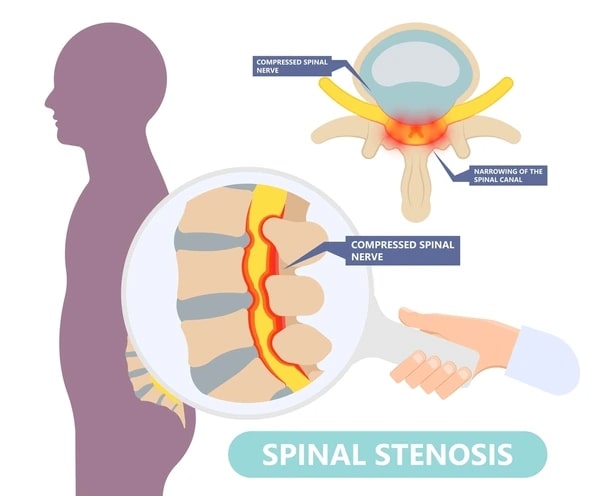
Spinal stenosis is a common yet often debilitating condition that affects thousands of individuals, especially older adults. When non-surgical treatments no longer offer relief, surgical intervention may be necessary. Among the advanced surgical options, endoscopic spine surgery for spinal stenosis is gaining traction for its precision, minimal invasiveness, and faster recovery. Dr. Vignesh Pushparaj, a leading spine surgeon in Chennai with over 15 years of experience, specializes in treating complex spinal disorders using the latest surgical advancements, including endoscopic spine surgery in Chennai. In this blog, we’ll explore what research says about this innovative procedure and why it’s becoming a preferred option for many patients. What is Spinal Stenosis? Understanding the Condition Spinal stenosis refers to the narrowing of spaces within the spinal canal, which can compress the spinal cord or nerves. This narrowing can occur in the cervical (neck), thoracic (mid-back), or lumbar (lower back) regions. Common Symptoms Include: Persistent lower back pain Numbness or tingling in the legs or arms Difficulty walking or standing for long periods Muscle weakness in limbs Loss of bladder or bowel control (in severe cases) Causes of Spinal Stenosis: Age-related degeneration Herniated discs Thickened ligaments Bone spurs (osteophytes) Congenital spinal narrowing What is Endoscopic Spine Surgery? Endoscopic spine surgery is a minimally invasive procedure that uses a small tubular system and a camera (endoscope) to access the spine. This technique allows surgeons to visualize and treat the affected area with minimal disruption to surrounding tissues. Why It’s Gaining Popularity? Tiny incisions (less than 1 cm) Minimal muscle and tissue damage Reduced pain post-surgery Outpatient procedure in many cases Faster return to normal activities Is Endoscopic Surgery Effective for Spinal Stenosis? What Research Says? Recent studies have shown high success rates for endoscopic spine surgery for spinal stenosis, with outcomes comparable to traditional open surgery. According to published clinical data: Symptom relief in 80–90% of patients Lower complication rates Shorter hospital stays and quicker rehabilitation Improved patient satisfaction scores How Effective is Endoscopic Surgery for Spinal Stenosis? Research suggests that endoscopic surgery is particularly effective in: Lumbar spinal stenosis Foraminal stenosis Lateral recess stenosis Patients report long-term relief from pain, improved mobility, and better quality of life when performed by an experienced endoscopic spine surgery doctor in Chennai like Dr. Vignesh Pushparaj. Benefits of Endoscopic Spine Surgery Choosing endoscopic spine surgery in Chennai comes with several advantages: ✅ Smaller incision = less scarring ✅ Less blood loss during surgery ✅ Reduced risk of infection ✅ Same-day discharge in many cases ✅ Faster recovery and rehabilitation ✅ Preserves healthy spinal tissues and muscles Who is a Candidate for Endoscopic Spine Surgery? Not every patient with spinal stenosis needs surgery, and not all are candidates for endoscopic procedures. Ideal Candidates: Patients with moderate spinal stenosis Individuals who have not responded to conservative treatments (like physical therapy, medications, injections) Those with localized nerve compression Patients seeking a minimally invasive alternative Not Recommended For: People with severe spinal deformities Patients with instability or multi-level stenosis Those with prior unsuccessful spinal surgeries A detailed consultation with an expert like Dr. Vignesh Pushparaj can help determine if endoscopic spine surgery is the right approach for you. Spinal Stenosis Surgery Recovery Time One of the biggest advantages of endoscopic surgery is the reduced recovery period. What to Expect: 1–2 weeks for return to light activities 4–6 weeks for full recovery (may vary per individual) Most patients walk the same day of surgery Physical therapy is usually recommended for optimal healing Compared to traditional open surgery, spinal stenosis surgery recovery time is significantly shorter and less painful with the endoscopic approach. Why Choose Endoscopic Spine Surgery in Chennai with Dr. Vignesh Pushparaj Expertise That Matters Dr. Vignesh Pushparaj brings over 15 years of surgical experience in managing complex spinal disorders including scoliosis, disc herniation, and stenosis. As one of the most trusted names in endoscopic spine surgery in Chennai, he provides: Advanced diagnostic techniques Precision-driven surgical care Personalized recovery plans Trusted Endoscopic Spine Surgery Doctor in Chennai With a commitment to patient-centered care, Dr. Pushparaj ensures every patient receives the highest standard of treatment. His expertise in minimally invasive techniques allows patients to heal faster and get back to doing what they love. FAQs: Endoscopic Spine Surgery for Spinal Stenosis Q1: What is the best surgery for spinal stenosis? A: While multiple surgical options exist, endoscopic spine surgery is considered one of the best surgeries for spinal stenosis due to its minimal invasiveness, faster recovery, and high success rate. Q2: Is endoscopic surgery effective for spinal stenosis? A: Yes. Clinical studies and patient outcomes consistently show that endoscopic surgery is highly effective for spinal stenosis, especially when performed by an experienced spine surgeon. Q3: What is the spinal stenosis surgery recovery time? A: Most patients recover within 4–6 weeks, with many resuming light activities within 1–2 weeks post-surgery. Q4: How effective is endoscopic surgery for spinal stenosis in the long term? A: Long-term effectiveness is excellent, with sustained symptom relief and lower rates of complications when compared to traditional open surgeries. Q5: Who is a candidate for endoscopic spine surgery? A: Candidates include patients with localized spinal stenosis, no spinal instability, and those unresponsive to non-surgical treatments. Consult a specialist to confirm eligibility. Q6: Where can I find the best endoscopic spine surgery in Chennai? A: Dr. Vignesh Pushparaj is a renowned endoscopic spine surgery doctor in Chennai, offering advanced surgical options and compassionate care. Conclusion Endoscopic spine surgery for spinal stenosis offers a transformative solution for patients seeking relief without the long recovery times and risks associated with traditional surgery. Backed by research and successful outcomes, this technique is redefining spinal care. If you’re struggling with spinal stenosis and are looking for a minimally invasive solution, consult Dr. Vignesh Pushparaj, one of the best endoscopic spine surgery doctors in Chennai, to explore your treatment options.
Is Endoscopic Spine Surgery Effective for Sciatica?
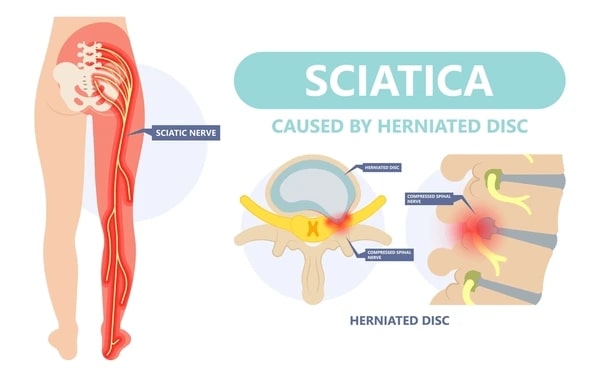
Sciatica is a common yet often debilitating condition that affects millions of individuals worldwide. Characterised by radiating pain along the sciatic nerve—which runs from the lower back down through the hips and legs—sciatica can severely disrupt daily activities. While many patients find relief through conservative treatments, some require surgical intervention for long-term relief. One of the most advanced and promising surgical options today is endoscopic spine surgery for sciatica. But how effective is it really? In this blog, we explore the benefits, effectiveness, and recovery involved in this innovative technique. Dr. Vignesh Pushparaj, a leading endoscopic spine surgery doctor in Chennai with over 15 years of experience, specialises in treating complex spinal disorders, including sciatica, using advanced minimally invasive techniques. What is Sciatica? Sciatica refers to the pain caused by compression or irritation of the sciatic nerve. It is often a result of spinal disc herniation, bone spurs, or spinal stenosis. Common symptoms include: Sharp, shooting pain in the lower back, buttock, or leg Tingling or numbness in the legs or feet Muscle weakness in the affected limb When is Surgery Recommended for Sciatica? While non-surgical methods such as physiotherapy, medications, and lifestyle modifications are the first line of treatment, surgery becomes necessary when: Conservative treatments fail after several weeks or months Symptoms worsen or lead to neurological deficits There is significant disc herniation causing nerve compression Quality of life is severely affected What is Endoscopic Spine Surgery? Overview of the Procedure Endoscopic spine surgery is a minimally invasive surgery for sciatica that uses a small tubular system and an endoscope (a camera-equipped device) to access the spine. The procedure allows surgeons to remove the portion of the disc or tissue pressing on the sciatic nerve without making large incisions. Benefits of Endoscopic Spine Surgery for Sciatica Small incisions (usually less than 1 cm) Minimal damage to surrounding muscles and tissues Reduced blood loss Less post-operative pain Faster recovery time Shorter hospital stay or even day-care surgery Lower risk of infection and scarring Endoscopic Spine Surgery for Sciatica: Is It Effective? Clinical Evidence and Success Rates Studies and clinical practice show that endoscopic spine surgery for sciatica has a high success rate—often above 90% in selected patients. Most patients report: Immediate or rapid relief from sciatic pain Improved mobility Lower recurrence rates compared to traditional surgery Advantages Over Traditional Surgery Less trauma to surrounding tissues Performed under local or general anaesthesia Quick return to work and normal activities Better cosmetic outcomes due to tiny incisions Is Endoscopic Spine Surgery Right for Everyone with Sciatica? Ideal Candidates Endoscopic surgery is suitable for patients who: Have a single-level disc herniation confirmed by MRI Have symptoms not responding to conservative treatment Prefer a minimally invasive surgery for sciatica with quicker recovery Who May Not Be a Candidate? This procedure may not be ideal for those with: Severe spinal instability Multi-level disc disease Complex deformities requiring extensive reconstruction Sciatica Pain Treatment Surgery Options: Comparing Techniques Endoscopic Spine Surgery Minimally invasive Minimal tissue damage Fast recovery Microdiscectomy Traditional yet still effective Slightly more invasive Typically performed under general anaesthesia Laminectomy Suitable for spinal stenosis Removes part of the vertebra to relieve pressure Longer recovery compared to endoscopy Dr. Vignesh Pushparaj helps determine the best surgery for sciatica nerve pain tailored to each patient’s specific condition. Spine Surgery Pain Management in Chennai: What to Expect Post-Surgery? Postoperative Care Prescription medications to manage inflammation and pain Early mobilisation under physiotherapist guidance Follow-up imaging to monitor healing Recovery Timeline Discharge on the same or next day Return to light work within 1-2 weeks Resume full activities within 4-6 weeks Why Choose Dr. Vignesh Pushparaj for Endoscopic Spine Surgery in Chennai? Over 15 years of experience in treating spinal conditions Expertise in disc disorders, scoliosis, and minimally invasive spine surgery One of the most trusted names for endoscopic spine surgery in Chennai Personalised treatment plans with advanced spine surgery pain management in Chennai Proven track record of successful outcomes and high patient satisfaction FAQs: Endoscopic Spine Surgery for Sciatica Q1: How effective is spine surgery for sciatica? Spine surgery, particularly endoscopic procedures, offers up to 90% success in relieving sciatic nerve compression when performed on suitable candidates. Q2: What is the best surgery for sciatica nerve pain? Endoscopic spine surgery is considered the best option for many patients due to its minimally invasive nature, faster recovery, and excellent long-term outcomes. Q3: What is the recovery time after endoscopic spine surgery for sciatica? Most patients resume light activities within 1-2 weeks and full activity within a month, depending on the extent of the procedure. Q4: Is endoscopic spine surgery painful? It involves significantly less pain compared to open surgery, and modern spine surgery pain management in Chennai ensures a comfortable recovery. Q5: Where can I get endoscopic spine surgery in Chennai? Consult Dr. Vignesh Pushparaj, a renowned endoscopic spine surgery doctor in Chennai, for expert diagnosis and treatment planning. Conclusion Endoscopic spine surgery for sciatica is an effective, safe, and patient-friendly option for those suffering from chronic sciatic pain. With high success rates and minimal downtime, it has become the preferred choice for many. If you’re considering sciatica pain treatment surgery, consult Dr. Vignesh Pushparaj, a top expert in endoscopic spine surgery in Chennai, for a comprehensive evaluation and personalised care plan.
Is Endoscopic Spine Surgery Painful? | Myths vs. Facts
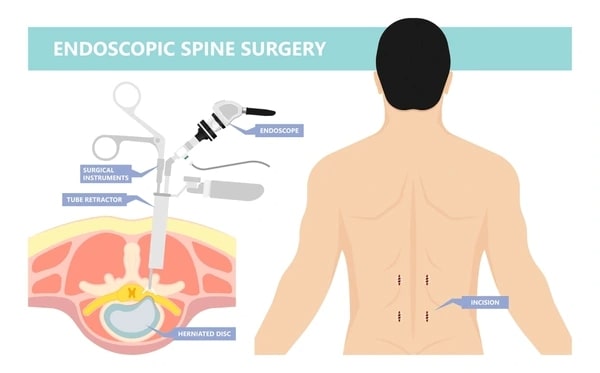
Endoscopic spine surgery has revolutionized the way we treat spinal conditions, offering a minimally invasive solution with faster recovery and minimal pain. However, many patients still hesitate due to misconceptions about pain and recovery. In this blog, we’ll debunk common myths and shed light on the real experience of endoscopic spine surgery. Dr. Vignesh Pushparaj, a leading spine surgeon in Chennai with over 15 years of experience, specializes in treating complex spinal conditions like scoliosis and disc disorders using advanced endoscopic techniques. His expertise ensures safer procedures and better outcomes for patients. What is Endoscopic Spine Surgery? A Minimally Invasive Technique Endoscopic spine surgery is a modern technique that uses a small incision and a high-definition endoscope to access the spine. Unlike traditional open surgery, it causes minimal disruption to muscles and tissues, which leads to reduced pain and quicker recovery. Common Conditions Treated Herniated or slipped discs Degenerative disc disease Spinal stenosis Sciatica and nerve root compression Is Endoscopic Spine Surgery Painful? Myth vs. Reality Myth: All spine surgeries are extremely painful.Fact: Endoscopic spine surgery is designed to minimize pain. Most patients report only mild to moderate discomfort, which is manageable with medication and proper care. What Patients Can Expect? While some soreness is expected after surgery, the pain after endoscopic spine surgery is significantly less than traditional surgery. Advanced techniques and smaller incisions mean fewer nerves and tissues are affected. Common Myths About Endoscopic Spine Surgery Myth 1: You’ll Be in Bed for Weeks Fact: Most patients start walking within a few hours after the procedure. The recovery time for endoscopic spine surgery is much shorter, allowing patients to return to daily activities within 1–2 weeks. Myth 2: It’s Just as Risky as Traditional Surgery Fact: On the contrary, endoscopic techniques involve fewer complications, reduced bleeding, and lower infection risks. Myth 3: Pain Medications Are Needed for Months Fact: Most patients need pain medications only for a few days. Effective spine surgery pain management in Chennai, especially under the care of experts like Dr. Vignesh Pushparaj, ensures faster and more comfortable recovery. Pain Management After Endoscopic Spine Surgery Techniques Used to Minimize Pain Local anesthesia and light sedation during surgery Post-operative anti-inflammatory and pain relief medications Ice packs and rest in the initial days Role of Surgeon Expertise Choosing an experienced surgeon plays a critical role in minimizing pain and ensuring smooth recovery. As a trusted endoscopic spine surgery doctor in Chennai, Dr. Vignesh Pushparaj uses precision tools and advanced pain management protocols for optimal results. Benefits of Endoscopic Spine Surgery Small incision with minimal scarring Less tissue and muscle damage Reduced hospital stays (often same-day discharge) Faster return to work and daily life Lower risk of complications Personalized care with expert endoscopic spine surgery in Chennai Recovery Timeline – What to Expect Immediate post-surgery Patients are encouraged to walk on the same day or next morning Light activity resumes quickly 1–2 Weeks Post-Surgery Gradual resumption of normal activities Walking and light stretching exercises 4–6 Weeks Post-Surgery Most patients return to work (especially desk jobs) Near complete recovery in many cases Why Choose Dr. Vignesh Pushparaj for Endoscopic Spine Surgery in Chennai? 15+ years of surgical expertise in treating scoliosis, disc disorders, and complex spinal conditions Advanced endoscopic tools and techniques for precision surgery Patient-first approach with customized care plans Renowned for effective spine surgery pain management in Chennai Excellent outcomes with fast recovery and minimal discomfort Conclusion So, is endoscopic spine surgery painful? The answer is largely a myth. With minimal invasiveness, reduced tissue damage, and expert care, patients experience significantly less pain and a smoother recovery. Don’t let myths hold you back. Consult Dr. Vignesh Pushparaj, your trusted endoscopic spine surgery doctor in Chennai, and take the first step toward a pain-free life. FAQs How long is the recovery time for endoscopic spine surgery? Recovery typically takes 2 to 6 weeks, depending on the severity of the condition and patient health. What kind of anesthesia is used? Most endoscopic spine surgeries use local or regional anesthesia with sedation, reducing risks associated with general anesthesia. Is the procedure suitable for all spinal issues? It is ideal for specific conditions like herniated discs and mild spinal stenosis. A consultation with a specialist will determine suitability. Will I need physical therapy? Yes, mild physical therapy is often recommended to aid recovery and strengthen the spine. Looking for expert endoscopic spine surgery in Chennai? Book a consultation with Dr. Vignesh Pushparaj today.