
How Safe is Endoscopic Spine Surgery?
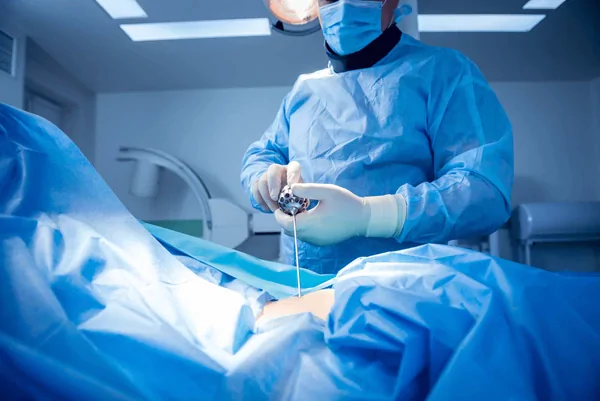
In recent years, endoscopic spine surgery has emerged as a game-changer in the field of minimally invasive spine procedures. For patients suffering from herniated discs, sciatica, or spinal stenosis, this modern surgical technique offers quicker recovery, and less trauma compared to traditional open surgeries. However, one common question remains: “How safe is endoscopic spine surgery?” With insights from Dr. Vignesh Pushparaj, a renowned endoscopic spine surgeon in Chennai with over 15 years of experience, this article explores the safety, benefits, risks, and success rate of this advanced spine surgery. What is Endoscopic Spine Surgery? Understanding the Procedure Endoscopic spine surgery is a minimally invasive surgical technique where a small incision is made, and a high-definition camera (endoscope) is inserted to visualize and treat spinal problems. This method is most commonly used to treat: Herniated or bulging discs Spinal stenosis Degenerative disc disease Nerve compression or sciatica How It Differs from Traditional Spine Surgery? Compared to traditional open surgery, which requires large incisions and significant muscle dissection, endoscopic spine surgery involves: A keyhole-sized incision (8mm–10mm) Minimal damage to surrounding tissues Less blood loss Faster recovery and shorter hospital stay Is Endoscopic Surgery Risky? What the Experts Say One of the most frequently asked questions is: “Is endoscopic surgery risky?” According to Dr. Vignesh Pushparaj, the procedure is remarkably safe when performed by a skilled and experienced surgeon. As with any surgery, risks exist, but with the right technique and patient selection, these are significantly minimized. The benefits often outweigh the risks, especially for patients looking for quick recovery and less post-operative pain. Endoscopic Spine Surgery Risks and Complications Potential Risks Involved While rare, some endoscopic spine surgery risks include: Nerve irritation or injury Infection at the incision site Bleeding or hematoma Dural tear (a tear in the protective covering of the spinal cord) Recurrence of disc herniation Factors That Influence Risk The overall risk level depends on: Patient’s age and general health Type and severity of the spinal issue Experience of the endoscopic spine surgery doctor in Chennai Post-operative care and rehabilitation How Risks Are Minimized? Dr. Vignesh Pushparaj uses advanced imaging, precision instruments, and thorough pre-surgical planning to reduce the possibility of complications. Additionally, patients are monitored closely during recovery to ensure optimal healing. Endoscopic Spine Surgery Success Rate What Do Studies Say? Research shows an 85–95% success rate for endoscopic spine surgery in treating conditions like herniated discs and nerve compression. Most patients experience: Significant pain relief Improved mobility Faster return to normal activities Success in Real-Life Practice At Dr. Vignesh Pushparaj’s clinic, patient outcomes mirror global success trends. His extensive experience and personalized care approach ensure a high success rate, even in complex spine cases. Endoscopic Back Surgery Pros and Cons Advantages The benefits of endoscopic spine surgery are numerous: Smaller incision and minimal scarring Less post-operative pain Quicker discharge (often same day) Faster recovery and return to daily life Reduced need for pain medications Disadvantages Despite its benefits, it’s important to consider the endoscopic back surgery pros and cons: Not suitable for every spinal condition (e.g., severe deformities) May not be ideal for revision surgeries Requires highly skilled and trained surgeons Specialized instruments and technology needed Endoscopic Spine Surgery Complications: Rare but Possible Complications to Watch Out For While complications are rare, they can include: Recurrent herniated disc Infection Temporary numbness or weakness Scar tissue formation Hardware or instrument-related issues (extremely rare) Post-operative Monitoring Dr. Pushparaj ensures that all patients are followed up regularly to detect and manage any endoscopic spine surgery complications early, ensuring a smooth recovery. Why Choose Endoscopic Spine Surgery in Chennai? Benefits of Getting Treated in Chennai Chennai is quickly becoming a medical hub, and for good reason: Affordable, high-quality healthcare Access to internationally trained surgeons World-Class hospitals with modern surgical suites Shorter waiting times for elective surgeries Meet Dr. Vignesh Pushparaj Dr. Vignesh Pushparaj is a leading endoscopic spine surgery doctor in Chennai. He specializes in: Minimally invasive spine surgery Disc replacement and deformity correction Complex spine disorders like scoliosis and kyphosis Personalized care and recovery plans Choosing the Right Endoscopic Spine Surgeon in Chennai Qualities to Look For When selecting a spine surgeon, consider the following: Board-certified qualifications Years of surgical experience Patient testimonials and reviews Use of latest technology and safety protocols Transparency in communication Dr. Vignesh Pushparaj’s Approach With over 15 years of surgical experience, Dr. Pushparaj ensures: Honest guidance on risks and benefits Precise diagnosis and treatment planning Minimally invasive solutions with long-term success Frequently Asked Questions (FAQs) Q1: Is endoscopic surgery risky? A: When performed by an experienced surgeon, endoscopic spine surgery is very safe. The risks are lower than traditional open surgery, especially with modern tools and techniques. Q2: What are the most common endoscopic spine surgery complications? A: Rare but possible complications include infection, nerve irritation, bleeding, or recurrence of symptoms. These can be managed with proper follow-up and care. Q3: What is the success rate of endoscopic spine surgery? A: The average success rate is 85–95%, especially for conditions like herniated discs and sciatica. Q4: What are the pros and cons of endoscopic back surgery? A: Pros: Faster recovery, smaller incision, less pain.Cons: Not suitable for all cases and requires specialized expertise. Q5: How do I find the best endoscopic spine surgery doctor in Chennai? A: Look for experienced, board-certified surgeons with a strong record of patient outcomes. Dr. Vignesh Pushparaj is one of the most trusted names in this field in Chennai. Conclusion Endoscopic spine surgery is a safe, effective, and minimally invasive option for treating several spinal disorders. When performed by an expert like Dr. Vignesh Pushparaj, the procedure offers excellent outcomes with minimal complications. If you’re considering endoscopic spine surgery in Chennai, schedule a consultation to explore your best options for pain relief and a healthier spine.
5 Signs You Need Endoscopic Spine Surgery
Living with chronic back pain, leg numbness, or mobility issues can take a serious toll on your quality of life. If you’ve been battling these symptoms and conservative treatments haven’t worked, you might be wondering: “How do I know if I need endoscopic spine surgery?” In this article, we’ll explore what endoscopic spine surgery is, its benefits, and five signs that indicate you might be a suitable candidate. Dr. Vignesh Pushparaj, a leading spine surgeon in Chennai with over 15 years of experience, offers advanced spine care and minimally invasive solutions like endoscopic spine surgery. What is Endoscopic Spine Surgery? Endoscopic spine surgery is a modern, minimally invasive technique that allows surgeons to treat spinal conditions using a small camera (endoscope) and specialized instruments. The procedure is performed through tiny incisions, significantly reducing trauma to surrounding muscles and tissues. Benefits of Endoscopic Spine Surgery Smaller incision and minimal scarring Less blood loss during surgery Faster healing and recovery time Lower risk of infection Shorter hospital stay—often same-day discharge Quicker return to normal activities This advanced approach is particularly beneficial for patients seeking a less invasive alternative to traditional open spine surgery. What Conditions Are Treated with Endoscopic Spine Surgery? Endoscopic spine surgery is effective for several common spinal disorders, including: Herniated or bulging discs Degenerative disc disease Sciatica and nerve compression Spinal stenosis Foraminal stenosis Facet joint cysts Recurrent disc herniation If you’ve been diagnosed with one of these issues, you may be asking: Who is a candidate for endoscopic spine surgery? Let’s explore further. Who is a Candidate for Endoscopic Spine Surgery? You may be a candidate if: Your condition has not improved with non-surgical treatments such as physiotherapy, medications, or injections. Imaging (MRI/CT) confirms a spinal issue treatable through minimally invasive methods. You are experiencing symptoms related to nerve compression, disc disorders, or spinal narrowing. You are in reasonably good health and want a shorter recovery period. You prefer an alternative to open back surgery. 5 Signs You Might Be a Candidate for Endoscopic Spine Surgery Persistent Back or Leg Pain Despite Conservative Treatment If you’ve tried rest, medication, and physical therapy for 6–8 weeks or more with no lasting relief, this may indicate that your condition needs surgical intervention. Pain radiating down the leg (sciatica) or recurring backaches could point to a disc herniation or spinal stenosis. Difficulty Walking, Standing, or Performing Daily Tasks Do you find it increasingly hard to walk, stand, or sit for long periods due to pain or stiffness? This could mean that a compressed nerve or damaged disc is affecting your mobility and needs surgical decompression. Nerve Compression Symptoms If you’re experiencing: Tingling or numbness in your legs or feet Muscle weakness Shooting pain along the spine or limbsthese are classic signs of nerve root compression, which can often be treated with endoscopic spine surgery. Diagnosed with a Condition That Can Be Treated Endoscopically If your MRI or CT scan shows a herniated disc, spinal stenosis, or foraminal narrowing, you may be a strong candidate. These are common conditions treated with endoscopic spine surgery, with excellent outcomes. You Want a Minimally Invasive Alternative to Open Surgery For many patients, the idea of traditional spine surgery is daunting. If you’re looking for a safer, less painful procedure with a shorter hospital stay and quicker endoscopic spine surgery recovery time, the endoscopic approach may be the right option. Endoscopic Spine Surgery Recovery Time: What to Expect One of the biggest advantages of this technique is the recovery timeline. Here’s what most patients can expect: Hospital stay: Discharged the same day or within 24 hours Light activity: Resume within a few days Work/normal routine: Typically 2–4 weeks post-op Full recovery: Generally within 4–6 weeks Physical therapy: May be recommended to improve strength and flexibility Patients often report immediate relief from nerve-related pain following the surgery. Why Choose Dr. Vignesh Pushparaj for Endoscopic Spine Surgery in Chennai? With over 15 years of experience in managing spinal conditions, Dr. Vignesh Pushparaj is one of the most trusted names in spine surgery in Chennai. Expertise in Complex Spinal Disorders Specializes in minimally invasive and endoscopic spine surgery Expert in scoliosis, disc disorders, and spinal deformities High success rate with personalized, evidence-based care Patient-Centric Approach Detailed evaluations and clear treatment plans World-Class facilities with advanced surgical tools Focus on safety, faster recovery, and long-term relief Conclusion If you recognize one or more of these five signs in your own life, it may be time to explore endoscopic spine surgery as a solution. It offers a less invasive way to treat serious spinal problems and get you back to living pain-free. Don’t ignore chronic back or leg pain—consult with Dr. Vignesh Pushparaj, Chennai’s leading expert in advanced spine care. Book Your Appointment Today Find out if you are a candidate for endoscopic spine surgery. 📞 Call now or book online to schedule your consultation!
How to Choose the Right Surgeon for Endoscopic Spine Surgery?

When dealing with spine-related issues, choosing the right surgeon can make all the difference—especially if you’re considering a minimally invasive option like endoscopic spine surgery. This advanced technique offers faster recovery, minimal scarring, and reduced post-operative discomfort, but its success heavily depends on the expertise of the surgeon. If you’re searching for the best spine surgeon for endoscopic surgery, especially in Chennai, you need to look beyond qualifications and into experience, technology, and patient care. Here’s a detailed guide to help you make the right choice. What is Endoscopic Spine Surgery? A Minimally Invasive Revolution Endoscopic spine surgery is a High-Tech procedure used to treat conditions like herniated discs, spinal stenosis, and degenerative disc disease. Unlike traditional spine surgery, it involves: A small incision (less than 1 cm) Use of a tiny camera (endoscope) and surgical tools Targeted removal or correction of spinal abnormalities Benefits of Endoscopic Spine Surgery Less damage to surrounding tissues Shorter hospital stays Quick return to daily activities Lower infection risk Why Choosing the Right Surgeon Matters? Even the most advanced technique like endoscopic spine surgery requires expert execution. An inexperienced hand may lead to complications, recurrence, or nerve damage. That’s why how to choose a spine surgeon becomes a vital question. A highly skilled and experienced endoscopic spine surgery specialist in Chennai ensures: Accurate diagnosis Safe, minimally invasive techniques Faster and more reliable recovery Fewer post-surgical complications How to Choose a Spine Surgeon for Endoscopic Procedures? Look for Specialized Experience Choose a surgeon who specializes in endoscopic spine surgery Ask how many procedures they’ve performed Check if they handle complex conditions like scoliosis and degenerative spine disease Verify Qualifications and Certifications Board-certified orthopedic or neurosurgeon Advanced training in spine surgery or minimally invasive techniques Member of reputable surgical or spine societies Explore Patient Reviews & Testimonials Read verified Google reviews Ask for patient references or success stories Look for consistently positive feedback, especially about recovery and communication Technology & Infrastructure Ensure the facility uses: HD endoscopic systems Intraoperative navigation tools Advanced diagnostics (MRI, CT) Ask About the Surgical Approach Does the surgeon offer tailored treatment plans? Are they open to discussing non-surgical options when applicable? Do they provide a clear explanation of the procedure and recovery timeline? Communication & Trustworthiness Do they answer all your questions clearly? Do you feel comfortable and informed? A good surgeon values patient education and honest communication Why Dr. Vignesh Pushparaj is a Trusted Name in Chennai? A Pioneer in Endoscopic Spine Surgery in Chennai With over 15 years of experience, Dr. Vignesh Pushparaj is regarded as one of the best spine surgeons for endoscopic surgery in Chennai. His commitment to precision, innovation, and patient well-being sets him apart. Extensive Expertise Specializes in endoscopic spine surgery, scoliosis correction, disc disorders, and complex spinal conditions Trained in globally recognized techniques and protocols Advanced Facilities Advanced spine surgery infrastructure Personalized rehabilitation and follow-up support Patient-Centered Approach Empathetic consultations Transparent surgical planning Excellent post-operative care Questions to Ask During Consultation When meeting your surgeon, ask the following: Are you a certified endoscopic spine surgery specialist? What types of spine surgeries do you commonly perform? What are the risks and benefits in my case? What does the recovery process look like? Do you offer long-term follow-up care? Red Flags to Watch Out For Vague or evasive answers Lack of experience in minimally invasive spine techniques Promises of “guaranteed results” without evaluation Absence of documented success stories FAQs: Choosing the Best Spine Surgeon for Endoscopic Surgery Q1. How to choose a spine surgeon for endoscopic surgery? A: Look for someone who specializes in endoscopic spine techniques, has extensive hands-on experience, and is transparent in communication. Check patient testimonials and ensure the surgeon is board-certified. Q2. Who is the best spine surgeon for endoscopic surgery in Chennai? A: Dr. Vignesh Pushparaj is widely recognized as a leading endoscopic spine surgery specialist in Chennai, known for his expertise in handling complex spinal conditions with minimally invasive precision. Q3. What makes endoscopic spine surgery different from traditional spine surgery? A: Endoscopic spine surgery is minimally invasive, meaning less muscle damage, faster recovery, and smaller incisions compared to open spine surgery. It requires advanced skills and training for effective execution. Q4. What should I expect during my first consultation with a spine surgeon? A: Your surgeon will review your medical history, perform a physical examination, and may suggest imaging tests. They’ll then discuss treatment options and recommend whether surgery is necessary. Q5. Is endoscopic spine surgery suitable for all spine problems? A: Not always. It’s ideal for disc herniation, spinal stenosis, and select degenerative conditions. A qualified surgeon like Dr. Vignesh Pushparaj will assess your condition and suggest the best treatment. Conclusion When it comes to spine surgery, especially minimally invasive options like endoscopic spine surgery, your choice of surgeon is critical. Look for expertise, patient trust, and proven results. For those seeking advanced endoscopic spine surgery in Chennai, Dr. Vignesh Pushparaj offers the perfect blend of skill, technology, and compassionate care. Book a consultation today and take the first step toward a pain-free, active life.
Best Revision Spine Techniques for Missed or Failed Spine Surgery
Spine surgeries are complex and delicate procedures that aim to relieve pain, correct deformities, or stabilize the spinal structure. However, not all spine surgeries deliver the expected outcomes. In some cases, patients continue to suffer from pain, reduced mobility, or even worsening symptoms. These are often referred to as “missed spine surgeries” or failed back surgeries. In 2025, the field of spine surgery has evolved significantly, offering new hope through advanced revision techniques. Dr. Vignesh Pushparaj, a leading and top spine surgeon in Chennai with over 15 years of experience, shares insights on how to correct failed spine surgeries using High-Tech technology and patient-centric approaches. What is a Missed Spine Surgery? Definition and Common Scenarios A missed spine surgery refers to a surgical intervention that fails to achieve its intended goal. This can happen due to several reasons, including: Incomplete decompression of spinal nerves Incorrect diagnosis before surgery Misaligned spinal fusion Implant loosening or malfunction Symptoms Indicating a Failed Spine Surgery Patients who have undergone spine surgery and experience the following symptoms should consider a consultation with a specialist: Persistent or worsening back/neck pain Tingling or numbness in limbs Limited mobility or flexibility Return of the original symptoms Infection or visible issues at the surgical site Why Do Spine Surgeries Fail? Common Causes of Failure Several factors contribute to the failure of spine surgeries: Inaccurate diagnosis Inadequate surgical technique Insufficient spinal fusion (pseudoarthrosis) Scar tissue development (epidural fibrosis) Patient health conditions (diabetes, osteoporosis, smoking) The Role of Experience in Complex Cases Surgeries involving the spine demand precision and a deep understanding of spinal anatomy and pathology. Experienced surgeons like Dr. Vignesh Pushparaj, one of the best spine surgeons in Chennai, utilize advanced diagnostic tools and surgical planning to minimize risks and maximize outcomes. Top Revision Spine Surgery Techniques in 2025 Robotic-Assisted Revision Surgery Uses AI and robotic arms for precision Reduces human error Minimally invasive and faster recovery Navigation-Guided Spinal Realignment 3D imaging for real-time surgical navigation Accurate hardware placement Effective in correcting previous alignment issues Revision for Failed Fusion (Pseudoarthrosis) Use of enhanced bone graft materials Techniques to stimulate bone growth Promotes solid spinal fusion Hardware Removal and Replacement Removes loose or malfunctioning implants New-generation implants used for better support Essential for patients with implant failure Scar Tissue (Epidural Fibrosis) Management Microendoscopic surgery to remove scar tissue Prevents nerve compression Laser-assisted procedures reduce complications Revision for Spinal Deformity or Scoliosis Complex spinal reconstructions Advanced corrective osteotomies Handled by specialists like Dr. Vignesh Pushparaj, top spine surgeon in Chennai How Dr. Vignesh Pushparaj Approaches Revision Spine Surgeries? Patient-Centric Diagnosis Detailed clinical evaluation MRI, CT, and DEXA scans Understanding prior surgical history Personalized Surgical Plans Tailored to each patient’s needs Involves a multidisciplinary team Focus on restoring spinal stability and function Latest Technology Integration Robotic systems and 3D navigation AI-assisted surgical planning Minimal invasiveness wherever possible Focus on Minimally Invasive Techniques Reduces tissue damage Shorter hospital stays Quicker return to normal activities Key Considerations Before Opting for a Revision Surgery Seek a second opinion from the best spine surgeon in Chennai Assess benefits vs. risks Understand the need for lifestyle modifications Commitment to post-operative rehabilitation Recovery and Prognosis After Revision Spine Surgery What to Expect Post-Surgery? Hospital stay: 2-5 days (varies by case) Rehabilitation: Physical therapy begins within days Pain Management: Effective protocols in place Long-Term Benefits of Successful Revision Significant pain relief Improved range of motion and posture Enhanced quality of life Why Choose Dr. Vignesh Pushparaj – Best Spine Surgeon in Chennai? Over 15 years of experience in spine surgery Expertise in scoliosis, disc disorders, and revision surgeries High patient satisfaction and success rate Uses the latest in surgical and diagnostic technology Known as a top spine surgeon in Chennai for complex and revision procedures Conclusion Revision spine surgery is a lifeline for patients who have undergone unsuccessful or missed spine surgeries. Thanks to technological advancements and expert care from specialists like Dr. Vignesh Pushparaj, patients now have better outcomes and renewed hope. If you or a loved one is suffering from failed spine surgery, don’t wait – consult the best spine surgeon in Chennai for an accurate diagnosis and a personalized treatment plan. FAQs Q1: How do I know if my spine surgery has failed? A: Symptoms like persistent pain, neurological issues, and limited mobility post-surgery may indicate failure. A thorough evaluation by a spine specialist is recommended. Q2: Is revision spine surgery more complicated than the first surgery? A: Yes, revision surgeries are generally more complex and require advanced surgical expertise and technology. Q3: How long is the recovery after a revision surgery? A: Recovery can vary from a few weeks to a few months depending on the complexity of the surgery and the patient’s overall health. Q4: Can all failed spine surgeries be corrected? A: Not all, but many failed spine surgeries can be improved or corrected with the right revision techniques. Q5: Why is Dr. Vignesh Pushparaj considered the best spine surgeon in Chennai for revision procedures? A: His vast experience, use of advanced technology, patient-first approach, and high success rates make him one of the most trusted names in spine surgery in Chennai.
Spine Surgery Insurance Trends in India and Globally

Spinal disorders are becoming increasingly common across the globe due to sedentary lifestyles, aging populations, and a rise in road traffic injuries. With the growing demand for advanced spine care, the question arises: Is spine surgery covered by insurance? The answer is evolving as insurance providers begin to adapt to modern surgical needs. In 2025, understanding the trends in Spine Surgery Insurance Coverage is crucial for both patients and healthcare providers. Dr. Vignesh Pushparaj, a leading spine surgeon in Chennai with over 15 years of experience, is known for his expertise in treating scoliosis, disc disorders, and complex spinal conditions. He shares insights into the changing insurance landscape in India and globally, helping patients make informed decisions. The Global Rise in Spine Surgeries & Cost Implications Increasing Prevalence of Spine Conditions Sedentary work environments leading to posture-related issues Degenerative spine disorders due to aging Increased cases of trauma and spinal injuries Common spine surgeries include: Spinal decompression Spinal fusion Scoliosis correction High Cost of Advanced Spine Treatments Adoption of robotic-assisted and minimally invasive spine surgeries Significant cost differences across geographies: India: affordable and high-quality care USA/UK: high-cost structures, often with partial coverage The need for comprehensive Spine Surgery Insurance Coverage to reduce financial burden Is Spine Surgery Covered by Insurance in 2025? Understanding the Basics Coverage depends on whether the surgery is elective or medically necessary Emergency surgeries are typically covered under most plans Government vs. private insurance: Government insurance often has more restrictions Private insurers are offering more flexible options Global Insights: USA, UK, Australia USA: Medicare covers certain procedures, but patients often need supplemental plans UK: NHS covers spine surgeries only when medically justified; private care is more flexible Australia: Private insurance covers most spinal procedures with prior approval Trends: Outcome-based reimbursements Bundled payments and pre-authorized packages Insurance Coverage for Spine Surgery in India – 2025 Update Current Scenario IRDAI mandates coverage for many spinal surgeries if medically indicated Increasing involvement of private health insurance providers Common exclusions: Pre-existing spinal conditions with waiting periods Post-operative rehabilitation and physiotherapy Commonly Covered Spine Procedures Spinal decompression and discectomy Laminectomy Spinal fusion surgeries Minimally invasive surgeries (MIS) The Role of the Surgeon in Documentation Accurate diagnosis and detailed medical records are essential Surgeons must provide operative notes and pre-authorization documents Dr. Vignesh Pushparaj, top spine surgeon in Chennai, ensures seamless patient support during the insurance claim process Choosing the Best Health Insurance for Spinal Surgery Key Factors to Consider Cashless network hospitals with spine specialists Pre- and post-operative care coverage Low waiting periods for spine-related ailments Minimal sub-limits and no room rent capping Top Insurance Plans in India Covering Spine Surgery (2025 Snapshot) Star Health & Allied Insurance Niva Bupa Health Insurance HDFC ERGO Health Insurance Aditya Birla Activ Health New India Assurance Mediclaim Tips from the Best Spine Surgeon in Chennai Understand what procedures are covered before choosing a policy Submit all diagnostic imaging and clinical reports for approval Opt for a policy with comprehensive coverage and minimal exclusions Future Trends in Spine Surgery Insurance Coverage AI & Predictive Analytics in Health Insurance AI tools help insurers predict surgical outcomes and customize premiums Dynamic pricing models based on patient history and risk profiles Rise of Robotic-Assisted Spine Surgery & Its Impact on Coverage Many insurance companies now cover robotic-assisted procedures However, premium plans may offer better reimbursement Dr. Vignesh Pushparaj, an expert in robotic spine surgery, advises patients to confirm coverage in advance Global Collaboration for Cross-Border Medical Insurance International patients traveling to India for affordable spine care Tie-ups between Indian hospitals and global insurance providers India emerging as a hub for insured medical tourism in spinal surgery Why Patients Choose Dr. Vignesh Pushparaj for Spine Surgery in Chennai? Expertise & Patient-Centric Approach 15+ years of experience in spinal surgery Specializes in scoliosis correction, disc disorders, and minimally invasive techniques Insurance Support & Transparent Guidance Dedicated in-house insurance team Pre-authorization assistance and real-time claim updates Documentation aligned with insurance guidelines for successful claims Conclusion With rapid advancements in spine care and changing insurance regulations, staying updated on Insurance Coverage for Spine Surgery in India and globally is more important than ever. In 2025, patients must evaluate their health insurance plans wisely, ensuring comprehensive coverage for their spinal health needs. Trust the expertise of Dr. Vignesh Pushparaj, the best spine surgeon in Chennai, for world-class spine care backed by transparent insurance guidance and compassionate patient support. FAQs Is spine surgery covered by insurance in India? Yes. Most medically necessary spine surgeries are covered under private health insurance, subject to terms and conditions. What is the best health insurance for spinal surgery in India? Policies from Niva Bupa, Star Health, and HDFC ERGO are known to offer robust spine surgery coverage. Does Dr. Vignesh Pushparaj assist with insurance documentation? Absolutely. His clinic has a dedicated team that helps patients with pre-authorization and claim submission. Are robotic spine surgeries covered under insurance? Coverage varies. Premium plans often include robotic-assisted surgeries, but patients should confirm with their insurer in advance. How can I ensure my surgery claim is not rejected? Provide accurate diagnosis reports, get pre-authorization, and consult with experienced surgeons like Dr. Vignesh Pushparaj who are well-versed in insurance processes.
Minimally Invasive Spine Surgery for Spinal Stenosis
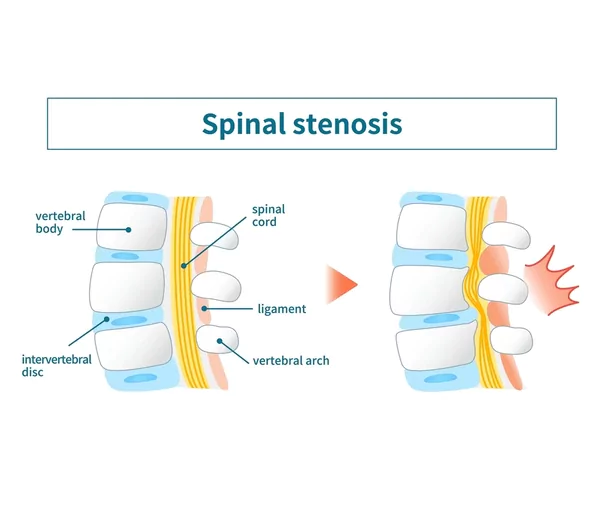
Minimally Invasive Spine Surgery for Spinal Stenosis: Why It’s Booming in 2025 Understanding the Rise of MISS in 2025 In 2025, the field of spine surgery has witnessed a major shift. Patients are increasingly opting for less invasive, high-precision procedures to treat spinal conditions. One such innovation that has seen exponential growth is MISS for Spinal Stenosis. With better technology, faster recovery, and reduced risks, it’s no surprise that this surgical method is booming this year. Meet Dr. Vignesh Pushparaj Dr. Vignesh Pushparaj, a leading spine surgeon in Chennai, has over 15 years of experience specializing in scoliosis, disc disorders, and complex spinal conditions. Renowned for his expertise in Minimally Invasive Spine Surgery in Chennai, he is often recognized as the Best Minimally Invasive Spine Surgeon in Chennai, offering Advanced treatment options for spinal stenosis and more. What is Spinal Stenosis? Definition and Causes Spinal stenosis is a condition characterized by the narrowing of the spinal canal, which puts pressure on the nerves and spinal cord. It is commonly caused by: Age-related degeneration Herniated discs Bone spurs Thickened ligaments Degenerative disc disease Symptoms of Spinal Stenosis Persistent back or neck pain Numbness or tingling in the limbs Muscle weakness Difficulty standing or walking Problems with balance and coordination What is Minimally Invasive Spine Surgery? MISS (Minimally Invasive Spine Surgery) involves the use of small incisions, advanced imaging, and specialized instruments to treat spinal disorders with minimal damage to surrounding tissues. Unlike traditional open surgeries, MISS leads to quicker recovery, less pain, and reduced hospital stays. How MISS Works for Spinal Stenosis? In the case of spinal stenosis, MISS helps relieve pressure on the spinal nerves through procedures like decompression and discectomy. Using tools like tubular retractors, microscopes, and endoscopes, surgeons can operate with high precision and minimal disruption. MISS Procedures for Spinal Stenosis Common Techniques Several MISS procedures for spinal stenosis include: Microdiscectomy: Removes herniated disc material compressing a nerve Laminotomy: Partial removal of the lamina to relieve nerve pressure Foraminotomy: Widens the space where nerve roots exit the spine Endoscopic Decompression: Performed through a tiny camera-guided system Advanced MISS Procedures Offered by Dr. Vignesh Pushparaj Robotic-assisted spine surgeries Navigation-guided MISS Day-care and outpatient MISS options Benefits of MISS for Spinal Stenosis Patients and surgeons alike are embracing MISS due to its vast advantages: Smaller incisions and minimal tissue disruption Less postoperative pain and blood loss Reduced infection rates Shorter hospital stay Faster return to work and daily life Excellent long-term outcomes Risks of MISS While MISS for Spinal Stenosis is considered safe, like any surgery, it carries some risks: Nerve injury Incomplete decompression Surgical site infection (rare) Recurrent symptoms Choosing a highly experienced surgeon like Dr. Vignesh Pushparaj—the Best Minimally Invasive Spine Surgeon in Chennai—minimizes these risks and ensures optimal outcomes. Why is MISS Booming in 2025? Technological Advancements AI-enhanced diagnostics Robotic surgical assistants High-definition endoscopy 3D navigation systems Increased Patient Awareness Patients prefer less invasive and quicker recovery options Online health education platforms promoting MISS Social media testimonials and success stories Proven Clinical Outcomes High patient satisfaction rates Lower readmission and complication rates Long-term success in managing spinal stenosis Who Is an Ideal Candidate for MISS? Selection Criteria Patients diagnosed with spinal stenosis confirmed via imaging Individuals with moderate symptoms not responding to conservative therapy Patients without severe spinal deformities or instability Those seeking a faster, less painful recovery process Choosing the Right Spine Surgeon Why Dr. Vignesh Pushparaj Is a Trusted Name? Dr. Vignesh Pushparaj has transformed spine care in Chennai through his focus on Minimally Invasive Spine Surgery. With hundreds of successful MISS procedures, world class facilities, and personalized treatment plans, he stands out as the Best Minimally Invasive Spine Surgeon in Chennai. FAQs on MISS for Spinal Stenosis Q: Is MISS painful? A: MISS typically results in less pain compared to traditional surgery due to smaller incisions and minimal tissue disruption. Q: How long does recovery take? A: Most patients resume light activities within 1-2 weeks and full recovery usually occurs in 4-6 weeks. Q: Will insurance cover MISS? A: Yes, most insurance providers cover MISS procedures for spinal stenosis when deemed medically necessary. Q: Can spinal stenosis recur after MISS? A: Recurrence is rare, especially when surgery is performed by a skilled and experienced spine surgeon. Conclusion The Future of Spine Care Is Minimally Invasive As MISS continues to evolve, more patients are benefiting from safer, faster, and more effective solutions for spinal stenosis. If you’re seeking expert care and transformative results, consult Dr. Vignesh Pushparaj, the trusted name in Minimally Invasive Spine Surgery in Chennai. MISS for Spinal Stenosis is not just a trend—it’s the future of spine care, and it’s booming in 2025 for all the right reasons.
Why Women are Experiencing More Neck Pain Than Men?

Insights by Dr. Vignesh Pushparaj, Leading Spine & Back Pain Surgeon in Chennai Neck pain has become an increasingly common complaint in modern life, affecting individuals across age groups and occupations. Interestingly, research and clinical practice consistently show that women experience neck pain more frequently and intensely than men. But why is that? As a renowned spine surgeon and back pain expert in Chennai, Dr. Vignesh Pushparaj has treated numerous female patients struggling with chronic neck discomfort. With over 15 years of expertise in treating scoliosis, disc disorders, and complex spinal conditions, he shares valuable insights into why women are experiencing more neck pain than men, and how targeted treatment can offer relief. Understanding Neck Pain: A Growing Concern Among Women The Rising Incidence of Neck Pain in Women In recent years, the prevalence of neck pain in women has surpassed that in men. Women are not only more likely to report neck pain but also experience greater disability as a result. This condition affects their ability to work, care for families, and maintain quality of life. Gender Differences in Neck Pain: What the Data Says Clinical studies show that neck pain in men tends to be less frequent and less disabling compared to women. Women often suffer from more intense pain, longer duration, and a higher likelihood of recurrence. These disparities are not merely coincidental but are rooted in a complex interaction of biology, lifestyle, and societal roles. Causes of Neck Pain in Female Patients Biological and Anatomical Differences Several anatomical and hormonal differences play a crucial role in understanding the causes of neck pain in females: Hormonal fluctuations (such as during menstruation, pregnancy, and menopause) affect joint and muscle stability. Smaller neck muscles and less robust cervical structures make women more prone to strain and injury. Ligament laxity, which is more common in females, can result in joint instability and pain. Lifestyle and Occupational Triggers In today’s digital world, women juggle multiple responsibilities. This multitasking often leads to poor posture and repetitive strain: Extended hours on computers or mobile phones with forward head posture. Household chores involving lifting or bending, contributing to spinal stress. Caring for children or elderly parents, often involving awkward or repeated physical movements. Mental Health and Stress Emotional health is closely linked to physical well-being. Women, who statistically experience higher levels of anxiety and depression, are more susceptible to chronic pain due to increased muscle tension and pain sensitivity. The Role of Hormones in Female Neck Pain Estrogen’s Influence on Joint and Muscle Health Estrogen helps regulate inflammation and maintain soft tissue integrity. When levels fluctuate: It can lead to increased pain sensitivity. Reduced estrogen, especially during menopause, contributes to joint degeneration and muscle weakness. Autoimmune Conditions and Inflammation Women are more prone to autoimmune diseases like rheumatoid arthritis and lupus, which can significantly impact neck and spine health, leading to inflammation, stiffness, and chronic pain. Diagnosing and Treating Neck Pain in Women When to See a Specialist? Not all neck pain is the same. If you’re experiencing: Persistent stiffness Radiating pain into arms or shoulders Headaches or numbness …it’s essential to consult a specialist. Dr. Vignesh Pushparaj is a trusted back neck pain surgeon in Chennai, renowned for diagnosing the root cause of neck pain through advanced evaluation. Advanced Diagnostic Tools Used Dr. Vignesh uses High-Tech imaging and diagnostic techniques, including: MRI and CT scans Spinal X-rays Neurological assessments These tools help tailor treatment strategies specifically for female patients. Treatment Options by Dr. Vignesh Pushparaj Non-Surgical Interventions Most cases of neck pain in women can be managed through conservative treatments, including: Physiotherapy with posture correction Trigger point therapy and spinal manipulation Medications like muscle relaxants and anti-inflammatories Ergonomic advice for daily life and workplace Minimally Invasive Surgical Solutions For cases involving herniated discs, spinal instability, or nerve compression, Dr. Vignesh may recommend minimally invasive spine procedures. These surgeries are: Less painful with minimal recovery time Designed to preserve natural movement and stability Ideal for women with chronic or recurrent pain Holistic Pain Management Approach As a leader in top back pain management in Chennai, Dr. Vignesh believes in a 360-degree approach: Combining physical treatments with mental wellness support. Addressing hormonal imbalances, nutrition, and emotional triggers. Empowering patients with long-term management tools. Preventing Neck Pain in Women Ergonomics and Workplace Modifications A few changes can go a long way: Adjust screen height to eye level Use chairs with proper lumbar and neck support Take regular breaks to stretch and move Exercises and Stretches Daily neck and shoulder stretches. Strength-building routines for postural muscles. Yoga and low-impact aerobic exercises. Hormonal and Nutritional Support Monitor and manage menopausal changes with medical guidance Ensure adequate intake of calcium, vitamin D, and omega-3 fatty acids Why Choose Dr. Vignesh Pushparaj for Neck and Back Pain in Chennai? Experience and Specialization With over 15 years of experience, Dr. Vignesh Pushparaj is a trusted name for spine and back pain treatment in Chennai. His specialization in female spinal conditions makes him uniquely suited to address the nuanced causes behind neck pain in women. Patient-Centric Care Dr. Vignesh adopts a personalized treatment approach: Detailed understanding of each patient’s unique physiology Custom treatment plans based on gender-specific needs Compassionate care for better healing outcomes Conclusion Understanding why women are experiencing more neck pain than men allows for more effective diagnosis, treatment, and prevention. From biological differences to lifestyle stressors, many factors contribute to this growing health issue. If you or someone you know is struggling with neck pain in women, don’t ignore the symptoms. Consult Dr. Vignesh Pushparaj, the trusted back neck pain surgeon in Chennai, and take the first step toward long-term relief and recovery through the top back pain management in Chennai.
Text Neck Syndrome: Causes, Symptoms and Prevention Tips
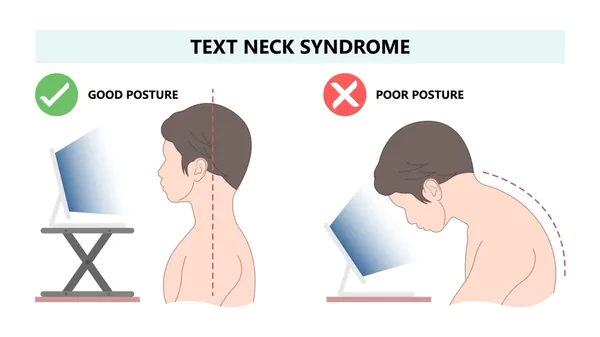
Text Neck Syndrome: Why It’s the #1 Neck Pain Cause in 2025 In an age dominated by smartphones and digital devices, our health is facing a new and rapidly growing threat: text neck syndrome. As screen time soars and posture habits worsen, this condition has become the leading cause of neck pain in 2025. According to Dr. Vignesh Pushparaj, a top spine surgeon in Chennai with over 15 years of experience, text neck syndrome is a silent but serious epidemic that demands immediate attention. Dr. Pushparaj, who specializes in advanced treatments for scoliosis, disc disorders, and back pain, emphasizes the importance of early intervention and spine-friendly habits. What is Text Neck Syndrome? Understanding the Modern Epidemic Text neck syndrome is a repetitive stress injury caused by constantly looking down at smartphones, tablets, laptops, and other digital devices. The unnatural angle at which the head tilts forward creates excessive strain on the neck and upper spine, leading to discomfort and long-term issues. Why It’s More Relevant in 2025? Increased mobile device usage among all age groups. Work-from-home and hybrid office setups. Sedentary lifestyles paired with prolonged screen exposure. Rising cases among teenagers, students, and working professionals. Symptoms of Text Neck Syndrome Common Signs to Watch Out For Persistent back and neck pain after screen time. Neck stiffness and reduced range of motion. Headaches, especially at the base of the skull. Shoulder and upper back soreness. Tingling or numbness in the arms or hands. When to Consult a Specialist? If symptoms persist or worsen, it is essential to consult a back neck pain surgeon in Chennai. Early diagnosis can prevent further spinal complications. Dr. Vignesh Pushparaj provides specialized care for posture-related spine issues with a focus on long-term relief. Text Neck Syndrome Causes: What’s Behind the Pain? Primary Triggers Poor posture while texting or using a laptop. Holding devices below eye level. Long screen sessions without breaks. Weak neck and back muscles due to inactivity. Risk Factors Teenagers and young adults with high screen use. Professionals in desk-bound jobs. Gamers and digital content consumers. Sedentary individuals with poor ergonomic practices. How Text Neck Affects Your Spine? Long-Term Impacts if Left Untreated Spinal disc compression or herniation. Accelerated degenerative disc disease. Postural imbalances and chronic misalignment. Chronic pain and potential for permanent nerve damage. Expert Perspective Dr. Vignesh Pushparaj, a top back pain management expert in Chennai, warns that untreated text neck syndrome can lead to severe complications requiring surgical correction. His experience in spinal deformities and disc issues makes him a sought-after name in spine care. Text Neck Syndrome Treatment in Chennai: What Are Your Options? Non-Surgical Treatments Physiotherapy to strengthen supporting muscles. Posture correction training. Pain relief through medications or localized therapy. Ergonomic advice for home and workplace setups. Advanced Interventions by Spine Experts Diagnostic imaging for accurate assessment. Injections or minimally invasive procedures in chronic cases. Comprehensive rehabilitation plans tailored by the top spine surgeon in Chennai, Dr. Vignesh Pushparaj. Why Choose Dr. Vignesh Pushparaj? Over 15 years of surgical and non-surgical spine care. Expertise in treating disc disorders and spinal misalignment. Personalized care using the latest in spine technology and diagnostics. Text Neck Exercises: Simple Moves to Prevent and Relieve Pain Stretching & Strengthening Exercises Chin tucks: Strengthens deep neck flexors. Neck rolls: Relieves tension in neck muscles. Shoulder shrugs: Improves blood flow and reduces stiffness. Thoracic extension over foam roller: Mobilizes the upper back. Daily Habits for Spinal Wellness Take short breaks every 30 minutes of screen time. Keep screens at eye level to reduce strain. Practice mindful posture even while seated. Preventing Text Neck Syndrome: Long-Term Strategies Ergonomics & Lifestyle Tips Use ergonomic chairs, keyboards, and phone holders. Incorporate daily movement and physical activity. Limit unnecessary screen exposure, especially before bed. When Prevention Isn’t Enough? Persistent or severe pain requires professional attention. For those seeking the most effective text neck syndrome treatment in Chennai, Dr. Vignesh Pushparaj offers advanced care and personalized recovery plans. Conclusion In 2025, text neck syndrome has emerged as the #1 cause of neck pain worldwide. With increased reliance on digital devices, it is more important than ever to stay informed and proactive. Recognizing the symptoms early and adopting preventive strategies can protect your spine. For expert diagnosis and treatment, trust Dr. Vignesh Pushparaj—a leading back neck pain surgeon in Chennai known for delivering top back pain management solutions. FAQs About Text Neck Syndrome- What is the main cause of text neck syndrome? The main cause is poor posture from prolonged use of smartphones and other devices held below eye level. Are there exercises that help with text neck? Yes, regular text neck exercises like chin tucks, neck rolls, and thoracic stretches can alleviate symptoms. Can text neck be reversed? Early stages are reversible with posture correction, exercise, and professional guidance. Who offers the best treatment for text neck syndrome in Chennai? Dr. Vignesh Pushparaj, a top spine surgeon in Chennai, provides comprehensive and advanced care for text neck syndrome and other spine-related issues.
Minimally Invasive vs Traditional Spine Surgery

Minimally Invasive Spine Surgery vs. Traditional Surgery: Which Is Better in 2025? Back pain and spinal disorders have become increasingly common, especially with sedentary lifestyles and aging populations. In 2025, patients have access to Advanced surgical options to treat spinal issues. Among these, the debate between Minimally Invasive Spine Surgery vs. Traditional Surgery has taken center stage. Dr. Vignesh Pushparaj, a leading Minimally Invasive Spine Surgeon in Chennai, brings over 15 years of experience treating scoliosis, disc disorders, and complex spinal conditions. What is Minimally Invasive Spine Surgery? Minimally Invasive Spine Surgery (MISS) refers to a set of techniques that allow surgeons to access the spine through small incisions, causing minimal disruption to surrounding muscles and tissues. Specialized tools, including microscopes and endoscopes, are used to achieve high precision. Conditions Treated with MISS: Herniated discs Spinal stenosis Degenerative disc disease Scoliosis and spinal deformities What is Traditional Spine Surgery? Traditional Spine Surgery involves larger incisions and the retraction of muscles to access the spine. It has been the standard for decades and is still essential in certain complex cases. When Is It Needed? Severe spinal deformities Removal of spinal tumors Extensive trauma or multi-level spinal fusion Minimally Invasive Spine Surgery vs Traditional Surgery: Key Differences Surgical Technique Minimally Invasive: Small incisions, muscle-sparing, image-guided navigation. Traditional: Larger incisions, significant muscle disruption, longer operative time. Recovery and Hospital Stay MISS offers faster recovery and shorter hospital stays, often allowing same-day discharge. Traditional surgery typically involves a longer hospital stay and more extended recovery. Pain and Scarring Patients undergoing MISS report less postoperative pain and minimal scarring. Traditional surgery often requires more pain management and leaves larger scars. Risk of Complications Benefits of Minimally Invasive Spine Surgery include reduced blood loss and lower infection risks. Traditional surgery carries a higher risk of complications due to its invasive nature. Benefits of Minimally Invasive Spine Surgery in 2025 Why Patients Are Choosing MISS? Faster rehabilitation Lower complication rates Improved cosmetic outcomes Greater patient satisfaction Technological Advancements Fueling the Shift Robotic-assisted surgery for enhanced precision 3D imaging for accurate diagnosis and execution AI-guided planning for personalized treatment When is Traditional Spine Surgery Still Needed? While Minimally Invasive Spine Surgery has many advantages, Traditional Spine Surgery remains necessary in specific cases: Severe spinal deformities Spinal tumors or infections Revision surgeries requiring full exposure Choosing the Right Procedure: What Patients Should Know Consulting with a Top Spine Surgeon in Chennai Choosing the right surgical approach depends on multiple factors. Consulting a top spine surgeon in Chennai like Dr. Vignesh Pushparaj ensures personalized care backed by extensive experience and modern technology. Factors to Consider Nature and severity of the spinal condition Overall health and lifestyle Long-term goals like mobility, pain relief, and activity level Why Choose Dr. Vignesh Pushparaj for Minimally Invasive Spine Surgery in Chennai? Expertise You Can Trust Over 15 years of experience Specializes in scoliosis correction, disc disorders, and spinal deformities Recognized as one of the top spine surgeons in Chennai Patient-Centric Approach Focus on reducing pain and improving quality of life Utilizes the latest technology and surgical advancements Comprehensive pre- and post-operative care Conclusion: In 2025, Minimally Invasive Spine Surgery stands out for its shorter recovery time, lower complication rates, and improved patient comfort. However, Traditional Spine Surgery still plays a vital role in managing complex spinal conditions. The best approach depends on your specific condition. Always consult a specialist like Dr. Vignesh Pushparaj, the top spine surgeon in Chennai, to determine the right surgical path. FAQs Is Minimally Invasive Spine Surgery safe for older adults? Yes, it is often safer due to reduced blood loss and quicker recovery times. How long is the recovery time for MISS vs traditional spine surgery? MISS typically has a recovery time of a few weeks, whereas traditional surgery may take several months. Will insurance cover Minimally Invasive Spine Surgery in Chennai? Most insurance providers do cover it, but it’s best to check specific policy details. Can scoliosis be treated with Minimally Invasive Spine Surgery? Yes, especially for mild to moderate cases. Severe scoliosis may still require traditional methods. How do I know if I need surgery or not? A thorough clinical evaluation, imaging tests, and a consultation with a specialist like Dr. Vignesh Pushparaj will help determine the need for surgery.
Can Robotics Replace Spine Surgery Surgeons?

The Future of Spine Surgery: Can Robotics Fully Replace Human Hands? In the ever-evolving world of medicine, technology continues to push boundaries—and spine surgery is no exception. From the days of traditional open surgeries to today’s minimally invasive procedures, innovation has been a constant ally. Among the most exciting advancements is robotic-assisted spine surgery, a revolutionary technique promising greater precision, shorter recovery times, and fewer complications. But one crucial question remains: Can robotics truly replace the skilled hands of a spine surgeon? Let’s explore this fascinating intersection of technology and human expertise, with insights from Dr. Vignesh Pushparaj, a leading Robotic-Assisted Spine Surgery doctor in Chennai and one of the best spine surgeons in Chennai. The Evolution of Spine Surgery From Traditional Techniques to High-Tech Precision Historically, spine surgery was highly invasive, demanding large incisions and extensive recovery time. Surgical success depended heavily on the experience and skill of the surgeon. With the arrival of advanced imaging, surgical navigation, and computer-assisted systems, spine surgery became more accurate and less traumatic for patients. Today, robotic technology represents the next major leap. The Rise of Robotic-Assisted Spine Surgery Robotic systems now play a vital role in various spinal procedures including: Scoliosis correction Lumbar fusion Disc replacement Tumor removal These systems aid surgeons in planning and executing procedures with unmatched precision—making surgeries safer and more effective. How Robotic-Assisted Surgery Works in Spine Procedures? Planning and Imaging The process begins with detailed preoperative 3D imaging, which allows for: Personalized surgical planning based on each patient’s anatomy Optimal screw placement Minimally invasive incisions Intraoperative Execution Robotic arms and navigation systems provide: Enhanced control during surgery Real-time feedback and intraoperative Postoperative Benefits Patients experience: Shorter hospital stays Less postoperative pain Faster return to normal life At the forefront of this transformation is Dr. Vignesh Pushparaj, a respected Robotic-Assisted Spine Surgery doctor in Chennai known for blending technology with unmatched clinical judgment. Human Expertise vs. Robotic Precision Why Human Hands Still Matter? Despite robotic advancements, the value of human expertise remains irreplaceable: Surgeons handle unexpected complications during procedures Every spine is unique—requiring tailored approaches Clinical decision-making and intuition cannot be replicated by machines Complementary, Not Competitive Robots don’t replace surgeons—they empower them. With robotics, even the best spine surgeon in Chennai can achieve higher precision and better outcomes. It’s a collaboration, not a substitution. Real-Life Impact: Success Stories from Chennai Patient Success Stories Dr. Vignesh Pushparaj has treated numerous patients using robotic-assisted techniques: Scoliosis Correction: A teenage patient with severe curvature now leads an active life after precise robotic-assisted spinal correction. Herniated Disc Relief: A working professional recovered in record time after undergoing minimally invasive robotic spine surgery. Lumbar Fusion: An elderly patient suffering from spinal instability now walks pain-free. These cases reflect the real-world benefits of combining robotic technology with the experience of the best spine surgeon in Chennai. Challenges and Limitations of Robotic Spine Surgery Cost and Accessibility Robotic systems are expensive to install and maintain Not every hospital in India can afford this technology Learning Curve Surgeons must undergo rigorous training to use robotic systems safely Continuous learning and certification are essential Dr. Vignesh Pushparaj has not only mastered robotic systems but also mentors young surgeons, making him a true leader in this domain. System Dependence Machines may face technical issues or limitations Human oversight remains crucial to prevent errors What the Future Holds: Robotics in Spine Surgery? AI-Powered Assistance Future robotic systems may integrate AI for decision-making Predictive analytics could guide surgeons during complex procedures Personalized Care Custom implants based on the patient’s spine structure Higher success rates through data-driven customization Mentorship and Training Robotics will be a core part of surgical education Experts like Dr. Pushparaj will shape the future of spine surgery in India Conclusion So, can robotics replace human hands in spine surgery? The answer is clear—not entirely. While robots enhance surgical precision and improve patient outcomes, human expertise remains the heart of any successful operation. With pioneers like Dr. Vignesh Pushparaj, patients benefit from the best of both worlds—technological advancement and surgical excellence. If you are seeking the most advanced care for spinal conditions, consult thebest spine surgeon in Chennai who combines Advanced technology with compassionate care. Frequently Asked Questions (FAQs) Q1: What is robotic-assisted spine surgery? Robotic-assisted spine surgery uses advanced computer technology and robotic tools to aid surgeons in performing precise spinal procedures. It enhances accuracy and reduces recovery time. Q2: Is robotic spine surgery better than traditional surgery? While both methods can be effective, robotic surgery offers benefits like smaller incisions, less blood loss, and quicker recovery. However, success also depends on the surgeon’s skill. Q3: Can robotic systems make surgical decisions? No. Robotic systems follow pre-planned guidance. The surgeon still makes all critical decisions during the operation. Q4: How do I choose the right spine surgeon for robotic-assisted surgery in Chennai? Look for experience, certifications, and expertise in robotics. Dr. Vignesh Pushparaj, a leading Robotic-Assisted Spine Surgery doctor in Chennai, is highly recommended for complex spinal issues. Q5: Is robotic spine surgery safe for elderly patients? Yes. In fact, the precision and minimally invasive nature of robotic surgery make it an excellent option for elderly patients with reduced healing capacity.