
The Impact of Spine Surgery on Athletes
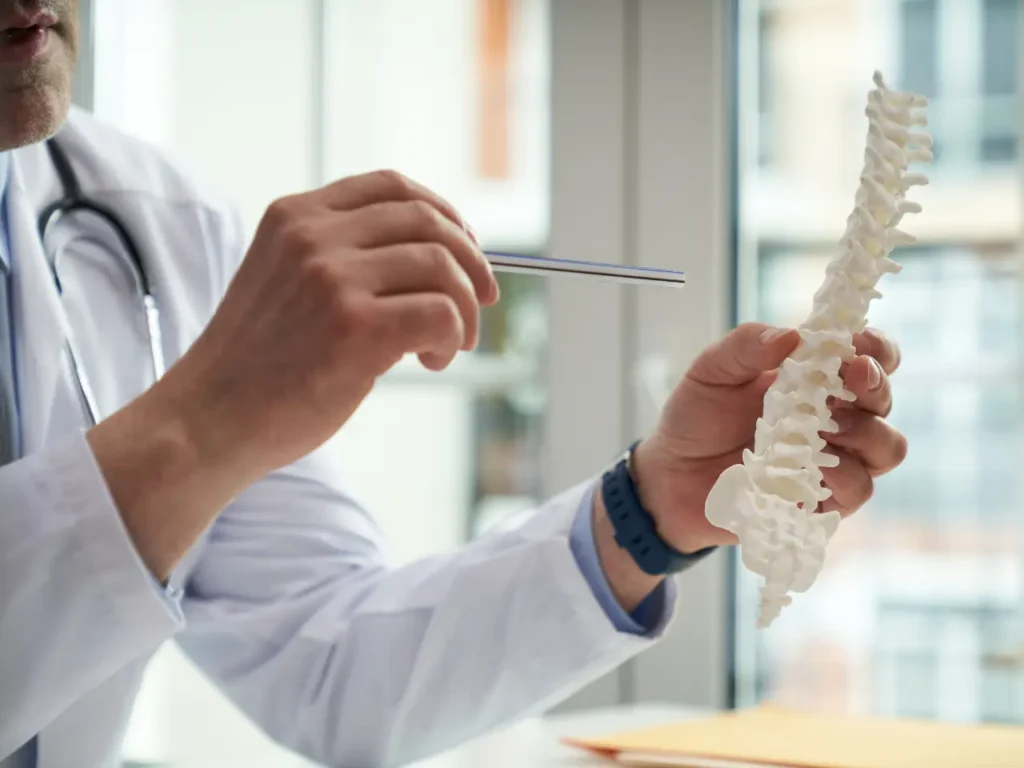
Spine Surgery for Athletes: What You Need to Know Spinal health is a crucial aspect of an athlete’s overall well-being, directly influencing their performance and longevity in sports. Unfortunately, athletes are prone to various spine problems due to the physical demands of their activities. Spine-related issues can significantly impact an athlete’s career, leading to pain, reduced mobility, and even the need for surgery. Dr. Vignesh Pushparaj, a leading spine surgeon in Chennai, is dedicated to helping athletes overcome these challenges and return to their peak performance levels. Understanding Spine Problems in Athletes Common Spine Issues Faced by Athletes Athletes are particularly susceptible to spine problems due to the repetitive stress and high-impact nature of their sports. Some of the most common spine issues include: Low Back Pain in Athletes: A prevalent issue that can result from muscle strain, ligament injuries, or more severe conditions like herniated discs. Herniated Discs: Occur when the soft center of a spinal disc pushes through a crack in the tougher exterior, often leading to pain, numbness, or weakness. Spinal Fractures: High-impact sports can lead to fractures in the vertebrae, which may require surgical intervention. Spondylolysis and Spondylolisthesis: Stress fractures in the vertebrae can cause one of the bones to slip out of place. Spinal Stenosis: Narrowing of the spinal canal that can compress nerves, leading to pain and neurological symptoms. Causes of Spine Problems in Athletes The causes of spine problems in athletes are often linked to the physical demands of their sports: Repetitive Stress and Overuse Injuries: Continuous strain on the spine from training and competition. High-Impact Sports and Trauma: Activities such as football, gymnastics, and weightlifting can lead to acute injuries. Poor Posture and Body Mechanics: Incorrect techniques and posture during sports can exacerbate spine problems. Genetic Predispositions: Some athletes may have a genetic predisposition to spine conditions, making them more vulnerable. When is Spine Surgery Necessary for Athletes? Indications for Spine Surgery in Athletes While many spine problems can be managed with conservative treatments, surgery becomes necessary when: Persistent Low Back Pain in Athletes: Pain that does not respond to non-surgical treatments may require surgical intervention. Neurological Deficits: Weakness, numbness, or other neurological issues due to nerve compression. Severe Spinal Deformities: Conditions like scoliosis that affect an athlete’s performance. Unstable Spinal Fractures: Fractures that threaten the stability of the spine. Progressive Spinal Conditions: Conditions such as degenerative disc disease that worsen over time. Types of Spine Surgery for Athletes Depending on the specific condition, the following types of spine surgery may be recommended: Microdiscectomy: Removal of a herniated disc that is pressing on a nerve. Spinal Fusion: Joining two or more vertebrae to eliminate painful motion. Laminectomy: Removal of part of the vertebrae to relieve pressure on the spinal cord or nerves. Artificial Disc Replacement: Replacement of a damaged disc with an artificial one. Minimally Invasive Spine Surgery (MISS): Advanced techniques that reduce recovery time and tissue damage. The Impact of Spine Surgery on Athletes Short-Term Impact Spine surgery, while often necessary, can have significant short-term effects on athletes: Postoperative Pain and Discomfort: Pain management is critical during the initial recovery phase. Initial Limitations in Mobility and Function: Temporary restrictions on movement and activities. Recovery Time and Time Away from Sports: The recovery period can vary, requiring athletes to take a break from their sport. Long-Term Impact In the long term, spine surgery can lead to significant improvements but also comes with considerations: Restoration of Function and Pain Relief: Most athletes experience relief from pain and improved function, allowing them to return to their sports. Potential Changes in Athletic Performance: Some athletes may notice changes in their performance post-surgery, depending on the extent of their condition and the surgery performed. Risk of Re-Injury or New Spine Problems: Athletes may need to modify their training to prevent future injuries. Psychological Impact The psychological aspect of spine surgery should not be overlooked: Mental Challenges During Recovery: Athletes may struggle with the mental aspects of recovery, including frustration and anxiety about their return to sports. The Role of Motivation and Mental Resilience: Staying motivated and mentally strong is crucial for a successful recovery. Importance of Psychological Support and Counseling: Mental health support can be beneficial in managing the psychological impact of surgery. Rehabilitation and Recovery Post-Spine Surgery The Role of Physical Therapy Rehabilitation is a critical component of recovery: Importance of a Tailored Rehabilitation Program: A personalized program ensures that recovery is aligned with the athlete’s needs and goals. Exercises to Strengthen the Spine and Core: Focus on strengthening the muscles that support the spine. Gradual Return to Sports-Specific Activities: Progression should be gradual to prevent re-injury. Nutritional Support for Recovery Proper nutrition plays a key role in healing: Essential Nutrients for Bone and Muscle Healing: Calcium, vitamin D, and protein are vital for recovery. Importance of Hydration and a Balanced Diet: Staying hydrated and maintaining a balanced diet supports overall health and recovery. Tips for a Successful Return to Sports Returning to sports post-surgery requires careful planning: Listening to Your Body and Avoiding Overexertion: It’s crucial to avoid pushing too hard, too soon. Maintaining Regular Follow-Ups with Your Spine Surgeon: Ongoing medical supervision ensures recovery is on track. Adopting Proper Techniques and Ergonomics in Sports: Proper techniques help prevent further injuries. Why Choose Dr. Vignesh Pushparaj for Spine Surgery in Chennai? Expertise in Spine Surgery for Athletes Dr. Vignesh Pushparaj is highly experienced in treating athletes with spine problems: Experience in Treating Spine Problems in Athletes: Specialized care for sports-related spine issues. Advanced Surgical Techniques and Minimally Invasive Options: Utilizes the latest technology to minimize recovery time and maximize outcomes. Comprehensive Care Approach Dr. Vignesh offers a holistic approach to spine care: Personalized Treatment Plans: Each treatment plan is customized to the athlete’s specific needs. Integration of Physical Therapy and Rehabilitation: Comprehensive care that includes post-surgery rehabilitation. Emphasis on Long-Term Athlete Health and Performance: Focus on helping athletes return to their sport stronger and healthier. Testimonials and Success Stories Dr. Vignesh has a
Keyhole spine Surgery Myths and Facts

Keyhole spine surgery, also known as minimally invasive surgery, has gained popularity for its benefits over open spine surgery. Dr. Vignesh Pushparaj, a leading spine surgeon in chennai, specializes in utilizing keyhole spine surgery techniques to treat various spinal conditions effectively. This blog aims to debunk common myths surrounding keyhole spine surgery and present factual information to help patients make informed decisions about their surgical options. Myth vs. Fact: Understanding Keyhole spine Surgery Common Myths About Keyhole spine Surgery Myth 1: Keyhole spine Surgery is Riskier Than Open spine Surgery Explanation: There is a misconception that minimally invasive procedures are riskier due to the use of smaller incisions. Reality: Keyhole spine surgery often results in fewer complications, such as reduced risk of infection and less blood loss. Myth 2: Keyhole spine Surgery is Only Suitable for Minor Procedures Explanation: Some believe that keyhole spine surgery is limited to minor surgeries and cannot address complex conditions. Reality: Keyhole spine surgery can be used for a wide range of procedures, including complex spinal surgeries like disc herniations and spinal fusions. Myth 3: Keyhole spine Surgery Leads to Longer Recovery Times Explanation: It’s often thought that because keyhole spine surgery is less invasive, recovery times must be longer. Reality: Patients undergoing keyhole spine surgery typically experience shorter hospital stays and quicker recovery compared to open spine surgery. Myth 4: Keyhole spine Surgery Results in Poorer Surgical Outcomes Explanation: Some believe that the outcomes of keyhole spine surgery are inferior to those of open surgery. Reality: Research shows that keyhole spine surgery can provide comparable or even better outcomes in terms of pain relief, functional recovery, and patient satisfaction. Facts About Keyhole spine Surgery Fact 1: Keyhole spine Surgery Offers Reduced Risk of Complications Explanation: Smaller incisions mean less trauma to surrounding tissues, reducing the risk of infection and other complications. Fact 2: Keyhole spine Surgery Can Be Used for Complex Procedures Explanation: Advances in technology and surgical techniques allow for intricate procedures to be performed through keyhole spine methods. Fact 3: Keyhole spine Surgery Often Results in Faster Recovery Times Explanation: Patients undergoing keyhole spine surgery typically experience less postoperative pain and faster return to daily activities. Fact 4: Keyhole spine Surgery Provides Comparable or Better Surgical Outcomes Explanation: Numerous studies have shown that keyhole spine surgery can achieve outcomes similar to or better than those of open spine surgery. Keyhole Spine Surgery in Chennai Chennai is a hub for advanced medical care, including keyhole spine surgery across various specialties. Dr. Vignesh Pushparaj is renowned for his expertise in minimally invasive spine surgery, offering patients state-of-the-art treatment options that prioritize faster recovery and optimal outcomes. Why Choose Dr. Vignesh Pushparaj for Keyhole spine Surgery? Expertise in Minimally Invasive Spine Procedures Dr. Vignesh Pushparaj is known for his specialization in keyhole spine spine surgery, providing personalized care and innovative treatment solutions. Patient Success Stories and Testimonials Numerous patients have benefited from Dr. Vignesh Pushparaj’s expertise, sharing positive experiences of reduced pain and improved quality of life. Recognition as the Best Spine Surgeon in Chennai Dr. Vignesh Pushparaj is widely recognized as a top spine surgeon in Chennai, trusted for his skill, compassion, and commitment to patient care. Conclusion Keyhole spine surgery represents a significant advancement in surgical techniques, offering patients numerous benefits over open spine surgery. By debunking myths and presenting factual information, this blog aims to empower patients to make informed decisions about their healthcare options. Dr. Vignesh Pushparaj expertise in keyhole spine spine surgery underscores the importance of seeking specialized care from a trusted surgeon. For more information on keyhole spine surgery and to schedule a consultation with Dr. Vignesh Pushparaj. Discover the advantages of minimally invasive spine surgery and take the first step towards a healthier, pain-free life.
Role of Robotics in Minimally Invasive Surgery

The Role of Robotics and Navigation Systems in Advancing Minimally Invasive Spine Surgery: A Guide for Patients in Chennai By Dr. Vignesh Pushparaj, Minimally Invasive Spine Surgeon in Chennai For many patients in Chennai suffering from back and neck conditions, minimally invasive spine surgery (Minimally Invasive Spine Surgery) has become a beacon of hope. This innovative approach offers a significant departure from traditional open spine surgery, with its larger incisions, extensive muscle dissection, and longer recovery times. Minimally Invasive Spine Surgery, on the other hand, prioritizes smaller incisions, resulting in less blood loss, faster healing, and minimized post-surgical pain. However, despite its numerous advantages, Minimally Invasive Spine Surgery also presents inherent challenges. The limited visualization due to smaller incisions and the intricate nature of the spine itself can make precise manoeuvring during surgery difficult. This can potentially increase the risk of nerve injury or screw misplacement. How Robotics and Navigation Systems are Revolutionizing MISS? Fortunately, the field of Minimally Invasive Spine Surgery is constantly evolving, and recent advancements in robotics and navigation systems are revolutionizing the way spine surgery is performed. These technologies are empowering surgeons like me to achieve even greater precision and control during procedures, leading to improved patient outcomes. Robotic Assistance in Minimally Invasive Spine Surgery Robotic systems in Minimally Invasive Spine Surgery function as an extension of the surgeon’s hands, providing unparalleled stability and dexterity during delicate maneuvers. Imagine a system that translates your hand movements into precise movements within the surgical field, minimizing tremor and allowing for steadier manipulation of instruments. This translates to several key advantages for patients: Improved Accuracy of Pedicle Screw Placement: Precise screw placement is crucial for spinal stability. Robotics significantly reduces the risk of screw misplacement, which can lead to nerve damage or implant failure. Reduced Risk of Nerve Injury: The delicate nerves surrounding the spine are highly vulnerable during surgery. Robotic assistance provides enhanced control, minimizing the risk of inadvertent nerve injury. Minimized Tremor for Steadier Movements: Even the slightest tremor in the surgeon’s hand can be magnified during MISS. Robotics helps eliminate this tremor, leading to steadier movements and a safer surgical environment. Potential for Smaller Incisions: With the enhanced precision offered by robotics, surgeons may be able to utilize even smaller incisions, further reducing muscle damage and accelerating recovery. Navigation Systems in Minimally Invasive Spine Surgery Think of navigation systems as a real-time GPS for the spine. These advanced tools provide surgeons with a detailed 3D map of the patient’s specific anatomy, including bones, nerves, and blood vessels. This allows for: Enhanced Visualization of the Surgical Field: The limited view during MISS can be significantly improved with navigation systems. Surgeons can see a virtual representation of the surgical field on a monitor, guiding their movements with greater accuracy. Reduced Reliance on Fluoroscopy: Fluoroscopy, which uses X-rays to visualize the spine during surgery, exposes both the patient and the surgical team to radiation. Navigation systems can significantly reduce the need for fluoroscopy, minimizing radiation exposure. Improved Screw Placement Accuracy: Similar to robotics, navigation systems aid in achieving optimal screw placement, reducing the risk of complications. Shorter Operative Times: With enhanced visualization and improved surgical efficiency, navigation systems can potentially shorten operative times, leading to faster patient recovery. Benefits of Robotics and Navigation Systems for Patients in Chennai Now, let’s translate these advancements into real benefits for patients in Chennai seeking minimally invasive spine surgery: Faster Recovery Times and Shorter Hospital Stays: With smaller incisions, less blood loss, and improved surgical efficiency, patients utilizing MISS with robotics and navigation typically experience faster recovery times and shorter hospital stays compared to traditional open surgery. Reduced Pain and Blood Loss: The minimally invasive nature of the surgery combined with the precision of robotics and navigation leads to reduced pain and blood loss during and after surgery. Lower Risk of Complications: The enhanced accuracy of these technologies minimizes the risk of complications associated with MISS, such as nerve injury or infection. Improved Long-Term Spinal Health: With optimal screw placement and minimal disruption of surrounding tissues, MISS with robotics and navigation can contribute to improved long-term spinal health and function. Considering Minimally Invasive Spine Surgery with Robotics and Navigation in Chennai If you are experiencing chronic back or neck pain and are considering spine surgery in Chennai, Minimally Invasive Spine Surgery with robotics and navigation may be a suitable option for you. However, it’s important to consult with a qualified and experienced minimally invasive spine surgeon to determine if you are a good candidate for this procedure. Dr. Vignesh Pushparaj: Your Minimally Invasive Spine Surgeon in Chennai As a leading Minimally Invasive Spine Surgeon in Chennai with extensive experience in utilizing robotics and navigation systems, I am committed to providing patients with the latest advancements in spine surgery. I believe these technologies offer significant advantages for achieving optimal patient outcomes.
Role of Endoscopy in Lumbar Spine Fusion

The Role of Endoscopy in Lumbar Spine Fusion Lumbar spine issues, such as degenerative disc disease, spinal stenosis, and spondylolisthesis, often necessitate surgical intervention when conservative treatments fail to provide relief. Traditional lumbar spine fusion surgery has been the gold standard for addressing these issues, but it comes with significant drawbacks, including invasiveness, prolonged recovery, and potential complications. However, with the advent of endoscopic techniques, the landscape of spine surgery has been revolutionized. Endoscopic Lumbar Fusion represents a significant advancement, offering a minimally invasive alternative with numerous benefits. This blog delves into the role of endoscopy in lumbar spine fusion, its advantages, and its growing prominence in places like Chennai, India. What is Lumbar Spine Fusion? Lumbar spine fusion is a surgical procedure aimed at stabilizing the spine by joining two or more vertebrae. This process eliminates movement between the fused vertebrae, providing relief from pain caused by abnormal motion or instability. Conditions commonly requiring lumbar spine fusion include: Degenerative disc disease Spinal stenosis Spondylolisthesis Spinal fractures Tumors Limitations of Traditional Lumbar Spine Fusion While traditional lumbar spine fusion is effective, it has several limitations: Invasiveness: Requires large incisions, leading to significant muscle and tissue disruption. Recovery Time: Patients often face extended hospital stays and lengthy rehabilitation periods. Complications: Higher risk of infection, blood loss, and postoperative pain. Pain: Greater postoperative discomfort due to extensive tissue damage. What is Endoscopic Lumbar Fusion? Endoscopic Lumbar Fusion is a minimally invasive technique that combines the principles of traditional lumbar fusion with the advantages of endoscopic surgery. This procedure involves stabilizing the spine through small incisions, using an endoscope for enhanced visualization and precision. Procedure Overview The endoscopic lumbar fusion procedure includes the following steps: Incision: Small incisions are made to insert the endoscope and surgical instruments. Visualization: Real-time imaging guides the surgeon throughout the procedure. Disc Removal: Damaged disc material is removed. Fusion: Bone grafts and implants are placed to fuse the vertebrae. Closure: Incisions are closed with minimal sutures. Advantages of Endoscopic Lumbar Fusion Endoscopic Lumbar Fusion offers numerous advantages: Reduced Tissue Damage: Smaller incisions lead to less muscle and tissue disruption. Decreased Risk of Infection: Lower chance of postoperative infections. Shorter Hospital Stays: Patients can often go home the same day or after a brief hospital stay. Faster Recovery: Quicker return to daily activities and less rehabilitation time. Enhanced Precision: Real-time imaging allows for accurate placement of implants and hardware. The Role of Endoscopy in Lumbar Spine Fusion Enhanced Visualization and Precision Endoscopic techniques provide magnified views of the surgical area, allowing surgeons like Dr. Vignesh Pushparaj to perform procedures with greater accuracy. This improved visualization is crucial for the precise placement of implants and hardware, reducing the risk of complications. Minimally Invasive Nature One of the most significant advantages of endoscopic lumbar fusion is its minimally invasive nature. Smaller incisions result in less muscle and tissue damage, leading to quicker recovery times and less postoperative pain. Patients can often resume their normal activities much sooner compared to traditional surgery. Faster Recovery and Rehabilitation Patients undergoing endoscopic lumbar fusion experience faster recovery and rehabilitation. The reduced physical trauma from smaller incisions means less postoperative pain and shorter hospital stays. Additionally, patients report higher satisfaction rates and an improved quality of life following the procedure, as noted by Dr. Vignesh Pushparaj. Endoscopic Spine Surgery in Chennai Chennai is home to several leading centers and hospitals that specialize in endoscopic spine surgery. These institutions are equipped with state-of-the-art facilities and staffed by experienced medical professionals dedicated to providing advanced spine care. Dr. Vignesh Pushparaj is affiliated with some of the top hospitals, ensuring the highest standards of treatment. Expertise of Endoscopic Spine Surgeons in Chennai Endoscopic spine surgeons in Chennai, such as Dr. Vignesh Pushparaj, are renowned for their expertise and success in performing minimally invasive procedures. These specialists have extensive training in endoscopic techniques and are committed to delivering the highest standards of patient care. Their proficiency in endoscopic lumbar fusion has resulted in high success rates and positive patient outcomes. Case Studies and Success Stories Numerous case studies highlight the success of endoscopic lumbar fusion procedures. These examples demonstrate the effectiveness of the technique in alleviating pain and restoring function. Patients who have undergone endoscopic spine surgery by Dr. Vignesh Pushparaj report significant improvements in their quality of life. Testimonials from Patients Patients who have received endoscopic spine surgery in Chennai often share their positive experiences and outcomes. Their testimonials reflect the benefits of minimally invasive procedures, including reduced pain, quicker recovery, and enhanced overall satisfaction. Dr. Vignesh Pushparaj’s patients frequently express their gratitude for his expertise and care. Future of Endoscopic Spine Surgery The future of endoscopic spine surgery looks promising, with ongoing technological advancements. Innovations such as improved imaging techniques, advanced surgical instruments, and robotic assistance are set to further enhance the precision and effectiveness of endoscopic procedures. Dr. Vignesh Pushparaj remains committed to staying at the cutting edge of these advancements to provide the best care for his patients. Increasing Adoption and Accessibility As awareness of the benefits of endoscopic spine surgery grows, more patients and healthcare providers are adopting these techniques. Efforts are being made to make endoscopic spine surgery more accessible, ensuring that patients worldwide can benefit from these advanced procedures. Dr. Vignesh Pushparaj is dedicated to promoting these minimally invasive options and expanding their availability. Conclusion: Endoscopic Lumbar Fusion represents a significant leap forward in spine surgery, offering a minimally invasive alternative to traditional lumbar fusion. With reduced tissue damage, shorter recovery times, and enhanced precision, endoscopic techniques are transforming the landscape of spine surgery. In Chennai, endoscopic spine surgeons like Dr. Vignesh Pushparaj are at the forefront of this revolution, providing advanced care and improving patient outcomes. As technology continues to evolve, the future of endoscopic spine surgery holds even greater promise, making it an increasingly preferred choice for lumbar spine issues.
New Techniques in Endoscopic Spine Surgery

Emerging Techniques in Endoscopic Spine Surgery by Dr. Vignesh Pushparaj The field of spine surgery has witnessed a significant shift towards minimally invasive techniques (MISS) in recent years. This trend is driven by the desire to minimize surgical trauma and promote faster patient recovery. Endoscopic spine surgery represents a cutting-edge approach within MISS, offering numerous advantages over traditional open surgery. What is Endoscopic Spine Surgery? Endoscopic spine surgery is a minimally invasive technique that utilizes a thin, high-resolution camera called an endoscope to visualize the spine. Surgeons operate through small incisions, minimizing muscle dissection and tissue disruption. This translates to several benefits for patients, including: Smaller scars. Reduced post-operative pain. Shorter hospital stays. Faster return to daily activities. Exploring New Techniques in Endoscopic Spine Surgery The field of endoscopic spine surgery is constantly evolving, with new techniques emerging to further enhance visualization, instrumentation, and applications. Advanced Visualization Technologies: High-definition endoscopes offer superior resolution and magnification, allowing surgeons to visualize even the most delicate spinal structures with exceptional clarity. Intraoperative 3D imaging systems are being integrated into endoscopic procedures, providing real-time three-dimensional anatomical guidance for improved surgical accuracy and safety. Innovative Instrumentation: The development of specialized micro-dissection tools allows for precise manipulation of tissues during surgery. This minimizes damage to surrounding healthy structures. Endoscopes are being equipped with specialized working channels that facilitate efficient access to targeted areas while safeguarding delicate nerves. These advancements enable surgeons to perform complex procedures with greater control and precision. Expanding Applications: New techniques are continuously expanding the scope of conditions treatable with endoscopic spine surgery. Lumbar disc herniation, a common cause of back pain and leg weakness, is a well-established application of endoscopic surgery. Endoscopic approaches are proving effective for treating spinal stenosis, a narrowing of the spinal canal that can cause nerve compression. Degenerative disc disease, a condition characterized by the breakdown of spinal discs, is another potential target for endoscopic surgery. The future of endoscopic spine surgery holds promise for treating a wider range of spinal conditions with minimally invasive techniques. Benefits of Endoscopic Spine Surgery for Patients in Chennai Dr. Vignesh Pushparaj is a highly skilled and experienced endoscopic spine surgeon in Chennai. He is committed to staying at the forefront of this rapidly evolving field, incorporating the latest advancements into his practice to provide optimal patient care. Chennai has witnessed a growing demand for endoscopic spine surgery as patients become increasingly aware of the benefits of minimally invasive procedures. Faster recovery times and a quicker return to daily activities are major factors driving this demand. Dr. Vignesh Pushparaj practice offers endoscopic spine surgery as a treatment option for patients suffering from various spinal conditions. Integrating Technology: Navigation and Robotics The integration of navigation systems and robotics has further enhanced the precision and safety of endoscopic spine surgery. Dr. Vignesh Pushparaj utilizes advanced technology to navigate the spine with unparalleled accuracy, ensuring optimal outcomes for his patients. Robotics assist him in performing complex maneuvers with greater dexterity and control, resulting in superior surgical outcomes and patient satisfaction. Challenges and Future Directions While endoscopic spine surgery offers numerous benefits, there are challenges that must be addressed, including the learning curve associated with mastering new techniques and the potential for complications. Dr. Vignesh Pushparaj remains committed to overcoming these challenges through continued research and innovation, ensuring that patients in Chennai receive the highest quality care possible. Next Steps If you are experiencing chronic back pain or other spinal symptoms, you may be a candidate for endoscopic spine surgery. Dr. Vignesh Pushparaj encourages you to learn more about this innovative approach and discuss your individual situation during a consultation. His practice offers comprehensive consultations, advanced diagnostics, and endoscopic spine surgery procedures. Conclusion Endoscopic spine surgery continues to evolve, with emerging techniques and technologies offering new possibilities for patients in Chennai and beyond. Dr. Vignesh Pushparaj and other endoscopic spine surgeons in Chennai are leading the way in advancing these techniques, providing patients with safer, more effective treatment options. As the field continues to progress, the future of endoscopic spine surgery looks bright, with Dr. Vignesh Pushparaj at the forefront of innovation and excellence. For more information or to schedule a consultation with Dr. Vignesh Pushparaj, a leading endoscopic spine surgeon in Chennai, please visit his website (if applicable) or contact his practice directly using the provided contact details.
Complete Guide to Endoscopic Spine Surgery

Endoscopic Spine Surgery Explained by Dr. Vignesh Pushparaj Are you experiencing chronic back pain or leg pain that radiates down the leg (sciatica)? If so, you may be a candidate for endoscopic spine surgery. This minimally invasive surgical technique offers a quicker recovery and less pain compared to traditional open spine surgery. What is Endoscopic Spine Surgery? Endoscopic spine surgery is a state-of-the-art surgical approach that utilizes a small incision, and a specialized instrument called an endoscope. An endoscope is a thin, flexible tube equipped with a high-definition camera that allows surgeons to visualize the inside of the spine on a monitor. This minimally invasive approach minimizes muscle disruption and blood loss, leading to faster recovery times and less post-operative pain. Endoscopic spine surgery can be used to treat a variety of spinal conditions, including: Herniated disc: A herniated disc occurs when the soft inner cushion of a spinal disc bulges or ruptures, putting pressure on nearby nerves and causing pain. Foraminal stenosis: This condition involves narrowing of the foramen, the opening through which nerves exit the spinal canal. This narrowing can compress nerves and cause pain, numbness, or weakness. Spondylosis: Spondylosis is a general term for the wear and tear of the spine that occurs with age. Degenerative disc disease: Degenerative disc disease refers to the breakdown of the discs between the vertebrae in the spine. Symptoms That May Benefit from Endoscopic Discectomy Endoscopic discectomy is a type of endoscopic spine surgery commonly used to treat herniated discs. If you are experiencing any of the following symptoms, you may be a candidate for endoscopic discectomy: Radicular pain: This is a sharp, burning pain that radiates down the leg from the lower back. It is often described as shooting or electric shock-like pain. Sciatica: Sciatica is a specific type of radicular pain that travels along the sciatic nerve, which runs from the lower back through the buttocks and down the leg. Numbness or weakness in the leg: A herniated disc can compress nerves, leading to numbness or weakness in the leg. Difficulty walking or standing: Pain and weakness caused by a herniated disc can make it difficult to walk or stand for extended periods. Types of Endoscopic Spine Procedures Endoscopic spine surgery encompasses a variety of procedures designed to address different spinal conditions. Here’s an overview of some common endoscopic spine procedures: Endoscopic Lumbar Discectomy: As mentioned earlier, this procedure removes a herniated disc fragment compressing nerves in the lower back. Endoscopic Foraminotomy: This minimally invasive technique enlarges the foramen, the opening through which nerves exit the spinal canal, to relieve nerve compression and associated pain. Endoscopic Transfacet Joint Injections: When facet joints, which connect vertebrae, become inflamed, endoscopic injections can deliver medication directly to the site to reduce inflammation and pain. Endoscopic Fusion Procedures: While traditional spinal fusions involve larger incisions, advancements allow for minimally invasive techniques using endoscopes to achieve spinal fusion for certain conditions. Endoscopic Spine Surgery Recovery Time One of the significant advantages of endoscopic spine surgery is the faster recovery time compared to traditional open surgery. Patients typically go home the same day or after a short hospital stay. The exact recovery timeline depends on the specific procedure performed and your individual healing process. Physical therapy usually plays a crucial role in rehabilitation, focusing on strengthening exercises to improve flexibility and core stability. Endoscopic Spine Surgery in Chennai If you’re seeking a qualified Endoscopic spine surgeon in Chennai, India, Dr. Vignesh Pushparaj is a leading expert in this field. He offers advanced endoscopic techniques to treat various spinal conditions, allowing for a quicker return to your daily activities. Considering Endoscopic Spine Surgery in Chennai? If you’re experiencing chronic back pain or leg pain that may benefit from endoscopic spine surgery, schedule a consultation with Dr. Vignesh Pushparaj. During the consultation, he will thoroughly discuss your specific condition, explain the benefits and risks of endoscopic surgery compared to other treatment options, and help you determine if this approach is the right choice for you. Find an Experienced Endoscopic Spine Surgeon in Chennai Dr. Vignesh Pushparaj is a highly qualified and experienced endoscopic spine surgeon in Chennai. He is committed to providing personalized care and utilizing advanced surgical techniques to achieve optimal outcomes for his patients.
Piriformis Syndrome

Piriformis Syndrome Pain? Get Relief with This Guide Piriformis syndrome is a condition characterized by pain, tingling, or numbness in the buttocks, often radiating down the leg. This discomfort arises due to the compression of the sciatic nerve by the piriformis muscle, located deep within the buttock region. While relatively uncommon, piriformis syndrome can significantly impact daily life, causing discomfort with sitting, walking, or engaging in physical activities. Early detection and appropriate treatment are essential for managing symptoms and preventing long-term complications. Recognizing Piriformis Syndrome Symptoms Pain in the buttocks: Individuals with piriformis syndrome often experience a deep, aching pain in one buttock, which may worsen with prolonged sitting or physical activity. Radiating pain down the leg: The pain may extend down the back of the thigh and into the calf, mimicking the symptoms of sciatica. Numbness or tingling: Some individuals may also experience sensations of numbness or tingling in the buttocks or leg, indicating nerve involvement. Difficulty sitting for long periods: Sitting for extended periods can exacerbate symptoms, leading to discomfort and stiffness. Aggravation with certain activities: Symptoms may worsen with specific movements, such as walking, climbing stairs, or running. Delving into Piriformis Syndrome Causes Piriformis syndrome can occur due to various factors, including: Anatomy of the piriformis muscle: The piriformis muscle sits deep within the buttock, with the sciatic nerve passing directly beneath it. Any compression or irritation of this nerve can lead to symptoms of piriformis syndrome. Compression of the sciatic nerve: In some cases, the piriformis muscle may compress or irritate the sciatic nerve, causing pain and discomfort. Injury or trauma: Trauma to the buttock area, such as a fall or sports injury, can result in inflammation or muscle spasms, contributing to piriformis syndrome. Overuse or repetitive strain: Activities that involve repetitive movements or prolonged sitting can strain the piriformis muscle, leading to muscle tightness and discomfort. Anatomical variations: Some individuals may have anatomical variations, such as a narrow sciatic foramen or an altered piriformis muscle position, increasing their susceptibility to piriformis syndrome. Diagnostic Procedures for Piriformis Syndrome Diagnosing piriformis syndrome typically involves a combination of: Physical examination: Healthcare professionals may perform specific maneuvers to elicit pain or discomfort in the buttock region. Medical history: Gathering information about the onset, duration, and aggravating factors of symptoms can help in the diagnosis. Imaging tests: MRI or CT scans may be ordered to visualize the piriformis muscle and assess for any compression of the sciatic nerve. Electromyography (EMG): This test evaluates the electrical activity of muscles and nerves, helping to determine if there is nerve involvement in piriformis syndrome. Seeking Treatment for Piriformis Syndrome Treatment strategies for piriformis syndrome aim to alleviate pain, reduce inflammation, and improve mobility. These may include: Conservative approaches: Rest, ice, compression, elevation (RICE): Initially, resting the affected area and applying ice packs can help reduce pain and inflammation. Physical therapy exercises: Strengthening and stretching exercises targeting the piriformis muscle and surrounding structures can improve flexibility and alleviate symptoms. Nonsteroidal anti-inflammatory drugs (NSAIDs): Over-the-counter medications like ibuprofen or naproxen may provide relief from pain and inflammation. Epidural steroid injections: Injections of corticosteroids into the piriformis muscle can help reduce inflammation and alleviate symptoms. Advanced therapies: Ultrasound-guided piriformis muscle injections: Targeted injections of medication into the piriformis muscle can provide localized pain relief. Transcutaneous electrical nerve stimulation (TENS) therapy: This therapy involves the use of electrical impulses to disrupt pain signals and promote healing. Radiofrequency ablation: A minimally invasive procedure that uses heat to disrupt nerve signals, providing long-lasting pain relief. Surgical intervention: Piriformis release surgery: In severe cases where conservative treatments fail to provide relief, surgery may be considered to release the piriformis muscle and alleviate pressure on the sciatic nerve. Piriformis Syndrome Treatment and Therapies In addition to traditional treatment approaches, integrative therapies and lifestyle modifications can complement the management of piriformis syndrome: Integrative therapies: Acupuncture: Stimulating specific acupoints can help alleviate pain and promote healing in individuals with piriformis syndrome. Chiropractic adjustments: Manipulative techniques aimed at improving spinal alignment can reduce nerve compression and alleviate symptoms. Massage therapy: Targeted massage techniques can relax tight muscles, improve circulation, and reduce pain associated with piriformis syndrome. Lifestyle modifications: Ergonomic adjustments: Making modifications to workstations and seating arrangements can help reduce pressure on the piriformis muscle during prolonged sitting. Regular stretching and strengthening: Incorporating daily stretching and strengthening exercises into a routine can improve flexibility and muscle balance, reducing the risk of piriformis syndrome recurrence. Mind-body practices: Practices such as yoga or meditation can help manage stress, improve relaxation, and alleviate pain associated with piriformis syndrome. Finding the Right Healthcare Provider Choosing the right healthcare provider is crucial for effectively managing piriformis syndrome: Qualities to look for: Expertise in diagnosing and treating musculoskeletal conditions, including piriformis syndrome. Experience in administering various treatment modalities, ranging from conservative approaches to surgical interventions. Compassionate and patient-centered care approach, tailored to the individual needs of each patient. Seeking referrals and recommendations: Asking for referrals from primary care physicians, physical therapists, or friends and family members who have undergone treatment for similar conditions. Researching online reviews and testimonials to gauge the satisfaction levels of previous patients. Living Well with Piriformis Syndrome While piriformis syndrome can be challenging to manage, adopting healthy habits and proactive healthcare measures can improve quality of life: Preventive strategies: Maintaining a balanced exercise routine: Engaging in regular physical activity that includes stretching, strengthening, and low-impact exercises can help prevent muscle imbalances and reduce the risk of piriformis syndrome. Practicing proper body mechanics: Being mindful of posture and body mechanics during daily activities can help minimize strain on the piriformis muscle and surrounding structures. Self-care practices: Heat and ice therapy: Alternating between heat packs and ice packs can help alleviate pain and reduce inflammation associated with piriformis syndrome flare-ups. Stress management techniques: Incorporating relaxation techniques such as deep breathing, meditation, or guided imagery can help reduce muscle tension and alleviate pain. Dr. Vignesh Pushparaj, a leading expert in diagnosing and treating musculoskeletal conditions, can help you
Thoracolumbar Scoliosis: Symptoms, Causes, Treatment

Thoracolumbar Scoliosis: Understanding Your Mid-Back Curve Scoliosis is a medical condition characterized by an abnormal lateral curvature of the spine. When the curvature occurs in the thoracolumbar region, which includes the lower thoracic vertebrae and the upper lumbar vertebrae, it is referred to as thoracolumbar scoliosis. Understanding the symptoms, causes, and treatment options for thoracolumbar scoliosis is crucial for managing the condition effectively and improving the quality of life for those affected. What is Thoracolumbar Scoliosis? Thoracolumbar scoliosis is a specific type of scoliosis where the curvature of the spine affects both the lower thoracic and upper lumbar regions. This condition can vary in severity from mild to severe and can significantly impact an individual’s posture and overall health. Unlike scoliosis that affects only the thoracic or lumbar spine, thoracolumbar scoliosis involves a more extensive portion of the spine, which can complicate treatment and management. Thoracolumbar Scoliosis Symptoms Recognizing the symptoms of thoracolumbar scoliosis is the first step in seeking appropriate treatment. Common symptoms include: Uneven Shoulders or Waist: One shoulder or hip may appear higher than the other. Visible Curve in the Spine: The spine may visibly curve to one side. Back Pain or Discomfort: Persistent back pain, especially in the thoracolumbar region. Fatigue: General fatigue due to muscle strain and imbalance. These symptoms can affect daily activities and, if left untreated, may lead to more severe complications. Thoracolumbar Scoliosis Causes Genetic Factors Genetics play a significant role in the development of thoracolumbar scoliosis. Individuals with a family history of scoliosis are more likely to develop the condition. Certain genetic conditions, such as Marfan syndrome and Ehlers-Danlos syndrome, are also associated with an increased risk of scoliosis. Environmental Factors Environmental factors, including lifestyle and habits, can contribute to the development of thoracolumbar scoliosis. Poor posture, prolonged sitting, and a lack of physical activity can exacerbate the curvature of the spine. Other Contributing Factors Congenital Spine Deformities: Some individuals are born with spinal deformities that predispose them to scoliosis. Neuromuscular Conditions: Conditions like cerebral palsy and muscular dystrophy can lead to the development of scoliosis. Thoracolumbar Scoliosis in Children Early Detection Early detection of thoracolumbar scoliosis in children is crucial for effective management. Routine screenings during childhood and adolescence can help identify scoliosis early. Parents and caregivers should be vigilant for early signs such as uneven shoulders, prominent ribs, and an asymmetrical waistline. Impact on Growth and Development Scoliosis can affect a child’s physical development, leading to asymmetry in the body and potential complications with growth. Beyond physical effects, children with scoliosis may also experience psychological impacts, including self-esteem issues and social anxiety. Treatment Options for Children Observation and Monitoring For mild cases of thoracolumbar scoliosis, regular monitoring and check-ups with a specialist may be sufficient. This approach ensures that any progression in the curvature is detected early. Bracing Bracing is a common non-surgical treatment for children with moderate scoliosis. The brace helps to halt the progression of the curve and, in some cases, can correct it to a certain degree. It’s most effective when used during the child’s growth spurts. Surgical Options In severe cases, where the curvature is progressing despite non-surgical interventions, surgery may be necessary. Surgical options aim to correct the curvature and stabilize the spine. Thoracolumbar Scoliosis Treatment in Chennai Finding the Right Specialist When seeking treatment for thoracolumbar scoliosis, consulting with an experienced specialist is crucial. Dr. Vignesh Pushparaj, based in Chennai, is renowned for his expertise in diagnosing and treating scoliosis. With a comprehensive approach to patient care, Dr. Pushparaj ensures that each patient receives personalized treatment tailored to their specific needs. Non-Surgical Treatments Physical Therapy and Thoracolumbar Scoliosis Exercises Physical therapy plays a vital role in managing thoracolumbar scoliosis. Specific exercises can help strengthen the muscles supporting the spine and improve posture. Recommended exercises include: Stretching Exercises: To improve flexibility and reduce muscle tightness. Core Strengthening Exercises: To enhance stability and support for the spine. Balance Exercises: To improve overall body alignment and coordination. Bracing Bracing is another effective non-surgical treatment for thoracolumbar scoliosis, especially in growing children. Different types of braces can be used depending on the severity and location of the curvature. The brace works by applying pressure to the spine to prevent further curvature progression. Surgical Treatments Indications for Surgery Surgery is considered when the spinal curvature is severe and progressive, causing significant pain or functional limitations. The primary goals of surgery are to correct the curvature, relieve pain, and improve overall spinal alignment. Types of Surgical Procedures Spinal Fusion: This procedure involves fusing the affected vertebrae together to prevent further curvature. Metal rods, screws, and bone grafts are typically used to stabilize the spine. Instrumentation and Correction: Advanced surgical techniques involve the use of specialized instruments to correct the curvature and stabilize the spine. Recovery and Rehabilitation Post-surgery care is critical for successful recovery. Patients usually undergo a period of rehabilitation, which includes physical therapy to restore strength and flexibility. Long-term follow-up is necessary to monitor the spine’s condition and ensure the effectiveness of the surgical intervention. Conclusion Thoracolumbar scoliosis is a complex condition that requires careful management and treatment. Early detection, understanding the symptoms and causes, and seeking appropriate treatment are crucial steps in managing scoliosis effectively. For those in Chennai, consulting with experienced specialists like Dr. Vignesh Pushparaj can provide the best chance for a successful outcome. If you or a loved one is experiencing symptoms of thoracolumbar scoliosis, don’t hesitate to seek professional medical advice and explore the treatment options available.
Role of Imaging in Spinal Conditions

How Imaging Helps Diagnose Spinal Problems? Authored by Dr. Vignesh Pushparaj, Best Spine Surgeon in Chennai Spinal conditions can significantly impact a person’s quality of life, making accurate diagnosis and effective treatment essential. Imaging plays a crucial role in diagnosing spinal conditions, helping healthcare providers to visualize the spine’s structure and identify abnormalities. Understanding the role of imaging in spinal conditions is key to managing these health issues effectively. The Basics of Spinal Imaging Spinal imaging involves various techniques used to create detailed pictures of the spine and surrounding tissues. These images help doctors diagnose spinal conditions, plan treatments, and monitor the progression of diseases. Common imaging techniques include Spine X-Ray and Spine MRI, each offering unique benefits in visualizing spinal anatomy and pathology. Types of Spinal Imaging Spine X-Ray A Spine X-Ray is a quick and straightforward imaging technique that uses electromagnetic radiation to produce images of the spine. It is often the first imaging test performed to evaluate back pain, injuries, or deformities. How it works: X-Rays pass through the body and are absorbed at different rates by different tissues, creating an image on film or a digital detector. When it’s used: Assessing bone alignment and detecting fractures Evaluating scoliosis or other spinal deformities Initial assessment of chronic back pain Advantages and limitations: Quick and non-invasive Widely available and relatively inexpensive Limited in visualizing soft tissues and detailed spinal structures Spine MRI A Spine MRI (Magnetic Resonance Imaging) uses powerful magnets and radio waves to produce detailed images of the spine. This technique is highly effective in visualizing soft tissues, including discs, nerves, and the spinal cord. How it works: The patient lies in a large, tube-shaped machine. Magnetic fields and radio waves create detailed images of the spine on a computer. When it’s used: Diagnosing herniated discs, spinal stenosis, and tumors Evaluating nerve compression or spinal cord injuries Detailed assessment of chronic pain or unexplained symptoms Advantages and limitations: Excellent visualization of soft tissues No exposure to ionizing radiation More expensive and time-consuming than X-Rays Not suitable for patients with certain implants or claustrophobia Detailed Look at Spine MRI Procedure of an MRI scan of the spine: The patient changes into a gown and removes any metal objects. They lie on a movable table that slides into the MRI machine. The procedure usually takes 30-60 minutes, during which the patient must remain still. The machine makes loud thumping noises, and earplugs or headphones may be provided. What to expect during the scan: The patient may feel slight discomfort due to lying still but the scan is painless. Communication with the technician is possible through an intercom. Interpretation of MRI results: Radiologists analyze the images and provide a detailed report to the referring doctor. The doctor discusses the findings with the patient and outlines the next steps in diagnosis or treatment. Comparing Spine X-Ray and Spine MRI Key differences between the two imaging techniques: Spine X-Ray: Best for evaluating bone structures, quick and cost-effective, limited in visualizing soft tissues. Spine MRI: Superior for detailed images of soft tissues, no radiation exposure, more expensive and time-consuming. Situations where each is preferred: Spine X-Ray: Initial assessment of fractures, bone deformities, and quick evaluations. Spine MRI: Detailed examination of discs, nerves, spinal cord, and when soft tissue abnormalities are suspected. Case studies or examples: A patient with acute back pain from a fall might first receive a Spine X-Ray to check for fractures. If no fractures are found but the pain persists, a Spine MRI could reveal a herniated disc pressing on nerves. The Role of Imaging in Diagnosing Spinal Conditions Common spinal conditions diagnosed through imaging: Herniated discs: MRI shows the extent of disc herniation and nerve involvement. Spinal stenosis: MRI reveals the narrowing of spinal canals and compression of nerves. Scoliosis: X-Rays provide a clear view of spinal curvature and its severity. Importance of early and accurate diagnosis: Early diagnosis through imaging can prevent the progression of spinal conditions and guide appropriate treatment, improving patient outcomes. Imaging in Treatment Planning Imaging is vital in creating effective treatment plans for spinal conditions. Detailed images help doctors determine the best surgical or non-surgical interventions. How imaging guides treatment decisions: Precise localization of pathology allows for targeted therapies. Imaging helps monitor the effectiveness of treatments and adjust plans as needed. Examples of treatment plans based on imaging results: Herniated disc: MRI-guided decision for conservative treatments like physical therapy or surgical options if severe. Spinal stenosis: MRI helps in planning decompression surgery. Advanced Imaging Techniques As technology advances, new imaging techniques are emerging, offering even more precise diagnostics. New and emerging technologies in spinal imaging: Functional MRI (fMRI): Assesses spinal cord function and blood flow. 3D imaging: Provides comprehensive views of spinal anatomy. Future directions in spinal imaging: Development of more advanced, non-invasive imaging methods. Integration of AI for improved image analysis and diagnosis. How to Choose the Right Imaging Test? The choice of imaging test will depend on your specific symptoms and the suspected underlying condition. Here’s a brief breakdown: X-rays are often the first choice due to their speed, convenience, and cost-effectiveness. MRI is typically used when a more detailed view of the soft tissues or spinal cord is needed. In some cases, other imaging techniques like CT scans may be used to provide additional information. It’s important to discuss your individual situation with your doctor to determine the most appropriate imaging test for you. Profile of the best spine surgeon in Chennai: Dr. Vignesh Pushparaj: Renowned for expertise in spinal surgery and use of advanced imaging techniques. High success rates and patient satisfaction. Personalized treatment plans based on comprehensive imaging assessments. Conclusion Imaging is indispensable in diagnosing and treating spinal conditions. From initial assessments with Spine X-Rays to detailed evaluations with Spine MRI, imaging guides clinicians in making informed decisions. As technology advances, imaging techniques will continue to evolve, offering even greater precision and improving patient outcomes. For those seeking expert care, the best spine surgeon in Chennai, Dr.
Keyhold Surgery for Slipped Disc
What is Keyhole Surgery for a Slipped Disc? – by Dr. Vignesh Pushparaj, Spine Surgeon in Chennai Keyhole surgery, also known as minimally invasive surgery, has revolutionized the field of medical procedures by offering less invasive alternatives to traditional open surgeries. One common application of keyhole surgery is in the treatment of spinal conditions such as a slipped disc. In this blog, we will delve into the intricacies of keyhole surgery for a slipped disc, also known as a herniated disc, and explore its benefits, procedure, and its availability in Chennai, particularly under the expertise of Dr. Vignesh Pushparaj, a renowned spine surgeon. What is Keyhole Surgery? Keyhole surgery, also referred to as laparoscopic surgery, is a minimally invasive surgical technique that allows surgeons to operate through small incisions using specialized instruments and a camera called an endoscope. Traditional Open Spine Surgery vs. Keyhole Spine Surgery (Minimally Invasive Discectomy) Traditionally, treating a slipped disc involved open spine surgery. This procedure requires a large incision in the back to access the affected area. While effective, it can also lead to significant muscle damage and a longer recovery time. Keyhole spine surgery, also known as minimally invasive discectomy, offers a newer, more patient-friendly alternative. This approach utilizes much smaller incisions, typically less than an inch long. It’s important to distinguish this from other minimally invasive surgeries like laparoscopic surgery used in abdominal procedures or keyhole surgery knee for knee conditions. Keyhole spine surgery is specifically designed for accessing the spine with minimal disruption. Advantages of Keyhole Spine Surgery Compared to traditional open surgery, keyhole spine surgery offers several advantages: Smaller incisions (keyhole): This translates to less disruption of healthy tissues, leading to minimal scarring. Reduced blood loss and faster recovery: Smaller incisions generally mean less blood loss and a quicker return to normal activities. Minimized pain: Patients often experience less post-operative pain due to the reduced muscle damage. Potential for same-day discharge or shorter hospital stay: With a quicker recovery, some patients may be able to go home the same day or after a shorter hospital stay. Who is a Candidate for Keyhole Surgery for a Slipped Disc? Not everyone with a slipped disc requires surgery. Most cases respond well to conservative treatments. However, if your symptoms are severe, persistent, and don’t improve with non-surgical options, keyhole spine surgery might be a good choice for you. Dr. Vignesh Pushparaj, a skilled and experienced spine surgeon in Chennai, will consider various factors when determining your candidacy, including: The severity and duration of your symptoms The extent of nerve compression caused by the slipped disc. Your response to conservative treatment Your overall health While keyhole surgery is primarily used for treating herniated discs, Dr. Pushparaj may also recommend it for other spinal conditions that benefit from a minimally invasive approach. Keyhole Spinal Surgery in Chennai In Chennai, keyhole spinal surgery is gaining popularity, offering patients advanced treatment options for spinal conditions. Dr. Vignesh Pushparaj is a leading spine surgeon in Chennai, specializing in keyhole spine surgery: Facilities: Several hospitals and clinics in Chennai offer keyhole spinal surgery facilities, equipped with state-of-the-art technology. Expertise of Dr. Vignesh Pushparaj: Dr. Vignesh Pushparaj is highly skilled in performing keyhole spine surgeries, providing personalized care and innovative treatment solutions. Specialized services: Patients can benefit from specialized services tailored to their individual needs, ensuring optimal outcomes and faster recovery. Conclusion Keyhole surgery for a slipped disc offers patients a minimally invasive alternative to traditional open surgery, with advantages such as reduced scarring, quicker recovery, and lower risk of complications. In Chennai, under the expertise of Dr. Vignesh Pushparaj, patients can access advanced keyhole spine surgery options, ensuring effective treatment and improved quality of life. If you’re experiencing spinal issues, consider consulting with Dr. Vignesh Pushparaj to explore keyhole surgery as a viable treatment option.