
Is Keyhole Surgery Safe?

Exploring the Safety of Keyhole Surgery: Risks, Recovery, and Expertise Introduction Keyhole surgery, also known as endoscopy, has revolutionized the field of spine surgery by offering minimally invasive alternatives to traditional open procedures. Understanding the safety aspects of keyhole surgery is crucial for patients considering such procedures. In this article, we delve into the risks, recovery process, and the importance of surgeon expertise in ensuring a safe and successful outcome. Understanding Keyhole Surgery Keyhole surgery involves making small incisions through which specialized instruments and a camera are inserted to perform surgical procedures internally. This technique contrasts with open surgery, which requires larger incisions. The advantages of laparoscopy include reduced pain, shorter hospital stays, and quicker recovery times. Benefits of keyhole surgery Faster recovery time: Keyhole surgery boasts a significantly faster recovery time compared to traditional open surgery [keyhole surgery recovery time, laparoscopic recovery time]. Less pain and discomfort: Due to the smaller incisions, patients typically experience less pain and discomfort after keyhole surgery. Smaller, less noticeable scars: The minimal incisions result in smaller, less noticeable scars, enhancing cosmetic outcomes. Reduced risk of infection: The smaller incisions also contribute to a lower risk of infection following surgery. Safety of Keyhole Surgery Is keyhole surgery safe? Keyhole surgery is a safe and effective procedure with a well-established safety record. Generally, it is less risky than traditional open surgery due to the reduced invasiveness. Tips for a smooth keyhole surgery recovery For a smooth recovery, Dr. Vignesh Pushparaj recommends: Taking pain medication as prescribed. Getting adequate rest. Following proper wound care instructions. Maintaining a healthy diet. Scheduling follow-up appointments with Dr. Vignesh Pushparaj to monitor progress. Keyhole Surgery in Chennai with Dr. Vignesh Pushparaj Dr. Vignesh Pushparaj is a highly qualified and experienced laparoscopic surgeon in Chennai. He is committed to staying updated on the latest advancements in laparoscopic techniques and technology to ensure optimal patient outcomes. To schedule a consultation with Dr. Vignesh Pushparaj and discuss if keyhole surgery is right for you, please contact us. Conclusion Keyhole surgery offers a safe and effective alternative to traditional open surgery, with advantages including faster recovery, reduced pain, and minimal scarring. Dr. Vignesh Pushparaj’s expertise in laparoscopic surgery ensures patients receive the highest quality care and achieve the best possible results.
Spinal Stenosis: Causes, Symptoms, and Treatment

Introduction Spinal stenosis is a condition characterized by the narrowing of the spinal canal, leading to compression of the spinal cord and nerves. While it can affect both men and women, there are specific considerations when it comes to spinal stenosis in women. In this article, we’ll delve into the causes, symptoms, and treatment options for spinal stenosis, with a focus on its impact on women’s health. Dr. Vignesh Pushparaj, a leading spine surgeon in Chennai, is highly skilled in diagnosing and treating spinal stenosis in women. He offers a comprehensive approach that combines advanced diagnostic techniques with effective treatment options to help women regain their mobility and quality of life. What is Spinal Stenosis? Spinal stenosis occurs when the spaces within the spine narrow, putting pressure on the spinal cord and nerves. This can lead to various symptoms, including pain, numbness, and weakness in the affected areas. There are two main types of spinal stenosis: lumbar spinal stenosis, which affects the lower back, and cervical spinal stenosis, which affects the neck. Causes of Spinal Stenosis Several factors can contribute to the development of spinal stenosis, including: Degenerative changes in the spine: Over time, the spine may undergo degenerative changes, such as the formation of bone spurs or the thickening of ligaments, which can narrow the spinal canal. Aging process: As we age, the risk of developing spinal stenosis increases due to wear and tear on the spine. Traumatic injuries: Injuries to the spine, such as fractures or dislocations, can result in spinal stenosis. Congenital factors: Some individuals may be born with a narrow spinal canal, increasing their risk of developing spinal stenosis later in life. Lifestyle factors: Certain lifestyle factors, such as a sedentary lifestyle, obesity, and poor posture, can also contribute to the development of spinal stenosis. Spinal Stenosis Symptoms The symptoms of spinal stenosis can vary depending on the location and severity of the condition. Common symptoms include: Pain or discomfort in the back, legs, neck, or arms. Numbness or tingling sensations. Weakness in the affected areas. Difficulty walking or maintaining balance. Changes in bladder or bowel function. In women, spinal stenosis may also cause specific symptoms related to reproductive health and pelvic floor function. Diagnosis of Spinal Stenosis Diagnosing spinal stenosis typically involves a combination of physical examination and imaging tests. A healthcare professional will perform a thorough physical examination to assess symptoms and evaluate range of motion. Imaging tests such as X-rays, MRI (Magnetic Resonance Imaging), or CT (Computed Tomography) scans may be ordered to confirm the diagnosis and assess the severity of the condition. Why are Women More Prone to Spinal Stenosis? There are two main reasons why women are more likely to develop spinal stenosis: Hormonal Changes: During menopause, women experience a decrease in estrogen levels. Estrogen helps to maintain the strength and flexibility of ligaments and bones in the spine. With lower estrogen levels, these structures can weaken and become more susceptible to degeneration, which can contribute to narrowing of the spinal canal. Anatomical Differences: The female pelvis is wider than the male pelvis. This can cause the spinal canal to be naturally narrower in women, making them more prone to stenosis when narrowing occurs due to other factors. Effective Treatment Options for Spinal Stenosis in Women There are a variety of treatment options available for spinal stenosis in women. The best approach will depend on the severity of your symptoms and the location of the narrowing. Dr. Vignesh Pushparaj will work with you to develop a personalized treatment plan that addresses your specific needs. Treatment for spinal stenosis aims to relieve symptoms, improve mobility, and prevent further progression of the condition. Depending on the severity of the symptoms, treatment options may include: Non-surgical treatments: Physical therapy, exercise regimes, and medications such as pain relievers or anti-inflammatories may help manage symptoms. Epidural steroid injections: Injections of corticosteroids into the affected area can help reduce inflammation and relieve pain. Surgical interventions: In cases where conservative treatments are ineffective, surgical options such as decompression surgery or spinal fusion surgery may be recommended. Lifestyle Modifications: Maintaining a healthy weight, practicing good posture, using proper lifting techniques, and applying heat or ice therapy can all contribute to pain management and improved mobility. Lumbar Spinal Stenosis Treatment in Chennai Chennai is home to some of the best spine surgeons and medical facilities, offering a range of treatment options for lumbar spinal stenosis. Patients in Chennai have access to advanced surgical techniques and comprehensive rehabilitation services to support their recovery. Finding the Right Spine Specialist in Chennai If you are experiencing symptoms of spinal stenosis, it’s important to consult with a qualified spine specialist like Dr. Vignesh Pushparaj. He is a highly experienced spine surgeon in Chennai who specializes in diagnosing and treating. Conclusion: Spinal stenosis can have a significant impact on women’s health, causing pain, discomfort, and mobility issues. By understanding the causes, symptoms, and treatment options for spinal stenosis, women can take proactive steps to manage their condition and improve their quality of life. With access to advanced treatments and experienced spine surgeons, patients in Chennai can receive the care and support they need to overcome spinal stenosis and regain their mobility and independence.
What is the Best Exercise for Scoliosis?
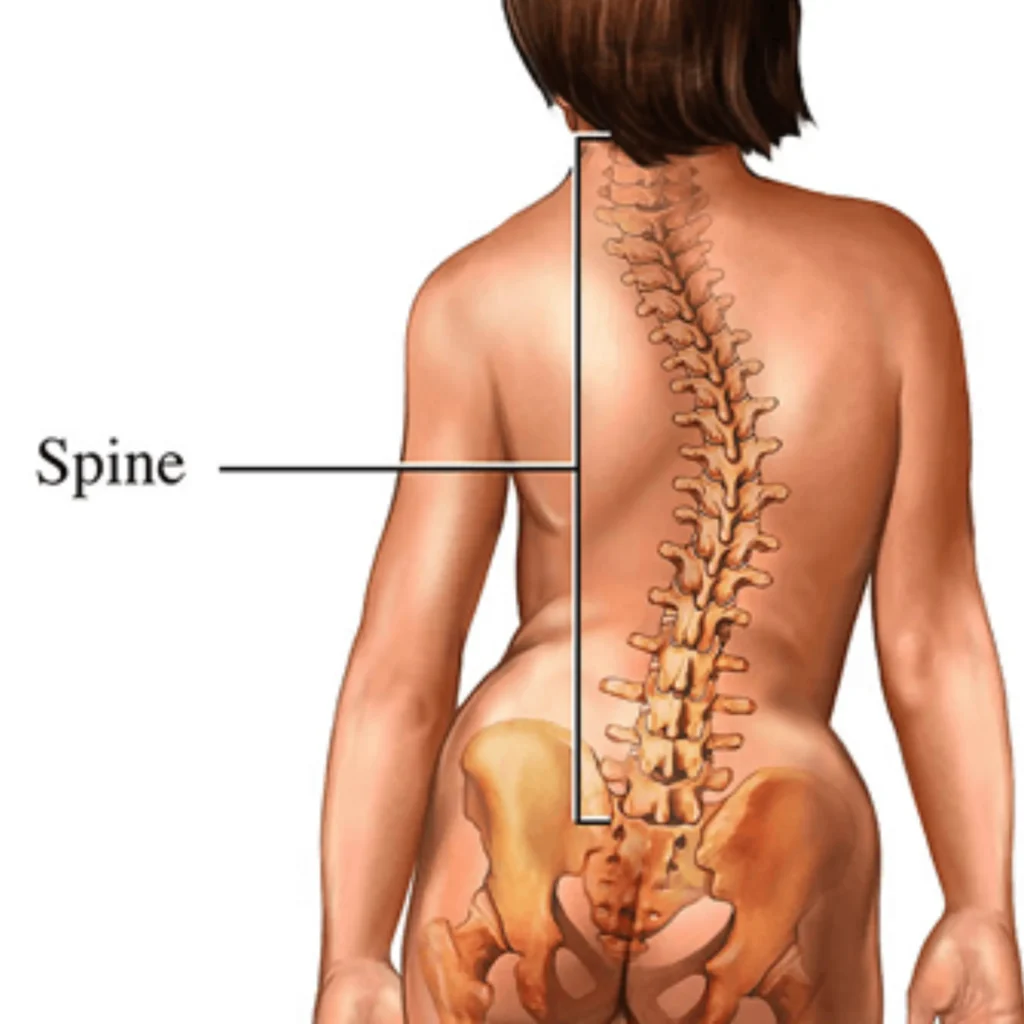
Introduction: Scoliosis, a condition characterized by an abnormal sideways curvature of the spine, affects millions of individuals globally. While scoliosis presents various challenges, incorporating appropriate exercises into your routine can play a pivotal role in managing symptoms and improving spinal health. In this guide, we’ll explore the best exercises for scoliosis, emphasizing what to try and what to avoid. Additionally, we’ll delve into the expertise of Dr. Vignesh Pushparaj, a distinguished scoliosis correction surgeon in Chennai, and the significance of exercise in scoliosis treatment. Understanding Scoliosis Scoliosis encompasses a range of spinal abnormalities, with the most common type being idiopathic scoliosis. Symptoms may include uneven shoulders, waist asymmetry, and spine curvature. While scoliosis varies in severity, it can lead to discomfort, reduced mobility, and, in severe cases, respiratory issues. Seeking guidance from specialists like Dr. Vignesh Pushparaj, who specializes in scoliosis treatment in Chennai, is crucial for accurate diagnosis and tailored treatment plans. Benefits of Scoliosis Exercises Exercise serves as a cornerstone in managing scoliosis, offering a multitude of benefits: Improved Posture: Targeted exercises help align the spine, improving posture and reducing curvature. Pain Relief: Strengthening and stretching exercises alleviate muscle tension, providing relief from pain and discomfort. Enhanced Flexibility: Regular exercise enhances spinal flexibility, promoting better range of motion. Muscle Strengthening: Strengthening muscles surrounding the spine provides support and stability, reducing the risk of progression. Types of Exercises Beneficial for Scoliosis There are various exercises that can benefit people with scoliosis. Here are some examples: Core Strengthening Exercises Bird-dog: This exercise strengthens your core and improves stability. Plank variations (regular plank, side plank): Planks target various core muscles, promoting stability for your spine. Pelvic tilts: Pelvic tilts help strengthen the muscles that support your lower back and improve core awareness. Flexibility Exercises Cat-cow stretches: This gentle yoga pose stretches and loosens the muscles in your back and spine. Latissimus dorsi stretches: Tightness in this back muscle can contribute to scoliosis. Stretching it can improve flexibility and posture. Sitting rotations: Rotational stretches can help improve your range of motion in the spine. Low-Impact Aerobic Exercises Swimming: This low-impact activity provides a full-body workout without putting stress on your spine. Walking: Walking is a simple and effective way to stay active and improve cardiovascular health without straining your spine. Stationary cycling: Stationary cycling offers a cardiovascular workout while minimizing impact on your joints. Pilates and Yoga Both Pilates and yoga emphasize controlled movements and mindful breathing, making them beneficial for individuals with scoliosis. Poses and exercises include: Cat-Cow Stretch: This yoga pose stretches and strengthens the spine, promoting flexibility and alignment. Bridge Pose: Bridge pose strengthens the back muscles, improving posture and stability. Exercises to Avoid with Scoliosis While exercise is beneficial, certain activities may exacerbate scoliosis symptoms: Heavy Lifting: Avoid heavy lifting exercises that place excessive strain on the spine, increasing curvature. Repetitive Twisting Motions: Exercises involving repetitive twisting motions may worsen spinal misalignment and discomfort. High-Impact Activities: High-impact activities like running or jumping can jar the spine, causing pain and discomfort. Excessive Backward Bending: Limit exercises that involve excessive backward bending, as they may strain the spine and exacerbate symptoms. Conclusion Incorporating appropriate exercises into your routine is essential for managing scoliosis and improving spinal health. Consult with specialists like Dr. Vignesh Pushparaj for personalized guidance and treatment plans tailored to your specific needs. By embracing the best exercises for scoliosis and avoiding activities that may worsen symptoms, you can take proactive steps towards enhancing your quality of life and overall well-being.
Degenerative Disc Disease: Causes, Symptoms & Treatment

Degenerative Disc Disease (DEGENERATIVE DISC DISEASE) is a common condition affecting millions worldwide, characterized by the gradual deterioration of intervertebral discs in the spine. Understanding the causes, symptoms, and treatment options for DEGENERATIVE DISC DISEASE is crucial for effectively managing this condition and improving quality of life. What is Degenerative Disc Disease? The spinal discs are gel-filled structures that provide both cushioning and stability to the spine. They allow us to bend, twist, and move with ease. Degenerative Disc Disease is a natural part of the aging process. As we get older, the discs lose their water content, becoming less flexible and more prone to tears. Injuries can also accelerate disc degeneration. Causes of Degenerative Disc Disease There are several factors that contribute to Degenerative Disc Disease: Age-related wear and tear: This is the most common cause. Over time, the discs lose their water content and become less effective at absorbing shock. The disc structure can also weaken and break down. Spinal injuries: Accidents, falls, or improper lifting techniques can damage the discs and accelerate degeneration. Genetics: Some people are simply more predisposed to DEGENERATIVE DISC DISEASE due to their family history. Symptoms of Degenerative Disc Disease The most common symptom of Degenerative Disc Disease is pain. The location of the pain will depend on which disc is affected. Pain in the lower back is most common, but Degenerative Disc Disease can also cause neck pain. The intensity of the pain can vary from mild to severe and may worsen with activities like sitting, bending, or lifting. Standing or walking may sometimes provide some relief. Other symptoms of Degenerative Disc Disease include: Stiffness: The range of motion in the spine may be reduced, making it difficult to bend or twist. Muscle weakness: The muscles surrounding the spine may become weak as they try to compensate for the weakened discs. This can lead to fatigue and imbalance. Neurological symptoms (in severe cases): In some cases, Degenerative Disc Disease can compress nerves, leading to numbness or tingling in the legs or arms. Sciatica, a radiating pain down the leg, can also be a symptom. Diagnosis of Degenerative Disc Disease Diagnosing DDD typically involves: Physical examination: A healthcare provider will assess your medical history and perform a physical examination to evaluate your symptoms and range of motion. Imaging tests: X-rays, MRI scans, or CT scans may be ordered to visualize the condition of the intervertebral discs and surrounding structures. Discography: In some cases, a discography may be performed to pinpoint the exact location of the affected discs by injecting contrast dye into them. Degenerative Disc Disease Treatment in Chennai The good news is that there are a variety of treatment options available for Degenerative Disc Disease, most of which focus on managing pain and improving function. Non-Surgical Treatments: Pain Management: Over-the-counter pain relievers like ibuprofen or acetaminophen can help manage mild to moderate pain. In some cases, prescription medications such as anti-inflammatory drugs may be needed. Physical Therapy: A physical therapist can design a personalized exercise program to strengthen the core muscles that support the spine. Stretching and mobility exercises can also help improve flexibility and reduce pain. Lifestyle Modifications: Maintaining a healthy weight, practicing good posture, and using proper body mechanics when lifting objects can all help reduce stress on the discs. Applying heat or ice therapy can also provide temporary pain relief. Degenerative Disc Disease Therapies in Chennai If you’re living with Degenerative Disc Disease in Chennai, Dr. Vignesh Pushparaj offers minimally invasive procedures that can provide targeted pain relief: Epidural steroid injections: These injections deliver a dose of anti-inflammatory medication directly to the epidural space around the spinal cord, helping to reduce pain and inflammation. Facet joint injections: Facet joints are small joints located between the vertebrae. Injections into these joints can target inflammation and provide pain relief. Degenerative Disc Disease Surgery in Chennai In some cases, where conservative treatments fail to provide adequate relief, surgery may be an option. Dr. Vignesh Pushparaj is a highly skilled spine surgeon in Chennai who offers various surgical procedures for Degenerative Disc Disease, including: Microdiscectomy: This minimally invasive surgery removes a herniated disc fragment that is pressing on a nerve. Spinal fusion: This surgery permanently joins together two or more vertebrae to provide stability and prevent excessive motion. Dr. Vignesh Pushparaj will perform a thorough pre-surgical evaluation to determine the best course of treatment for your individual needs. Don’t let Degenerative Disc Disease control your life. If you’re experiencing back pain or stiffness, schedule a consultation with Dr. Vignesh Pushparaj, a leading spine specialist in Chennai. Together, you can explore treatment options and create a personalized plan to get you back to living a pain-free life.
Scoliosis During Pregnancy

Scoliosis and Pregnancy: What You Need to Know Navigating the journey of pregnancy can be both exhilarating and challenging for any expectant mother. However, for women with scoliosis, the experience may come with additional considerations and potential concerns. As a leading expert in scoliosis correction treatment in Chennai, Dr. Vignesh Pushparaj understands the importance of addressing the unique needs of pregnant women with scoliosis. In this article, we’ll delve into the effects of scoliosis on pregnancy and offer valuable insights to help expecting mothers manage their condition effectively. Understanding Scoliosis and Pregnancy: Scoliosis, a condition characterized by an abnormal curvature of the spine, can vary in severity and impact from one individual to another. While some women may experience minimal discomfort, others may face more pronounced challenges, especially during pregnancy. The added weight gain and changes in posture associated with pregnancy can exacerbate existing spinal issues, leading to increased discomfort and potential complications. Effects of Scoliosis on Pregnancy Pregnancy can exert additional strain on the spine, particularly for women with existing scoliosis. As the uterus expands to accommodate the growing baby, the center of gravity shifts, placing increased pressure on the lower back and pelvic region. For women with scoliosis, this can exacerbate spinal curvature and contribute to discomfort, pain, and even nerve compression. The good news: for most women with scoliosis, pregnancy goes smoothly. However, scoliosis can sometimes lead to: Increased back pain: This is a common pregnancy symptom, but scoliosis can make it more pronounced. Breathing difficulties: In severe cases of scoliosis, the curvature of the spine can affect lung capacity. Discomfort during labor: Certain positions may feel less comfortable due to the spine curvature. Managing Scoliosis While Pregnant: Fortunately, with proper care and guidance from a skilled healthcare provider, women with scoliosis can navigate pregnancy safely and effectively. Dr. Vignesh Pushparaj, a renowned scoliosis correction surgeon in Chennai, emphasizes the importance of personalized care and tailored treatment plans for pregnant women with scoliosis. During pregnancy, maintaining good posture and practicing gentle exercises approved by a healthcare provider can help alleviate discomfort and minimize the progression of spinal curvature. Additionally, using supportive devices such as maternity belts or pillows can provide much-needed relief and support to the spine. Regular monitoring by a healthcare provider experienced in managing scoliosis during pregnancy is crucial. Close observation can help detect any changes in spinal curvature or potential complications early on, allowing for timely intervention and appropriate management. In some cases, women with severe scoliosis may require specialized care throughout pregnancy and delivery. Dr. Vignesh Pushparaj and his team provide comprehensive support to ensure the health and well-being of both mother and baby. Pre-pregnancy Consultation with a Scoliosis Correction Surgeon in Chennai If you have scoliosis and are considering pregnancy, a consultation with a scoliosis correction surgeon in Chennai is recommended. Dr. Vignesh Pushparaj can: Evaluate your specific condition. Discuss potential risks and how to manage them. Advise on exercises or stretches to improve comfort during pregnancy. Provide guidance on pain management techniques. Scoliosis Correction Treatment in Chennai While most women with scoliosis don’t require treatment before pregnancy, in some cases, Dr. Pushparaj may recommend options like bracing or physical therapy to improve your posture and core strength, which can benefit you during pregnancy. Remember: Every pregnancy is unique. Listen to your body and communicate openly with your doctor throughout your journey. Planning a healthy pregnancy with scoliosis? Schedule a consultation with Dr. Vignesh Pushparaj, a leading scoliosis correction surgeon in Chennai, to discuss your individual situation and ensure a smooth pregnancy journey.
Spondylolisthesis Causes, Symptoms & Treatments

Spondylolisthesis in Women: Understanding Back Pain and Treatment Options in Chennai Lower back pain is a frequent concern for women, and pinpointing the cause can be challenging. One underlying condition to consider is Spondylolisthesis. Dr. Vignesh Pushparaj, a renowned spine specialist in Chennai, dives into this condition, explaining its symptoms, causes, and treatment options specifically for women. What is Spondylolisthesis? Spondylolisthesis is a spinal condition where a vertebra, the individual bone forming your spine, slips forward onto the one below. This misalignment can occur anywhere along the spine, but it’s most prevalent in the lower back, particularly between the L5 (fifth lumbar) and S1 (first sacral) vertebrae, known as Spondylolisthesis L5-S1. Symptoms of Spondylolisthesis in Women While not everyone with Spondylolisthesis experiences symptoms, women who do may encounter some of the following: Lower back pain: This pain often worsens with activity, like prolonged standing or bending over. Stiffness and tightness: The back and legs may feel stiff and tight, limiting movement. Radiating pain: Pain can radiate from the lower back to the buttocks and thighs, sometimes described as a shooting or burning sensation. Muscle spasms: Spasm episodes, especially in the hamstrings (back of the thighs), can be a bothersome symptom. Difficulty with daily activities: Standing, walking, and bending over can become difficult due to pain or stiffness. Numbness and weakness (severe cases): In severe cases, numbness, weakness, or tingling sensations may develop in the legs. Causes of Spondylolisthesis Several factors contribute to the development of spondylolisthesis in women: Genetic Predisposition: Some women may inherit a susceptibility to spinal abnormalities that increase the risk of spondylolisthesis. Traumatic Injury: Accidents or sports injuries can lead to vertebral displacement, particularly in the lumbar region. Repetitive Stress: Activities like gymnastics, weightlifting, or certain occupations that involve repetitive spinal movements can strain the vertebrae over time. Congenital Defects: Women may be born with structural abnormalities in the spine that predispose them to spondylolisthesis. Lifestyle Factors: Obesity, poor posture, and inadequate core muscle strength can contribute to spinal instability and spondylolisthesis. Treatment Options for Spondylolisthesis in Chennai Dr. Vignesh Pushparaj emphasizes a non-surgical approach whenever possible. Here are some initial treatment options: Rest and Activity Modification: Reducing strenuous activities allows for healing. Pain Medication: Over-the-counter pain relievers or prescription medications can manage discomfort. Physical Therapy: Exercises designed to strengthen core muscles, improve flexibility, and maintain proper posture are crucial for long-term management. Steroid Injections: Injections can be used to reduce inflammation around the affected nerves. When is Spondylolisthesis Surgery Considered in Chennai? If non-surgical treatments fail to provide relief, Dr. Pushparaj can discuss surgical options available in Chennai. Spondylolisthesis surgery is a complex procedure, and Dr. Pushparaj will carefully evaluate your individual needs to determine the most suitable approach. Conclusion Spondylolisthesis can be a source of significant pain and discomfort for women. Early diagnosis and treatment are essential for managing symptoms and preventing complications. If you experience persistent lower back pain, consult Dr. Vignesh Pushparaj for a comprehensive evaluation and personalized treatment plan in Chennai. Remember, early intervention is key to getting you back to your active life.
Osteoporosis and Spine Fractures in Women

Osteoporosis, a condition characterized by weakened bones, is a major health concern for women, particularly after menopause. This condition increases the risk of fractures, especially in the spine. Dr. Vignesh Pushparaj, a leading expert in Chennai, can help diagnose, treat, and manage osteoporosis and its associated fractures. Understanding Osteoporosis and Spine Fractures Osteoporosis weakens bone density and quality, making them more susceptible to breaks. The vertebrae in the spine are particularly vulnerable. These fractures, called vertebral compression fractures, can occur due to a fall or even minimal stress in advanced cases. Symptoms of Osteoporosis Osteoporosis often progresses silently until a fracture occurs. However, some women may experience: Back pain, especially in the upper or middle back Loss of height A stooped posture or a curved back (kyphosis) Causes of Osteoporosis Several factors contribute to osteoporosis in women: Decreased estrogen levels: Estrogen plays a vital role in bone health. After menopause, estrogen levels decline significantly, accelerating bone loss. Calcium and vitamin D deficiency: Calcium is essential for bone formation, and vitamin D aids calcium absorption. Deficiencies in either can weaken bones. Family history: A family history of osteoporosis increases your risk. Lifestyle factors: Smoking, excessive alcohol consumption, and a sedentary lifestyle can contribute to bone loss. Certain medications: Long-term use of corticosteroids can weaken bones. Causes Specific to Females Women are more susceptible to osteoporosis due to several factors: Menopause: The significant estrogen decline during menopause accelerates bone loss. Smaller bone size: Women generally have smaller bone mass compared to men, making them more vulnerable to weakening. Earlier peak bone mass: Women reach peak bone mass earlier in life than men, leaving less bone density to lose with age. Osteoporosis Pain Relief Dr. Vignesh Pushparaj can offer various options to manage pain associated with osteoporosis and fractures: Medications: Medications like bisphosphonates can help prevent further bone loss and reduce fracture risk. Pain relievers may also be prescribed for symptom control. Physical therapy: Strengthening exercises can improve posture, flexibility, and balance, reducing the risk of falls. Vertebral augmentation procedures: In some cases, minimally invasive procedures like vertebroplasty or kyphoplasty can help stabilize fractured vertebrae and alleviate pain. Osteoporosis Fracture Treatment in Chennai Dr. Vignesh Pushparaj offers comprehensive treatment for osteoporosis and its complications in Chennai. Treatment options may include: Medication management: Tailoring a medication regimen to your specific needs. Lifestyle modifications: Promoting a healthy diet rich in calcium and vitamin D, recommending weight-bearing exercises, and advising on smoking cessation and alcohol moderation. Pain management: Implementing strategies for effective pain control. Minimally invasive procedures: Considering kyphoplasty or vertebroplasty for suitable cases. Osteoporosis Spine Surgery in Chennai In rare instances, surgery may be necessary for severe spinal fractures causing significant pain, nerve compression, or deformity. Dr. Vignesh Pushparaj can assess the need for surgery and recommend the most appropriate approach. Early diagnosis and intervention are crucial for managing osteoporosis and preventing fractures. If you experience any symptoms suggestive of osteoporosis, consult Dr. Vignesh Pushparaj for a comprehensive evaluation and personalized treatment plan.
Can Scoliosis Cause Your Neck Pain?
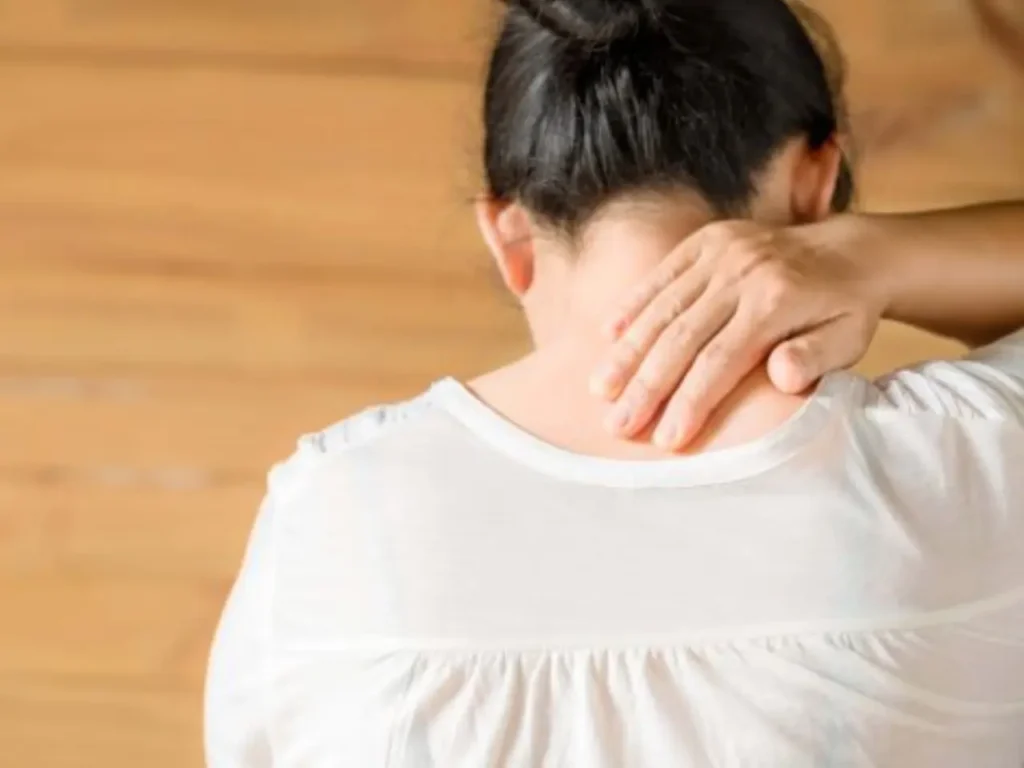
Scoliosis, a condition characterized by an abnormal curvature of the spine, affects millions of people worldwide. While the most noticeable effects of scoliosis often involve the curvature of the spine itself, many individuals with scoliosis also experience secondary symptoms, including neck pain. Many are familiar with the characteristic “C” or “S” shaped curvature of the spine associated with Scoliosis. But did you know that Scoliosis can also affect your neck, leading to a different yet potentially debilitating condition called Scoliosis Neck Pain? This blog post, courtesy of Dr. Vignesh Pushparaj, a leading Scoliosis Treatment Doctor in Chennai, explores the connection between Scoliosis and neck pain, outlining its causes, symptoms, treatment options, and tips for managing the condition. How Scoliosis Affects the Spine: Scoliosis refers to an abnormal sideways curvature of the spine, disrupting its natural alignment. This curvature can occur anywhere along the spine, including the cervical (neck) region. Depending on the location and severity of the curve, Scoliosis can put undue stress on the muscles, nerves, and joints of the neck, leading to pain and discomfort. Factors Contributing to Neck Pain in Scoliosis: Muscle strain and imbalances: Due to the altered biomechanics caused by Scoliosis, certain muscles in the neck and shoulders become overworked, while others become weak, leading to imbalances and potential pain. Nerve compression: Misalignment of the vertebrae in Scoliosis can put pressure on the nerves exiting the spinal canal, causing pain, numbness, or tingling in the arms and hands. Reduced range of motion: Scoliosis can limit the mobility and flexibility of the cervical spine, making it difficult to turn or tilt your head freely, further contributing to discomfort. Compensatory curves: Sometimes, the body develops additional curves above or below the primary Scoliosis curve to try and compensate. This can put additional strain on the neck and contribute to pain. Symptoms of Scoliosis Neck Pain: Sharp or aching pain in the neck and shoulders. Headaches and dizziness. Stiffness and reduced flexibility in the neck. Difficulty maintaining a neutral head position. Numbness or tingling in the arms or hands. Treatment Options for Scoliosis Neck Pain Conservative Treatments: Many cases of Scoliosis Neck Pain can be managed effectively with non-invasive approaches: Physical therapy: A physical therapist can design personalized exercises to improve flexibility, strengthen muscles, and enhance posture, alleviating pain and preventing further problems. Pain management: Medications, heat/ice therapy, and massage therapy can provide temporary relief and manage pain symptoms. Ergonomic modifications: Adjusting your workstation setup to minimize neck strain and promote good posture can significantly reduce discomfort. Advanced Treatments: In some cases, depending on the severity and cause of the pain, your doctor may recommend: Bracing: In specific cases, a custom-designed brace can help support the spine and improve alignment, reducing pressure on the neck. Scoliosis Neck Pain Exercises: Gentle neck stretches and rotations to improve flexibility and range of motion. Strengthening exercises for neck and shoulder muscles to improve stability and support. Posture-corrective exercises to maintain proper alignment and prevent further strain. Consistency and proper form are essential when performing these exercises to maximize their effectiveness and minimize the risk of injury. Living with Scoliosis Neck Pain Living with Scoliosis Neck Pain doesn’t have to limit your life. Here are some tips for managing the condition and maintaining well-being: Maintain good posture throughout the day: Be mindful of your posture while sitting, standing, and sleeping. Use ergonomic aids and practice postural awareness exercises. Regular exercise and stretching: Engage in regular physical activity and stretching routines specifically designed for Scoliosis and neck pain. Manage stress and promote relaxation: Stress can exacerbate pain. Practice relaxation techniques like deep breathing or meditation to manage stress levels. Regular follow-up with your doctor: Schedule regular checkups with your doctor, like Dr. Vignesh Pushparaj, a renowned Scoliosis Treatment Doctor in Chennai, for monitoring your condition, adjusting treatment plans, and addressing any concerns. Scoliosis Treatment Doctors in Chennai In addition to Dr. Vignesh Pushparaj, Chennai boasts a diverse range of doctors specializing in scoliosis treatment. Whether seeking surgical intervention or non-invasive therapies, individuals can find reputable professionals to address their specific needs. It’s essential to consult with qualified experts to receive tailored treatment and guidance. Conclusion: Scoliosis Neck Pain can be a worrying and unpleasant experience. However, with proper understanding, early diagnosis, and the right treatment plan, you can manage your pain and live an active and fulfilling life. If you’re struggling with Scoliosis Neck Pain, don’t hesitate to seek professional help from a qualified Scoliosis correction surgeon in Chennai like Dr. Vignesh Pushparaj. Remember, early intervention and personalized treatment are key to effectively managing Scoliosis Neck Pain and preventing further complications. Schedule an appointment with Dr. Vignesh Pushparaj today and take control of your neck pain, reclaim your well-being, and live life to the fullest!
How to Avoid Back Pain while Sleeping

No More Back Pain While Sleeping: Effective Strategies for a Pain-Free Night’s Rest Sleep is essential for overall health and well-being, but for those experiencing back pain, finding relief while sleeping can be challenging. The way we position ourselves during sleep can either alleviate or exacerbate back pain. In this guide, we’ll delve into the best sleeping positions for back pain relief, with insights from Dr. Vignesh Pushparaj, a leading Lower Back Pain surgeon in Chennai. Understanding Back Pain While Sleeping Back pain while sleeping is a common issue that can disrupt sleep quality and impact daily life. Factors contributing to back pain during sleep include poor sleeping posture, inadequate mattress and pillow support, and underlying medical conditions such as sciatica or spinal stenosis. Addressing these factors is crucial for alleviating back pain and improving sleep quality. Causes of Back Pain While Sleeping: Several factors can contribute to back pain while sleeping: Poor posture: Maintaining slouched or hunched positions throughout the day puts strain on your back muscles, impacting sleep quality. Mattress and pillow issues: An unsupportive mattress or flat pillow can misalign your spine and exacerbate pain. Underlying medical conditions: Certain conditions like arthritis or spinal stenosis can worsen back pain during sleep. Improper sleeping positions: Choosing a position that strains your spine or puts uneven pressure on your back can trigger pain. How Sleep Deprivation Worsens Back Pain: Inadequate sleep creates a vicious cycle with back pain. When you don’t get enough rest: Inflammation increases: Sleep deprivation elevates inflammatory markers, contributing to back pain intensity. Muscle tension and stiffness: Lack of sleep hinders muscle recovery, leading to tightness and stiffness in your back. Pain perception disrupts: Sleep deprivation alters pain perception, making you more sensitive to discomfort. Best Sleeping Positions for Back Pain Relief The Role of Sleeping Positions in Back Pain Relief Different sleeping positions can significantly impact back pain relief. Let’s explore some of the best sleeping positions recommended for individuals with back pain: Finding the right sleeping position can act as a natural pain reliever and promote healing. Let’s explore some options: Sleeping on Your Back (Superman): This position is often lauded for its back pain relief benefits: Why it Works: Lying flat on your back naturally aligns your spine, minimizing pressure on discs and muscles. Pro Tip: Place a pillow under your knees to maintain the natural curve of your lower back and prevent strain. Side Sleeping (Log): Many find side sleeping comfortable and effective for back pain relief: Why it Works: Sleeping on your side offers good spinal alignment, distributing body weight evenly and reducing pressure on your back. Pro Tip: Tuck a pillow between your knees to keep your hips, pelvis, and spine aligned in a neutral position. Fetal Position: Curling up on your side offers another option for some: Why it Works: The fetal position can provide support for your lower back and potentially improve disc space. Pro Tip: Avoid excessive curling, which can strain your neck and contribute to pain. Other Positions to Consider: Reclined Position: For people with breathing problems or GERD, sleeping slightly reclined with pillows supporting your upper body can ease discomfort. Stomach Sleeping: While not generally recommended due to increased strain on your neck and back, some find relief in this position with a very thin pillow and no additional pillows under the abdomen. Additional Tips for Optimal Sleep: Finding the right position is just one step. These additional tips can enhance your sleep quality and back pain relief: Choose the right mattress and pillow: Invest in a supportive mattress and a pillow that cradles your head and neck in proper alignment. Maintain good sleep hygiene: Establish a regular sleep schedule, create a relaxing bedtime routine, and minimize screen time before sleep. Stretch and exercise regularly: Regular stretching and exercises for your core and back muscles can improve flexibility, strengthen your core, and reduce pain. Seek professional help for persistent pain: If back pain persists despite lifestyle changes, consult Dr. Vignesh Pushparaj for personalized guidance and treatment options. Conclusion: Remember, the best sleeping position for back pain relief is the one that feels most comfortable and aligns your spine naturally. Experiment with different positions, pay attention to your body’s feedback, and don’t hesitate to seek professional help for persistent pain. Dr. Vignesh Pushparaj is dedicated to helping you achieve pain-free sleep and a healthier, happier you. Schedule an appointment today and take control of your back pain!
Whiplash Injury: Causes, Symptoms and Treatments

Introduction: Dr. Vignesh Pushparaj, a renowned spine surgeon in Chennai, understands the life-altering impact of whiplash. This sudden, forceful movement of the neck can damage muscles, ligaments, and nerves, causing pain, stiffness, and other debilitating symptoms. Whether you’ve recently experienced a car accident or a sports injury, seeking timely diagnosis and effective treatment is crucial. This blog delves into the causes, symptoms, and treatment options for whiplash, highlighting Dr. Vigensh Pushparaj expertise in managing this condition in Chennai. What is Whiplash Injury? Whiplash occurs when the neck experiences a sudden, forceful back-and-forth movement, often exceeding its normal range of motion. This rapid movement can stretch, tear, or even damage muscles, ligaments, and nerves in the neck, leading to a variety of painful symptoms. It’s important to remember that whiplash differs from simple neck strain, which typically involves less force and injury severity. Neck Strain vs. Whiplash: Neck strain, caused by overuse or awkward postures, typically results in mild pain and stiffness that improve with rest. Whiplash, on the other hand, can cause more intense and persistent pain, radiating to the shoulders, arms, and even causing headaches and dizziness. It’s crucial to seek medical evaluation to differentiate between these conditions and ensure proper diagnosis and treatment. Common Causes of Whiplash Injury: Motor Vehicle Accidents: Rear-end collisions are the most common cause of whiplash, with the sudden jolt forcing the head and neck to snap forward and backward. However, any abrupt stop or impact, like side-swipes or rollovers, can also lead to this injury. Sports Injuries: Contact sports like football, rugby, and hockey, as well as activities like skiing and diving, can cause whiplash due to falls, collisions, or other forceful movements. Physical Abuse: While a sensitive topic, it’s important to acknowledge that physical abuse can also be a cause of whiplash. If you or someone you know is experiencing abuse, please seek help from trusted resources. Recognizing the Symptoms of Whiplash: Immediate Symptoms: The following symptoms may appear within hours of the injury: Neck pain and stiffness Headaches, often at the base of the skull Dizziness and nausea Fatigue and difficulty concentrating Delayed Symptoms: Some symptoms may develop days or even weeks later, including: Pain radiating to the shoulders and arms. Numbness or tingling in the arms and hands. Blurred vision or ringing in the ears. Difficulty sleeping and irritability. Looking for Whiplash Injury Treatment in Chennai? Importance of Early Diagnosis: Early diagnosis and treatment are crucial for a faster recovery and reduced risk of complications. Dr. Vignesh Pushparaj emphasizes the importance of seeking medical attention if you experience any whiplash symptoms, even if they seem mild. Treatment Options Available in Chennai: Fortunately, various treatment options are available in Chennai to manage whiplash. Dr. Vignesh Pushparaj offers a personalized approach, often starting with conservative care: Rest and pain medication: Resting the neck and using over-the-counter pain relievers can help manage initial pain and inflammation. Physical therapy: Strengthening exercises and gentle stretches improve flexibility, reduce pain, and restore normal neck function. Advanced treatments: If conservative measures fail, Dr. Vignesh Pushparaj may consider injections, nerve blocks, or even surgery in severe cases. Expertise of Dr. Vignesh Pushparaj: Dr. Vignesh Pushparaj, a leading spine surgeon in Chennai, possesses extensive experience and expertise in diagnosing and treating whiplash. He utilizes advanced diagnostic techniques and tailors’ treatment plans to each patient’s unique needs and goals. Conclusion: Understanding the causes, symptoms, and treatment options for whiplash is essential for anyone at risk of experiencing this injury. By recognizing the signs and seeking timely medical attention, individuals can mitigate the impact of whiplash and facilitate a smoother recovery process. In Chennai, the availability of skilled spine surgeons ensures that individuals with whiplash injuries receive comprehensive care tailored to their specific needs, promoting optimal outcomes and improved quality of life. Remember, you don’t have to live with the pain and limitations of whiplash. Contact Dr. Vignesh Pushparaj