
Causes of Back Pain in Women

Understanding the Causes of Lower Back Pain in Females: A Comprehensive Guide Lower back pain in females is a prevalent health issue that can significantly impact daily life. Dr. Vignesh Pushparaj, a renowned back pain treatment doctor in Chennai, emphasizes the importance of understanding the various causes of lower back pain to provide effective treatment and relief for his patients. Understanding Lower Back Pain in Females Lower back pain, especially in women, can stem from a variety of factors. Hormonal influences, pelvic structure, pregnancy-related changes, and lifestyle choices play crucial roles in the manifestation of this condition. Dr. Vignesh Pushparaj expertise in diagnosing and treating gender-specific back pain concerns ensure comprehensive care for his patients in Chennai. Common Causes of Lower Back Pain in Females A. Musculoskeletal Causes 1.Muscle strain and sprain: Overexertion, improper lifting techniques, or sudden movements can lead to muscle strain in the lower back.2.Degenerative disc disease: Age-related wear and tear on spinal discs can cause lower back pain, especially in women.3.Osteoarthritis: Degeneration of the joints in the spine can result in chronic lower back pain, affecting women disproportionately. B. Gynecological Causes • Pelvic inflammatory disease (PID): Infections in the reproductive organs can cause lower back pain in women.• Endometriosis: The presence of endometrial tissue outside the uterus can lead to pelvic and lower back pain.• Fibroids: Noncancerous growths in the uterus can cause pressure on surrounding structures, resulting in lower back pain. C. Pregnancy-related Causes Lumbar lordosis: Changes in posture and spinal curvature during pregnancy can lead to lower back pain. Symphysis pubis dysfunction (SPD): Instability and pain in the pelvic region can radiate to the lower back during pregnancy. Sciatica: Compression of the sciatic nerve due to pregnancy-related changes can cause shooting pain in the lower back and legs. D. Lifestyle and Occupational Factors Sedentary lifestyle: Prolonged sitting and lack of physical activity can contribute to lower back pain in women. Poor posture: Slouching or hunching over can strain the muscles and ligaments in the lower back. Heavy lifting and manual labor: Jobs that involve heavy lifting or repetitive movements can increase the risk of lower back pain. Stress and mental health issues: Emotional stress and anxiety can exacerbate muscle tension and contribute to lower back pain. Diagnosis of Lower Back Pain in Females Dr. Vignesh Pushparaj employs a comprehensive approach to diagnose lower back pain in females. This includes a thorough medical history assessment, physical examination, and appropriate imaging tests such as X-rays, MRI, or CT scans. For gynecological causes, laboratory tests may also be necessary to identify underlying conditions. Treatment Options for Lower Back Pain in Females A. Non-Surgical Approaches Physical therapy and exercise: Strengthening exercises and stretching techniques can improve flexibility and alleviate lower back pain. Pain management techniques: Medications, injections, and alternative therapies can help manage pain and inflammation. Chiropractic care and spinal manipulation: Manual adjustments can correct spinal misalignments and relieve pressure on nerves. Lifestyle modifications: Vignesh Pushparaj emphasizes the importance of ergonomic adjustments and posture correction to prevent and treat lower back pain. B. Surgical Interventions In severe cases where conservative treatments fail to provide relief, surgical interventions may be considered. These may include procedures such as discectomy, spinal fusion, microdiscectomy, or endoscopic spine surgery, tailored to the individual needs of the patient. Gynecological Treatments For gynecological causes of lower back pain, hormonal therapy or surgical interventions may be recommended to address underlying conditions such as endometriosis or fibroids. Prevention Strategies for Lower Back Pain in Females Dr. Vignesh Pushparaj advocates for proactive measures to prevent lower back pain in females. This includes regular exercise, maintaining a healthy weight, practicing good posture habits, using ergonomic furniture, managing stress, and scheduling regular check-ups for gynecological health. Conclusion: Understanding the diverse causes of lower back pain in females is essential for effective treatment and prevention strategies. Dr. Vignesh Pushparaj expertise in back pain treatment in Chennai ensures personalized care for women seeking relief from this debilitating condition. By prioritizing spinal health and seeking timely medical attention, women can reclaim their quality of life and vitality. Don’t let back pain limit you. Contact Dr. Vignesh Pushparaj clinic in Chennai today for a consultation and take the first step towards a pain-free future.
Traveling with Back Pain

Traveling with Back Pain: Tips for Comfortable Journeys by Dr. Vignesh Pushparaj Introduction: Traveling is an exciting adventure, but for individuals dealing with back pain, it can also be a challenging experience. Dr. Vignesh Pushparaj, a renowned back pain treatment doctor and spine surgeon in Chennai, understands the impact that long journeys can have on spinal health. In this article, we will explore practical tips for traveling with back pain, addressing the unique challenges faced by individuals who often find themselves dealing with back pain after or due to traveling. Traveling with Back Pain Choose the Right Seat: When possible, opt for seats with good lumbar support, whether in a car, plane, or train. Positioning a small pillow or a lumbar roll behind your lower back can help maintain the natural curve of your spine and reduce stress on your lower back. Frequent Breaks and Stretching: Take regular breaks during long journeys to stand up, stretch, and walk around. Gentle stretches for your back, neck, and legs can help alleviate stiffness and improve circulation, preventing back pain from escalating. Pack Light: Minimize the weight of your luggage to reduce strain on your back. Choose a suitcase with wheels to make it easier to transport and distribute the weight evenly between two bags if possible. Supportive Footwear: Wear comfortable and supportive shoes, especially if you’ll be walking a lot during your travels. Proper footwear can positively impact your posture and alleviate stress on your spine. Back Pain After Traveling 1- Hot and Cold Therapy: Pack a reusable hot or cold pack to use as needed during your journey. Applying heat or cold to the affected area can help soothe muscle soreness and reduce inflammation that may contribute to back pain after traveling. 2- Hydration and Nutrition: Stay hydrated and maintain a balanced diet. Proper hydration and nutrition support overall health and can contribute to minimizing inflammation and muscle tension, which are common contributors to back pain. Tips for Traveling with Back Pain 1- Travel Pillow and Cushion: Bring a supportive travel pillow for your neck and a cushion for your lower back. These accessories can enhance comfort during long periods of sitting, especially in less-than-ideal seating arrangements. 2-Back-Friendly Exercises: Incorporate gentle exercises into your travel routine. Simple stretches, pelvic tilts, and seated yoga poses can help keep your back flexible and reduce tension. 3-Communication with Travel Companions: If you are traveling with others, communicate your need for occasional breaks and comfort adjustments. Discussing your back pain concerns openly can lead to a more supportive and understanding travel experience. Back Pain Relief Tips for Long Road Trips Embarking on a road trip can be a thrilling adventure, but hours of sitting in a car can take a toll on your back. Here are some practical tips to find relief and make your long road trip more enjoyable: 1-Ergonomic Seating: Adjust your car seat to provide proper lumbar support. Consider using a cushion or pillow to enhance comfort and maintain a healthy spinal alignment. 2-Frequent Stops: Plan regular breaks to stretch and move around. Use rest stops as an opportunity to walk, stretch, and rejuvenate your muscles. 3-Gentle Exercises: Incorporate simple exercises during pit stops to keep your back flexible. Stretch your legs, perform trunk rotations, and do standing backbends to alleviate tension. 4-Maintain Good Posture: Focus on maintaining good posture while driving. Sit with your back against the seat and avoid hunching over the steering wheel. Consider using a lumbar roll for added support. 5-Hydration and Snacking: Stay hydrated by having water within reach, and pack healthy snacks to maintain your energy levels. Dehydration and low energy can contribute to muscle discomfort. 6-Use Supportive Accessories: If your car lacks sufficient lumbar support, invest in portable lumbar cushions. These accessories can make a significant difference in your comfort during long drives. 7-Rotate Drivers: If traveling with others, take turns driving to provide everyone with an opportunity to stretch and relax. Sharing the driving responsibilities can reduce the strain on a single individual’s back. 8-Entertainment for Passengers: Keep passengers entertained with games, music, or movies. Engaged passengers are less likely to feel discomfort, contributing to a more enjoyable journey. By implementing these practical tips, you can minimize the risk of back pain during flights and long road trips, ensuring that your travel experiences remain comfortable and pain-free. Back Pain Treatment Doctor in Chennai – Consult with Dr. Vignesh Pushparaj For individuals facing persistent back pain after or due to traveling, seeking the expertise of a qualified professional is crucial. Dr. Vignesh Pushparaj, a dedicated Back & Neck Pain surgeon in Chennai, specializes in diagnosing and treating spinal conditions. Whether your back pain is related to travel or other factors, Dr. Vignesh can provide personalized solutions to help you find relief and improve your overall spinal health. In conclusion: Traveling with back pain requires thoughtful planning and proactive measures to ensure a comfortable journey. By implementing these tips and seeking guidance from Dr. Vignesh Pushparaj, you can enhance your travel experience and prioritize the well-being of your spine.
How Does Technology Affect Your Neck?

Understanding Tech Neck: The Impact of Technology on Neck Pain In the era of advanced technology, our dependence on electronic devices has increased significantly. While these gadgets have undoubtedly made our lives more convenient, they have also brought along some unintended consequences. One such consequence that is increasingly prevalent is “Tech Neck.” In this article, we will delve into what Tech Neck is, how technology affects your neck, the symptoms associated with this condition, and practical measures to prevent and alleviate it. What is Tech Neck? Tech Neck refers to the strain and pain in the neck and upper shoulders caused by the prolonged use of smartphones, tablets, computers, and other electronic devices. This condition is a result of the repeated bending of the neck forward and downward while using these devices, leading to increased stress on the cervical spine. How Does Technology Affect Your Neck? The advent of smartphones and computers has revolutionized the way we work, communicate, and entertain ourselves. However, the constant use of these devices often involves a forward head posture, contributing to the development of Tech Neck. This prolonged flexion of the neck puts extra pressure on the cervical spine, leading to muscle strain, stiffness, and, in severe cases, structural damage. Tech Neck Symptoms and Computer Neck Syndrome Identifying the symptoms of Tech Neck is crucial for early intervention. Common symptoms include neck pain, stiffness, headaches, and shoulder pain. Over time, individuals suffering from Tech Neck may also experience tingling sensations or numbness in the arms and hands. Computer Neck Syndrome, a subset of Tech Neck, encompasses a range of musculoskeletal issues arising from extended computer use, exacerbating the overall impact on the neck and upper back. How to Prevent Tech Neck? Preventing Tech Neck involves a combination of awareness, ergonomic adjustments, and lifestyle changes. Here are some tips to minimize the risk: Maintain Proper Posture: Be mindful of your posture while using electronic devices. Keep your head aligned with your spine and avoid looking down for extended periods. Take Regular Breaks: Incorporate breaks into your screen time to stretch and move around. Simple neck stretches and exercises can help alleviate tension. Adjust Your Workspace: Ensure that your computer monitor is at eye level, and your chair and desk are ergonomically designed to support a neutral spine position. Hold Devices at Eye Level: When using smartphones or tablets, raise the device to eye level to reduce the angle of neck flexion. Text Neck Syndrome Exercises Engaging in specific exercises can strengthen neck muscles and improve flexibility, mitigating the impact of Tech Neck. Incorporate exercises such as neck tilts, neck stretches, and shoulder blade squeezes into your routine to promote a healthier posture. Neck Pain Treatment in Chennai – Consult with Dr. Vignesh If you are experiencing persistent neck pain related to Tech Neck, seeking professional help is essential. Dr. Vignesh, a trusted Neck pain treatment doctor in Chennai, specializes in addressing musculoskeletal issues and providing comprehensive solutions for neck pain. With expertise in both preventive measures and advanced treatments, Dr. Vignesh can guide you towards a path of relief and improved neck health. In conclusion: While technology has undoubtedly enhanced our lives, it is crucial to be aware of its potential adverse effects on our physical well-being. By adopting preventive measures, ergonomic adjustments, and seeking professional guidance when needed, we can minimize the impact of Tech Neck and ensure a healthier, pain-free neck.
How to Choose the Right Pillow for Neck?

Choosing the Best Pillow for Your Neck : A Guide to Neck Pain Relief Introduction: Choosing the right pillow is crucial for maintaining good neck health and ensuring a restful night’s sleep. Dr. Vignesh Pushparaj, a renowned Pain Treatment Specialist and one of the best Spine Surgeons in Chennai, emphasizes the significance of selecting an appropriate pillow to alleviate neck pain. In this comprehensive guide, we will explore the essential factors to consider and tips on finding the best pillow for back sleepers and those seeking relief from back and neck pain. Understanding the Importance of the Right Pillow: 1-The Role of Pillow in Neck Health: Your choice of pillow plays a pivotal role in maintaining optimal neck health. The pillow’s primary function is to support the natural curvature of your spine, especially the cervical spine, which encompasses the neck. A well-designed pillow ensures that your head and neck are properly aligned during sleep, preventing strain and discomfort. Dr. Vignesh Pushparaj underscores the significance of selecting a pillow that provides adequate support to the neck. The right pillow contributes to the maintenance of a neutral spine position, reducing the risk of developing neck pain and stiffness. 2-Impact of Incorrect Pillow Choice on Sleep Quality: An improper pillow can have a profound impact on the quality of your sleep. If your pillow fails to provide the necessary support or is not suitable for your sleeping position, it may lead to discomfort, tossing and turning, and ultimately, disrupted sleep. Dr. Vignesh Pushparaj emphasizes that poor sleep quality not only affects your energy levels and mood but can also exacerbate existing neck pain issues. Choosing the wrong pillow can contribute to muscle strain, misalignment of the spine, and increased pressure on sensitive neck structures, leading to a restless night’s sleep. Dr. Vignesh Pushparaj Expertise in Neck Pain Treatment: As a distinguished Neck Pain Treatment Specialist in Chennai, Dr. Vignesh Pushparaj brings a wealth of expertise to the realm of neck pain treatment. His comprehensive approach involves understanding the unique needs of each patient and formulating personalized treatment plans. Dr. Vignesh Pushparaj commitment to addressing neck pain extends beyond medical interventions. He recognizes the pivotal role of preventive measures, such as choosing the right pillow, in managing and preventing neck pain. By integrating his expertise in pain management with practical advice on pillow selection, Dr. Vignesh Pushparaj ensures a holistic approach to neck health and overall well-being. Factors to Consider When Choosing a Pillow: A- Pillow Material: Understanding the nuances of various pillow materials such as memory foam, latex, feather, and polyester aids in making an informed choice tailored to individual preferences and needs. B- Pillow Loft: Low Loft for Stomach Sleepers Medium Loft for Back Sleepers High Loft for Side Sleepers C- Support and Firmness: Balancing softness and support are crucial in finding the right pillow for neck pain relief. Dr. Vignesh Pushparaj provides insights into the ideal firmness levels that cater to individual comfort and health requirements. D- Pillow Size: Choosing the right pillow size, be it standard, queen, or king, ensures that the pillow complements the individual’s body proportions and sleep preferences. Best Pillow for Back Sleepers: 1- Dr. Vignesh Pushparaj Recommendations for Back Sleepers: Tailored advice for back sleepers includes specific pillow features that enhance support and alignment for this sleep position. 2- Pillow Features for Optimal Back Sleep Support: Highlighting key features such as contouring, firmness, and material choices that are beneficial for back sleepers seeking the best pillow for their sleep posture. 3- Testimonials from Back Sleepers Who Found Relief: Real-life experiences from individuals who have followed Dr. Vignesh Pushparaj’s recommendations for back sleepers and experienced positive outcomes. Dr. Vignesh Pushparaj’s Expertise in Neck Pain Treatment: As a renowned Pain Treatment Specialist in Chennai, Dr. Vignesh Pushparaj combines medical expertise with a holistic approach to neck pain management. His commitment to patient well-being extends to preventive measures, recognizing the role of the right pillow in neck health. Dr. Vignesh Pushparaj comprehensive strategies encompass both treatment and lifestyle adjustments to address the root causes of neck pain. Conclusion: Choosing the right pillow is a fundamental step towards achieving neck pain relief and ensuring a peaceful night’s sleep. Dr. Vignesh Pushparaj expertise as a Pain Treatment Specialist and Spine Surgeon in Bangalore & Chennai enriches this guide, offering a holistic perspective on neck health. By incorporating key factors such as pillow material, loft, support, and size, individuals can make informed decisions that contribute to their overall well-being. Take the first step toward a pain-free and comfortable sleep experience with the guidance of Dr. Vignesh Pushparaj.
Can Acid Reflux Cause Back Pain?

Acid reflux, a common digestive disorder, is often associated with symptoms such as heartburn, regurgitation, and chest discomfort. However, a lesser known but significant complication is the connection between acid reflux and back pain. In this article, Dr. Vignesh Pushparaj, renowned for his expertise in Back and Neck pain management, explores the causes, symptoms, and effective treatments for acid reflux with back pain. Causes of Acid Reflux with Back Pain Esophageal Irritation: Acid reflux occurs when stomach acid flows back into the esophagus, causing irritation. This irritation can extend to the upper back, leading to discomfort and pain. Nerve Stimulation: The acid can stimulate nerves in the esophagus, leading to referred pain in the back. Understanding this connection is crucial in addressing both acid reflux and back pain simultaneously. Hiatal Hernia: A hiatal hernia, where part of the stomach pushes into the diaphragm, can contribute to both acid reflux and back pain. Acid Reflux Back Pain Symptoms: Burning Sensation: Individuals experiencing acid reflux with back pain may describe a burning sensation in the chest that extends to the upper back. Regurgitation: Back pain might be accompanied by the sensation of stomach contents flowing back into the throat, known as regurgitation. Difficulty Swallowing: In severe cases, acid reflux may lead to difficulty swallowing, causing pain in the back as a secondary symptom. How to treat Back Pain caused by Acid Reflux? Medication: Dr. Vignesh Pushparaj often recommends acid-suppressing medications to control stomach acid and alleviate symptoms. These may include proton pump inhibitors (PPIs) and H2 blockers. Lifestyle Modifications: Adopting lifestyle changes such as maintaining a healthy weight, avoiding trigger foods, and elevating the head during sleep can significantly reduce acid reflux and associated back pain. Physical Therapy: For those with persistent back pain, physical therapy tailored to address both acid reflux-related issues and back pain can provide relief. Surgical Intervention: In severe cases or when conservative measures fail, surgical options like fundoplication may be considered to address acid reflux and its associated symptoms, including back pain. How to Prevent Back Pain Caused by Acid Reflux: Preventing back pain associated with acid reflux involves adopting a holistic approach that addresses both the digestive and musculoskeletal aspects. Dr. Vignesh Pushparaj recommends the following strategies for minimizing the occurrence of back pain linked to acid reflux: Dietary Modifications: Identify and avoid trigger foods that can exacerbate acid reflux. Opt for smaller, more frequent meals to reduce pressure on the stomach. Include alkaline-rich foods in your diet to help neutralize stomach acid. Maintain a Healthy Weight: Excess weight can contribute to both acid reflux and back pain. Maintain a healthy weight through a balanced diet and regular exercise. Posture Awareness: Practice good posture, especially after meals, to prevent undue pressure on the stomach and lower back. Elevate Your Head During Sleep: Use a wedge pillow or elevate the head of your bed to keep stomach acid from flowing back into the esophagus during sleep. Regular Exercise: Engage in low-impact exercises like walking or swimming to promote overall health and reduce the likelihood of back pain. Hydration: Stay adequately hydrated to help with digestion and prevent the buildup of stomach acid. Avoid Late-night Eating: Refrain from consuming large meals close to bedtime to reduce the risk of acid reflux during the night. By incorporating these preventive measures into your lifestyle, you can significantly reduce the frequency and intensity of back pain associated with acid reflux. When to Contact a doctor?: While some cases of acid reflux with back pain can be managed with lifestyle changes, there are instances where professional medical guidance is crucial. Dr. Vignesh Pushparaj recommends reaching out to a healthcare provider under the following circumstances: Persistent or Worsening Symptoms: If your acid reflux and back pain persist or worsen despite adopting preventive measures, it’s essential to seek medical attention. Difficulty Swallowing: Difficulty swallowing or persistent pain while swallowing may indicate a more severe underlying issue that requires prompt evaluation. Unexplained Weight Loss: Unintended weight loss associated with acid reflux and back pain could signal a more complex problem and should be investigated by a healthcare professional. Chronic Back Pain: Chronic back pain that interferes with daily activities warrants a thorough evaluation to determine its cause and appropriate treatment. Respiratory Symptoms: If acid reflux is accompanied by respiratory symptoms such as coughing, wheezing, or shortness of breath, consult a doctor promptly. Sleep Disturbances: Persistent sleep disturbances due to acid reflux-related back pain should be addressed to improve overall well-being. Dr. Vignesh Pushparaj emphasizes the importance of early intervention and personalized medical advice for individuals experiencing persistent or concerning symptoms related to acid reflux and back pain. Seeking timely medical attention ensures proper diagnosis and an effective treatment plan tailored to your specific needs. Best Back Pain Treatment in Chennai: Individuals seeking the best back pain treatment in Chennai can benefit from Dr. Vignesh Pushparaj multidisciplinary approach. As a leading back pain management specialist, he combines his expertise to provide comprehensive care for patients experiencing acid reflux with back pain. Best Back Pain Doctor in Chennai: Dr. Vignesh Pushparaj stands out as the best back pain doctor in Chennai, renowned for his commitment to patient care and innovative treatment approaches. His personalized care plans address the root cause of acid reflux-related back pain, ensuring effective and lasting relief. Conclusion: Understanding the intricate relationship between acid reflux and back pain is essential for accurate diagnosis and targeted treatment. Dr. Vignesh Pushparaj expertise in neck & back pain management positions him as a trusted professional in addressing these interconnected health issues, offering patients in Chennai the best possible care for acid reflux-related back pain.
Unique Challenges of Women Spinal Health
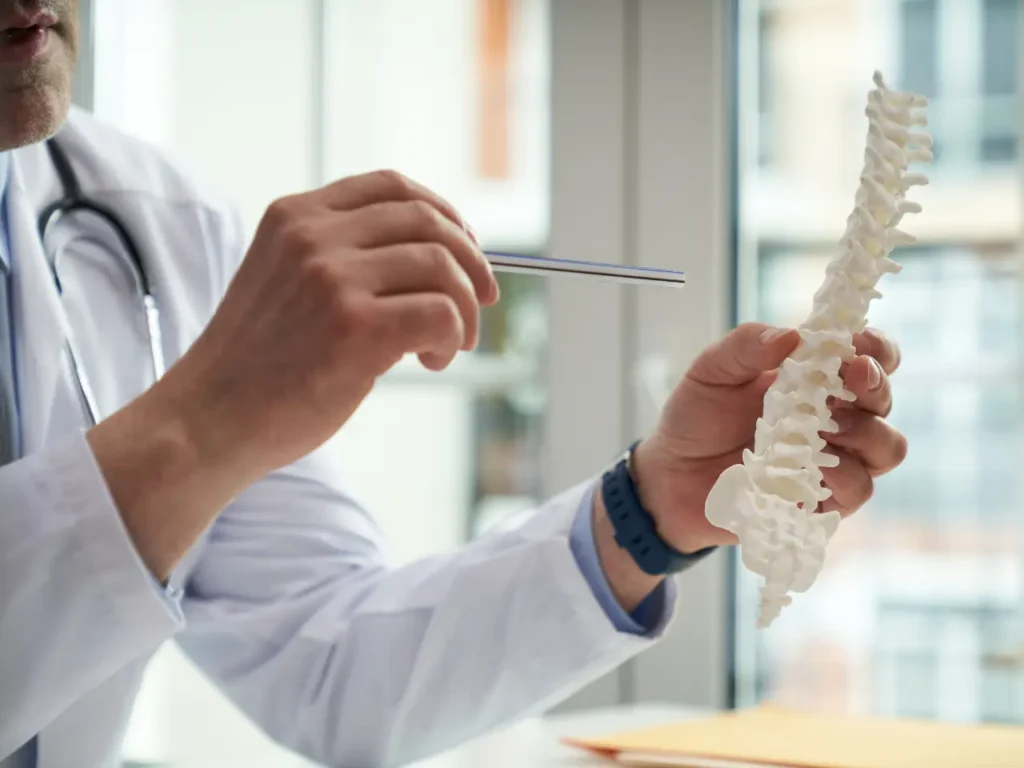
Understanding the Unique Challenges of Women’s Spinal Health: Insights by Dr. Vignesh Pushparaj Introduction: As a leading spine surgeon in Chennai, Dr. Vignesh Pushparaj has been at the forefront of addressing the intricate aspects of spinal health. One area that deserves special attention is the unique challenges faced by women in maintaining optimal spinal well-being. In this discussion, we delve into the nuances of women’s spinal health and explore the specialized care provided by Dr. Vignesh Pushparaj, renowned for his expertise in chronic lower back pain treatment in Chennai. The Female Spine: A Distinctive Anatomy Women’s spinal health is characterized by anatomical and physiological differences compared to men. Understanding these distinctions is crucial for tailoring effective treatments. Anatomical Considerations: Vertebral Structure: The curvature and size of female vertebrae often differ, impacting spinal alignment. Pelvic Structure: Women’s wider pelvic structure places unique stress on the lumbar region, contributing to specific challenges. Physiological Factors: Hormonal Influence: Fluctuations in estrogen levels throughout a woman’s life can affect ligament laxity and joint stability. Pregnancy and Childbirth: The spine undergoes significant changes during pregnancy, and the birthing process can contribute to long-term spinal issues. Chronic Lower Back Pain in Women: A Common Concern Dr. Vignesh Pushparaj is recognized as a leading chronic lower back pain doctor in Chennai, offering comprehensive solutions for women facing persistent discomfort. Contributing Factors: Hormonal Fluctuations: Menstrual cycles, pregnancy, and menopause can influence the severity of lower back pain. Osteoporosis: More prevalent in women, this condition weakens bones, increasing the risk of spinal fractures. Treatment Approaches: Personalized Pain Management: Vignesh Pushparaj emphasizes personalized approaches, considering the individual’s medical history and lifestyle. Innovative Therapies: From minimally invasive procedures to advanced pain management techniques, the clinic offers state-of-the-art solutions. Best Back Pain Treatment Clinic in Chennai: Dr. Vignesh Pushparaj’s Expertise When seeking the best back pain treatment clinic in Chennai, patients turn to Dr. Vignesh Pushparaj for his specialized knowledge and commitment to women’s spinal health. Comprehensive Diagnostic Services: Advanced Imaging: Utilizing cutting-edge imaging technologies for accurate diagnosis. Thorough Consultations: Dr. Pushparaj conducts detailed consultations to understand each patient’s unique concerns. Holistic Treatment Approach: Multidisciplinary Team: Collaborating with experts in physiotherapy, pain management, and nutrition to provide holistic care. Patient Education: Empowering women with knowledge about preventive measures and lifestyle modifications. Conclusion: Elevating Women’s Spinal Health with Expert Care In the realm of women’s spinal health, Dr. Vignesh Pushparaj stands as a beacon of expertise, offering unparalleled care as the best spine surgeon in Chennai. Through a combination of understanding the distinctive challenges and employing advanced treatments. Dr. Vignesh Pushparaj ensures that women receive comprehensive and compassionate care for their spinal well-being.
What is the Impact of Pregnancy on Spinal Health?

The Impact of Pregnancy on Spinal Health: Tips for a Pain-Free Journey Introduction: Welcoming the joy of pregnancy also brings about changes in a woman’s body, including the spine. Dr. Vignesh Pushparaj, renowned as the best back pain specialist in Chennai, sheds light on the impact of pregnancy on spinal health and offers valuable tips for a pain-free journey. Back Pain in Pregnancy Back pain is a common concern for many expectant mothers, and understanding its origins is essential for effective management. Dr. Vignesh Pushparaj, a leading back pain specialist in Chennai, sheds light on the factors contributing to back pain during pregnancy and offers valuable insights for relief. 1. Weight Gain: The natural weight gain during pregnancy can strain the spine and exacerbate existing back issues.2. Ligament Stretching: Hormonal changes lead to ligament laxity, affecting the stability of the spine and contributing to discomfort.3. Muscle Strain: The additional load on the spine can lead to muscle fatigue and tension, causing pain in the lower back. Understanding the Impact of Pregnancy on Spinal Health: 1. Changes in Posture: 1. During pregnancy, the body undergoes hormonal and structural changes, affecting posture.2. Dr. Vignesh Pushparaj, a trusted back pain management expert in Chennai, highlights the importance of understanding these changes. 2. Increased Strain on the Spine: • As the baby grows, the spine experiences increased pressure, leading to potential discomfort and pain.• Tips for managing spinal strain during pregnancy will be discussed. How does pregnancy affect the spine? During pregnancy, a woman’s body undergoes a myriad of changes to support the growing life within. These changes, influenced by hormonal fluctuations and the physical demands of pregnancy, can significantly impact the spine. Understanding the effects on the spine is crucial for expectant mothers to navigate this transformative journey with optimal spinal health. 1. Hormonal Changes: Pregnancy hormones, such as relaxin, contribute to ligament and joint flexibility, potentially altering the spine’s stability. 2. Weight Distribution: As the baby grows, the body’s center of gravity shifts, placing increased stress on the spine and its supporting structures. 3. Postural Adjustments: The body adapts its posture to accommodate the growing uterus, leading to changes in spinal curvature and alignment. Tips for Maintaining Spinal Health During Pregnancy: 1. Regular Exercise: • Gentle exercises and stretches recommended by Dr. Vignesh Pushparaj can help strengthen the back muscles. • Prenatal yoga and swimming are excellent choices for promoting spinal health. 2. Proper Posture Practices: • Dr. Vignesh Pushparaj emphasizes the importance of maintaining good posture during daily activities. • Ergonomic considerations and posture-correcting exercises will be explored. 3. Supportive Sleep Positions: • Choosing the right sleeping position is crucial for spinal health during pregnancy.• Dr. Vignesh Pushparaj, the best back pain specialist in Chennai, provides guidance on optimal sleeping positions. 4. Nutrition for Spinal Health: 1. A balanced diet rich in essential nutrients supports overall health, including spinal health during pregnancy.2. Dr. Vignesh Pushparaj dietary recommendations for pregnant women will be highlighted. Can pregnancy weaken your back? While pregnancy itself doesn’t inherently weaken the back, the physical changes and demands on the body can make it more susceptible to issues. Dr. Vignesh Pushparaj, recognized as the best spine surgeon in Chennai, provides insights into how pregnancy influences the strength and resilience of the back. 1. Weakened Core Muscles: The stretching of abdominal muscles to accommodate the growing uterus can weaken the core, impacting back support. 2. Poor Posture: Changes in posture during pregnancy, especially due to a protruding abdomen, can strain the back and lead to weakness. 3. Pre-existing Conditions: Pregnancy can exacerbate pre-existing back conditions, emphasizing the need for proactive management. Understanding the nuanced ways in which pregnancy affects the spine allows expectant mothers to take proactive steps toward maintaining spinal health. Dr. Vignesh Pushparaj expertise in back pain management in Chennai provides a valuable resource for those seeking guidance on navigating the challenges associated with back pain during pregnancy. Conclusion: Embracing the journey of pregnancy comes with its challenges, and maintaining spinal health is crucial for a comfortable experience. Dr. Vignesh Pushparaj, the best back pain surgeon in Chennai, provides comprehensive guidance and personalized care to ensure a pain-free and joyous pregnancy. For those seeking support, a visit to a back pain management clinic in Chennai can make a significant difference in the overall well-being of expectant mothers.
Can Stress Cause Lower Back Pain in Women?
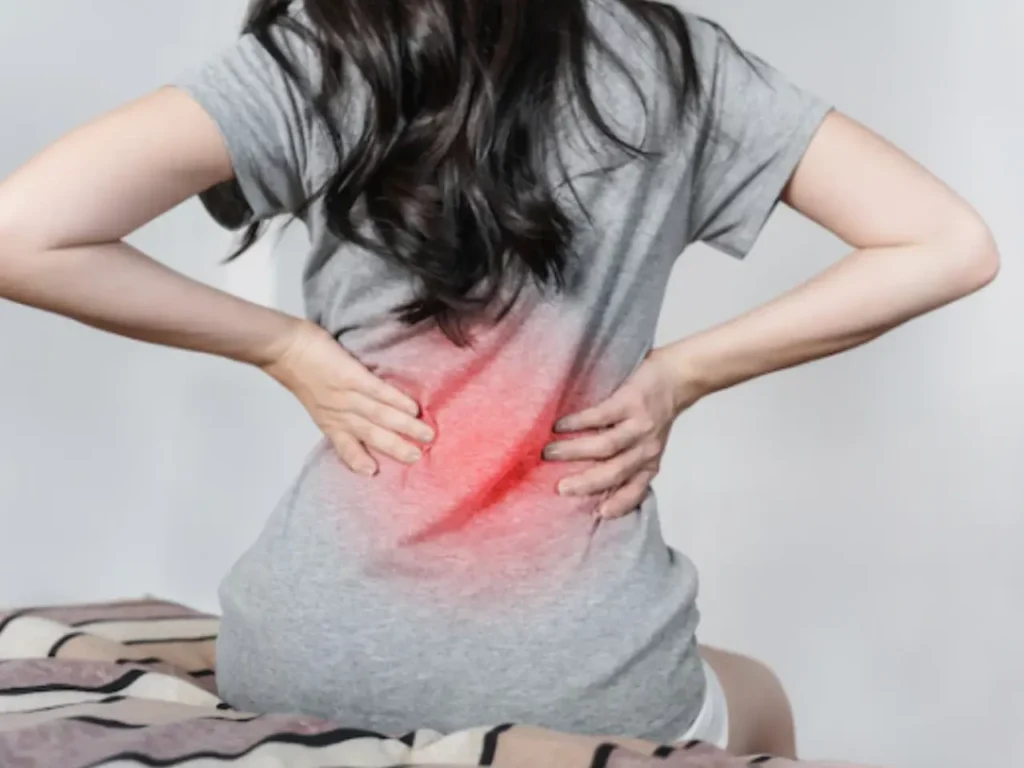
Understanding the Link Between Stress and Back Pain in Women By Dr. Vignesh Pushparaj – Leading Specialist in Back and Neck Pain Treatment in Chennai Introduction: In the realm of modern living, where stress has become an almost inescapable part of our daily existence, its impact on health is undeniable. One particularly noteworthy and intricate connection that has been garnering increasing attention is the relationship between stress and back pain in women. In this comprehensive exploration, we turn to the expertise of Dr. Vignesh Pushparaj, a distinguished specialist in back and neck pain treatment in Chennai, to unravel the nuanced dynamics of this complex interplay and gain insights into effectively managing stress-related back pain in females. Can Stress Cause Back Pain? Research has consistently shown that stress can manifest physically, leading to a range of health issues, with back pain being a common complaint among women. The physiological response to stress involves muscle tension and increased cortisol levels, which can contribute to discomfort and pain in the back and neck areas. Chronic stress may exacerbate pre-existing conditions or even trigger new ones, making it imperative to address stress as a potential factor in back pain. The Dynamics of Stress and Back Pain Physiological Impact of Stress on the Body Stress triggers the release of hormones such as cortisol, which can contribute to inflammation and muscle tension. Chronic stress may lead to long-term changes in the nervous system, influencing pain perception. 2-Psychosocial Factors Women often face unique stressors related to societal expectations, work-life balance, and family responsibilities. The psychological toll of stress can manifest physically, contributing to the development or exacerbation of back pain. Stress-Related Back Pain: Unveiling the Mechanisms When exploring the connection between stress and back pain in women, it’s crucial to understand the mechanisms at play. Stress-induced muscle tension can result in spasms and discomfort, particularly in the lower back. Additionally, stress may contribute to poor posture and unhealthy habits, further amplifying the risk of developing back pain. What Causes Back Pain in Females Stress? Several factors contribute to stress-related back pain in women. Hormonal fluctuations, societal pressures, and the unique challenges that women face in various roles can all contribute to heightened stress levels. Dr. Vignesh Pushparaj emphasizes the importance of recognizing and addressing these underlying causes to effectively manage and prevent stress-related back pain. How Do You Relieve Back Pain from Stress? As a leading expert in back and neck pain treatment in chennai, Dr. Vignesh Pushparaj advocates for a comprehensive approach to relieving back pain caused by stress. Lifestyle modifications, stress management techniques, and targeted exercises can play a pivotal role. Engaging in activities such as yoga, meditation, and regular physical exercise can alleviate stress and promote overall well-being, contributing to a reduction in stress-related back pain. Dr. Vignesh Pushparaj Approach to Back and Neck Pain Treatment in Chennai Holistic Care Vignesh Pushparaj advocates for a holistic approach that considers both physical and mental well-being. Tailored treatment plans address the root causes, encompassing lifestyle modifications, physical therapy, and stress management techniques. Innovative Treatment Modalities As the best back pain specialist in Chennai, Dr. Vignesh Pushparaj incorporates cutting-edge therapies to enhance treatment outcomes. Advanced interventions, such as minimally invasive procedures and regenerative medicine, offer targeted relief. Patient Education and Empowerment Empowering patients with knowledge about the stress-back pain connection is a crucial aspect of Dr. Vignesh Pushparaj practice. Understanding triggers and adopting stress-reducing strategies can contribute significantly to overall well-being. When seeking relief from stress-related back pain, it’s essential to consult with the best back pain specialist in Chennai. Dr. Vignesh Pushparaj expertise in the field, coupled with a patient-centric approach, makes him a trusted resource for individuals seeking effective solutions to address and manage back pain associated with stress. Key Takeaways The interplay between stress and back pain in women involves both physiological and psychosocial factors. Vignesh Pushparaj approach to back and neck pain treatment doctor in Chennai emphasizes a holistic and patient-centric model. The integration of innovative treatment modalities and patient education distinguishes Dr. Vignesh Pushparaj as the best back pain specialist in Chennai. Conclusion: The connection between stress and back pain in women is a multifaceted interplay that demands attention and understanding. Dr. Vignesh Pushparaj, with his extensive knowledge in back and neck pain treatment, provides valuable insights into recognizing, addressing, and managing stress-related back pain in females. By adopting a holistic approach that combines stress management techniques and targeted interventions, individuals can take significant strides towards a healthier, pain-free life.
What are the Most Painful Back Surgeries?
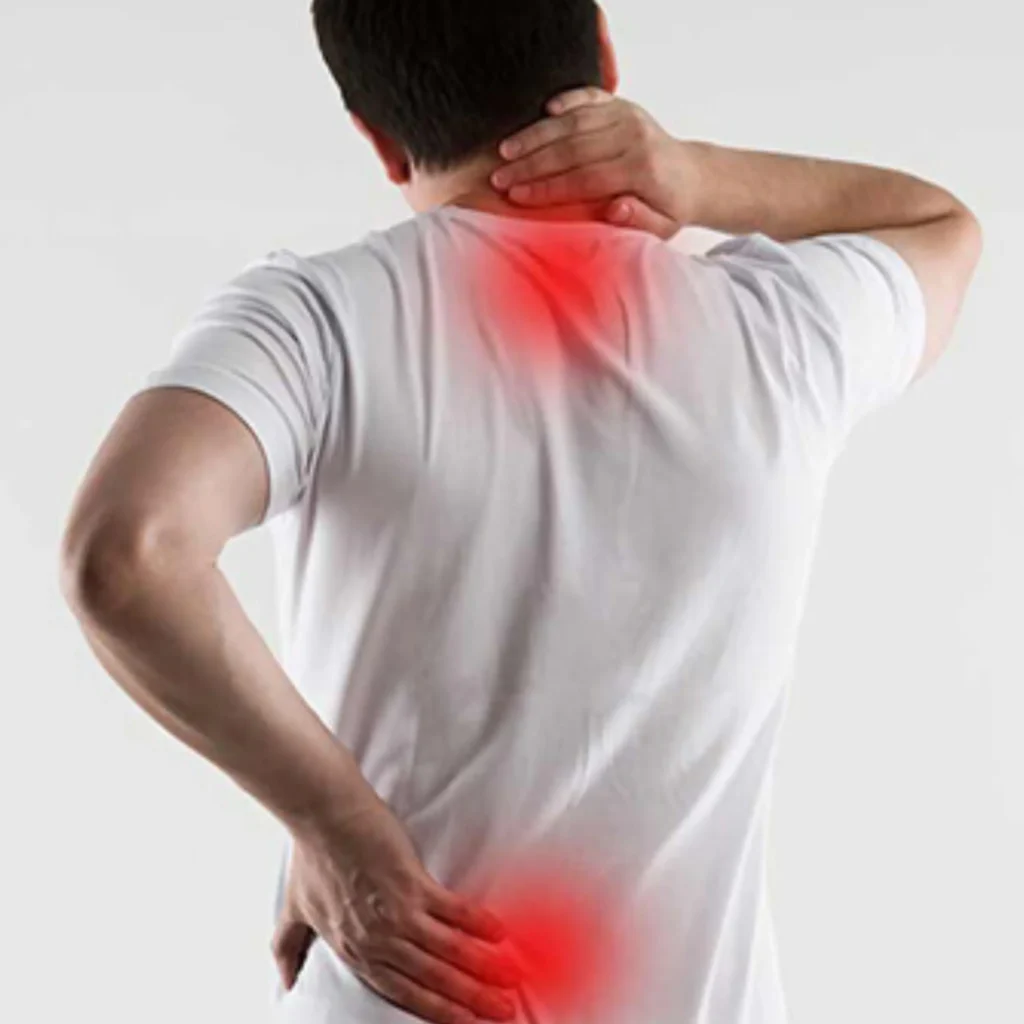
Back surgery is a significant medical procedure that can provide relief for individuals suffering from chronic back and neck pain. However, it is not without its challenges, and understanding the potential pain associated with different back surgeries is essential. In this blog post, we’ll delve into various types of back surgeries and identify the one often considered the most painful. We will also explore the factors that contribute to the pain and offer insights on how to heal your back and relieve pain after surgery. Dr. Vignesh Pushparaj, a back pain treatment specialist in Chennai, emphasizes the importance of informed decision-making and post-operative care in achieving successful outcomes. Common Back Surgeries: Back and neck pain treatment in Chennai often involves various surgical options, each with its own set of advantages and challenges. The following are some common back surgeries: Discectomy: This surgery involves the removal of a damaged or herniated disc. It can be an effective way to alleviate pain and discomfort in the lower back. Spinal Fusion: Spinal fusion aims to stabilize the spine by fusing two or more vertebrae together. It is commonly used to treat conditions like degenerative disc disease and scoliosis. Laminectomy: Laminectomy is the removal of the lamina, the bone at the back of the vertebra. It is often performed to relieve pressure on the spinal cord and nerves, treating conditions like spinal stenosis. Foraminotomy: This surgery widens the foramen, the passageway for spinal nerves to exit the spinal column. It is commonly used to treat nerve compression caused by conditions like foraminal stenosis. Microdiscectomy: A minimally invasive procedure for herniated discs, microdiscectomy typically involves a smaller incision and shorter recovery time. Factors Influencing Pain in Back Surgery: The pain experienced during and after back surgery can vary significantly and is influenced by several factors, including: Severity of the Underlying Condition: The level of pain experienced before surgery often correlates with the post-operative pain. Surgical Approach and Techniques: Minimally invasive procedures may lead to less post-operative pain than traditional open surgeries. Individual Pain Tolerance: People have different pain thresholds, which can affect their perception of pain. Post-Operative Care: Proper rehabilitation and adherence to post-operative instructions are crucial in minimizing pain and complications. The Most Painful Back Surgery: Determining the most painful back surgery is a complex task, as pain is subjective. However, some surgeries are often associated with higher levels of post-operative pain. It is essential to understand that individual experiences may vary. Dr. Vignesh Pushparaj, a back pain treatment surgeon in Chennai, recommends seeking expert guidance when making treatment decisions. Coping with Pain After Back Surgery: If you are concerned about how painful back surgery can be, rest assured that there are effective ways to manage and alleviate pain. Some strategies include: Medications: Prescribed pain relievers can help manage post-operative pain. Physical Therapy: Customized exercises and stretches can aid in rehabilitation. Alternative Therapies: Approaches like acupuncture and chiropractic care can complement traditional treatments. Emotional Support: Mental health is essential during the recovery process. Seek support from professionals or support groups. Complications and Risks: Every surgical procedure carries potential complications, and back surgery is no exception. Complications can include infection, nerve damage, or poor wound healing. Choosing a skilled surgeon like Dr. Vignesh Pushparaj for back and neck pain treatment in Chennai can reduce these risks significantly. Alternative Approaches to Back Pain: Before considering surgery, explore non-surgical treatments for back pain. These may include: Physical Therapy and Exercise: Strengthening your back muscles can provide relief and prevent future issues. Lifestyle Modifications: Simple changes like improving posture and ergonomics can reduce back pain. Minimally Invasive Procedures: Some conditions can be treated with less invasive techniques, reducing the need for surgery. Conclusion: In the journey to alleviate back and neck pain, it’s crucial to be well-informed, choose the right specialist, and prioritize post-operative care. The level of pain experienced in back surgery varies, but with proper management and support, you can heal your back effectively. Remember, consulting a back pain treatment specialist like Dr. Vignesh Pushparaj in Chennai is the first step towards a pain-free future.
Is Spine Surgery Risky?
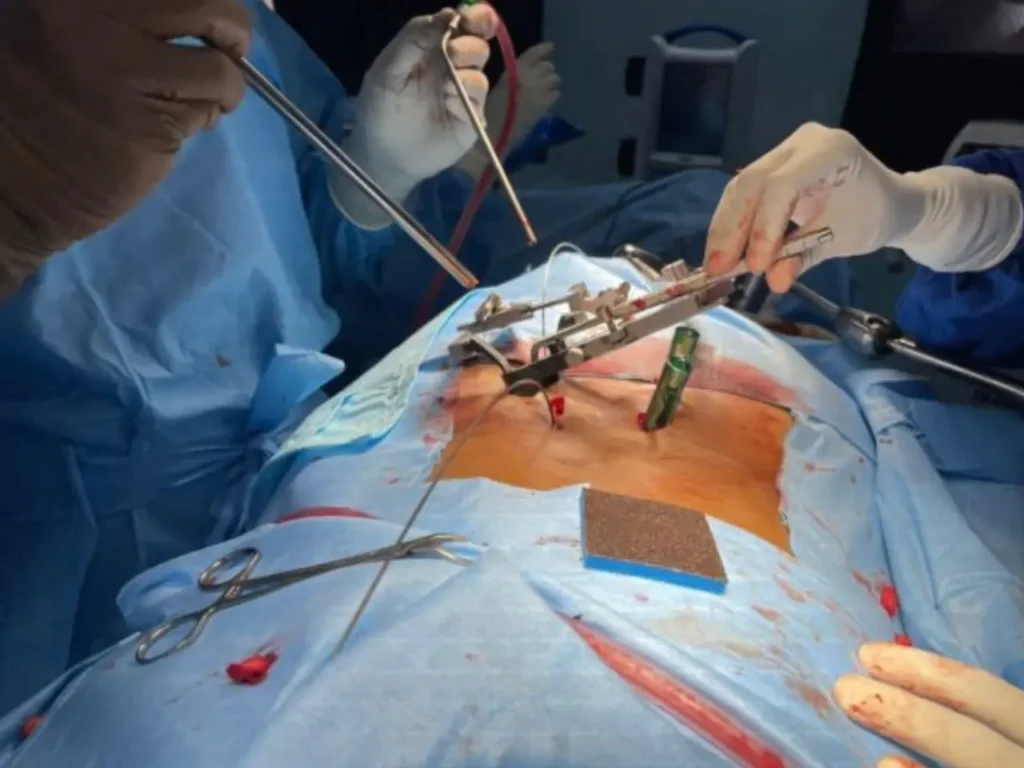
Introduction: Spine surgery is a medical procedure that, for many, elicits both hope and fear. Hope for relief from debilitating pain and fear of the potential risks and complications associated with such a delicate operation. When it comes to our health, few decisions are as significant as opting for spine surgery. Dr. Vignesh Pushparaj, renowned as the best spine surgeon in Chennai, knows that this decision carries both hope and apprehension. The spine is a delicate structure, and any surgical intervention involves risks and complications. In this blog post, we will delve into the world of spine surgery, exploring the potential complications, and providing insights to help you make an informed decision. Understanding Spine Surgery Spine surgery encompasses a wide range of procedures designed to address issues related to the spine. Whether it’s herniated discs, spinal stenosis, or deformities, these surgeries are aimed at alleviating pain and improving the quality of life. Spine surgery in Chennai, led by experts like Dr. Vignesh Pushparaj, offers advanced treatment options, but it’s essential to acknowledge the inherent risks. Risks and Complications of Spine Surgery 1-Infection: One of the most concerning complications of spine surgery is infection. The surgical site can become a breeding ground for bacteria, leading to post-operative infections. Dr. Vignesh Pushparaj and his team take meticulous care to minimize this risk through strict hygiene protocols. 2-Nerve Damage: The spine is a complex structure with numerous delicate nerves. During surgery, there is a possibility of nerve damage, which can result in pain, weakness, or sensory issues. The best spine surgeon in Hyderabad is well-equipped to minimize these risks. 3-Blood Clots: Blood clots are another potential concern. These can form in the veins of the legs and travel to the lungs, causing pulmonary embolism. Thromboprophylaxis measures are often employed to mitigate this risk. 4-Anesthesia Risks: Administering anesthesia is a crucial part of spine surgery. While complications related to anesthesia are rare, they are possible. Skilled anesthetists work alongside top surgeons like Dr. Vignesh Pushparaj to ensure patient safety. 5-Failed Surgery: Despite the best efforts, not all spine surgeries yield the desired results. There is a risk that the surgery may not alleviate the pain or issue, leaving the patient in a frustrating situation. Benefits of Spine Surgery It’s important to recognize that spine surgery, when successful, can offer numerous benefits. These include: Pain Relief: Many patients experience a significant reduction in pain after successful spine surgery, which can greatly improve their quality of life. Improved Mobility: Spine surgery can restore lost mobility and functionality, allowing individuals to return to a more active lifestyle. Minimally Invasive vs. Open Surgery In recent years, minimally invasive spine surgery has gained popularity. These techniques offer several advantages, including reduced recovery time and smaller incisions. While the risk of complications remains, it is generally lower compared to traditional open surgery. Dr. Vignesh Pushparaj often employs minimally invasive techniques to minimize spinal surgery risks for his patients. Preparing for Spine Surgery Preparation is key to reducing complications and ensuring a successful outcome. Patients should: Carefully select the best spine surgeon in Chennai, like Dr. Vignesh Pushparaj, who possesses the necessary skills and experience. Undergo a thorough pre-operative assessment to evaluate their overall health and readiness for surgery. Fully understand the potential complications and benefits of the surgery, providing informed consent. Recovery and Aftercare The recovery period after spine surgery is critical. It involves hospital stay, physical therapy, and pain management. Long-term care and lifestyle adjustments are often necessary to ensure the best possible outcome and reduce the risk of complications. Patient Stories Real-life patient experiences can provide valuable insights. Some patients achieve remarkable results with spine surgery, while others may face challenges. Dr. Vignesh Pushparaj’s patient stories offer a glimpse into the real-world outcomes of spinal surgery in Chennai. Reducing Risks To reduce the risks associated with spine surgery, it’s essential to follow pre-surgery preparations, post-operative guidelines, and recommendations from your healthcare team. Choosing a qualified surgeon like Dr. Vignesh Pushparaj is a significant step in minimizing complications. Conclusion: In conclusion, spine surgery does carry certain risks and complications. However, with the guidance of the best spine surgeon in Chennai, Dr. Vignesh Pushparaj, these risks can be minimized. The decision to undergo spine surgery is a complex one, and patients must be well-informed. It’s essential to weigh the potential benefits against the complications and make a decision that aligns with your health goals. Additional Resources For further information on spinal surgery complications, risks, and the services provided by Dr. Vignesh Pushparaj, please visit our website (https://chennaispinecare.com/) and contact our spine surgery clinic in Chennai. We are here to address your concerns and provide the support you need to make the right decision regarding spine surgery in Chennai.